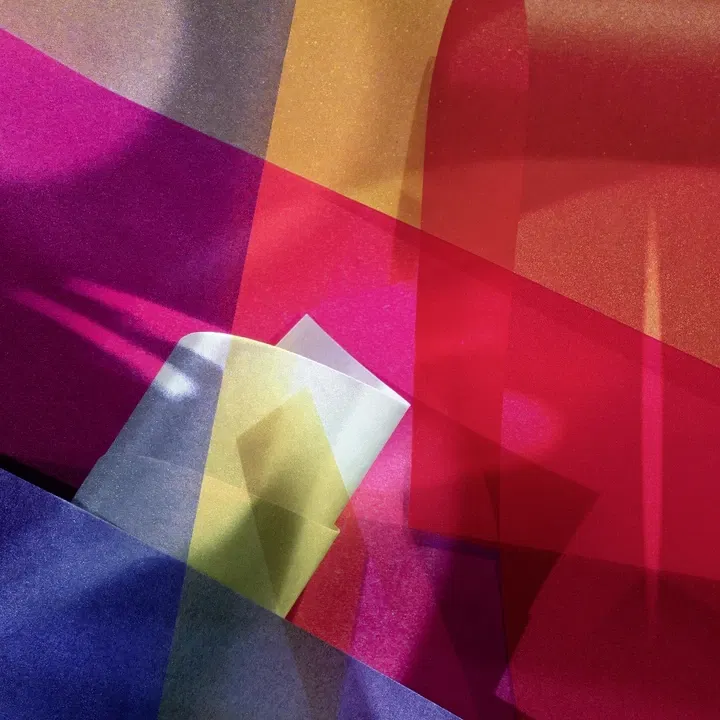
Lyonel-01
from € 549
3 sizes available
Unfortunately, this artwork cannot be added to the room view.


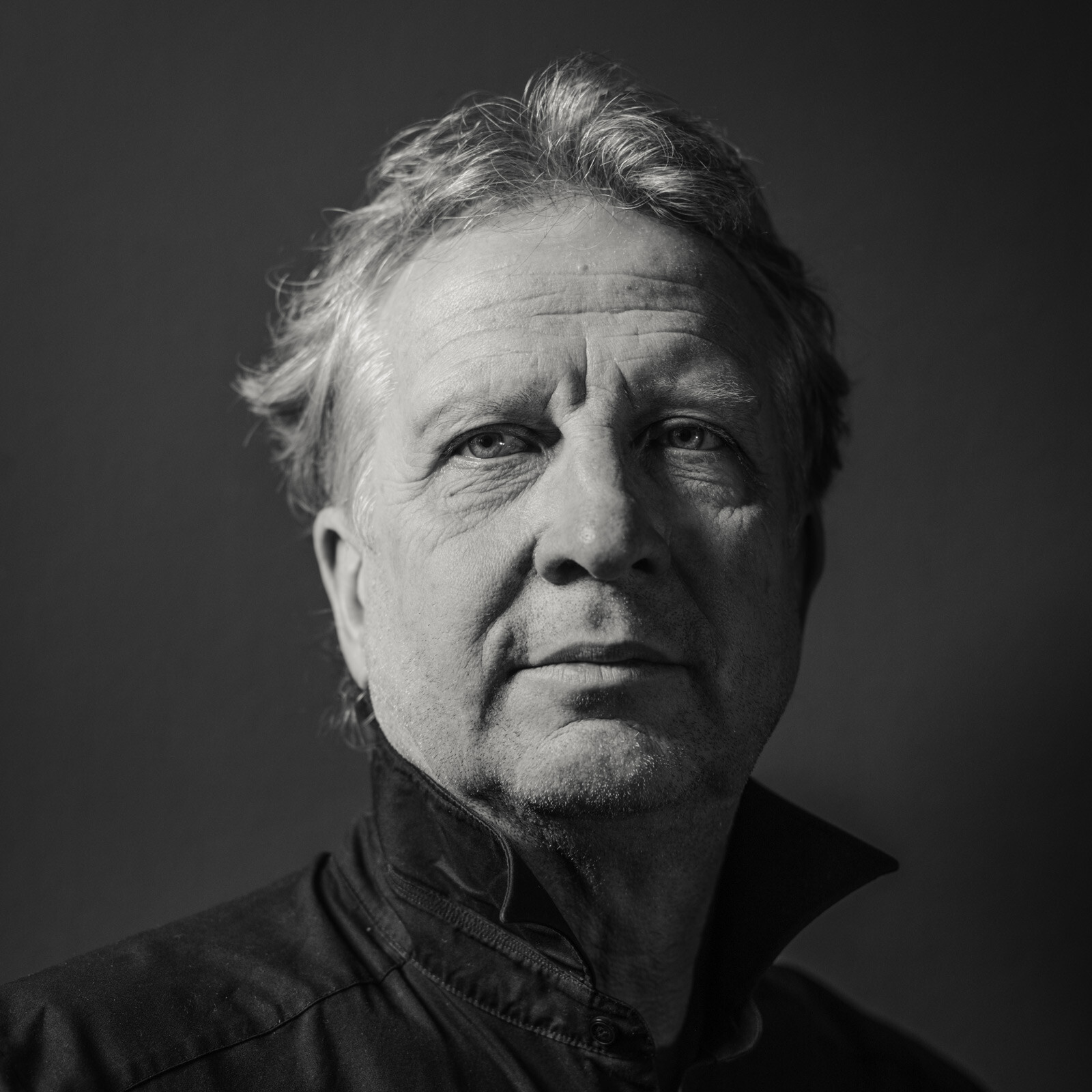
In his latest body of work, Heiko Hellwig explores the captivating world of reptiles, focusing on the symbolically potent figure of the serpent. In antiquity, the serpent was endowed with divine… Read more
Bio Exhibitions Interview
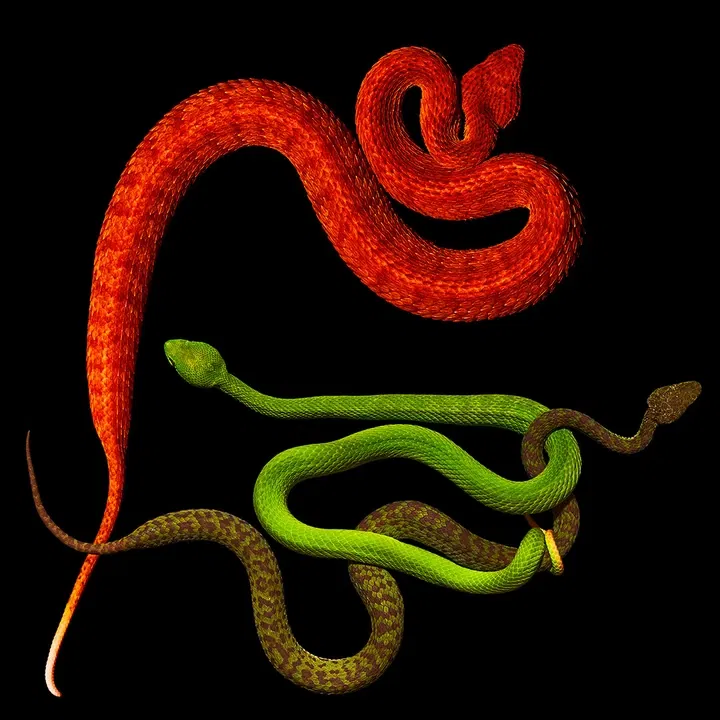
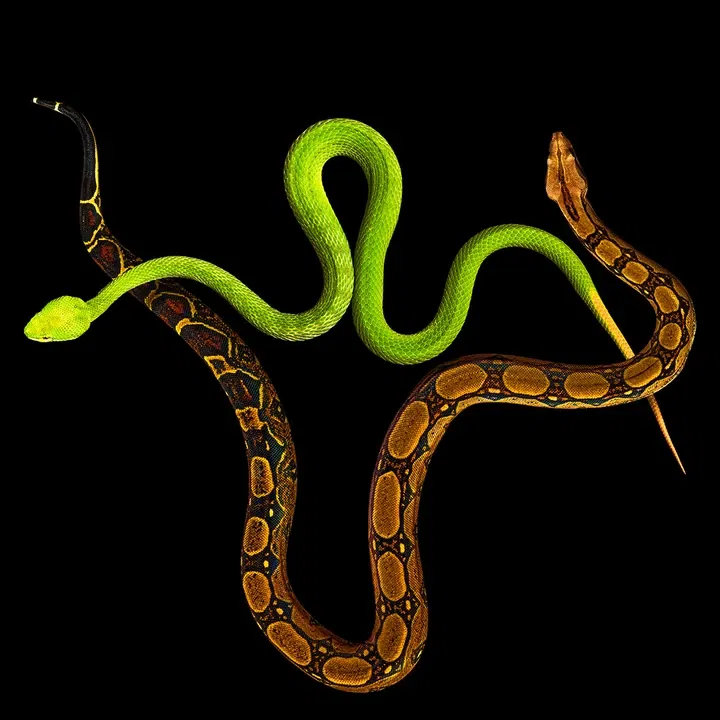
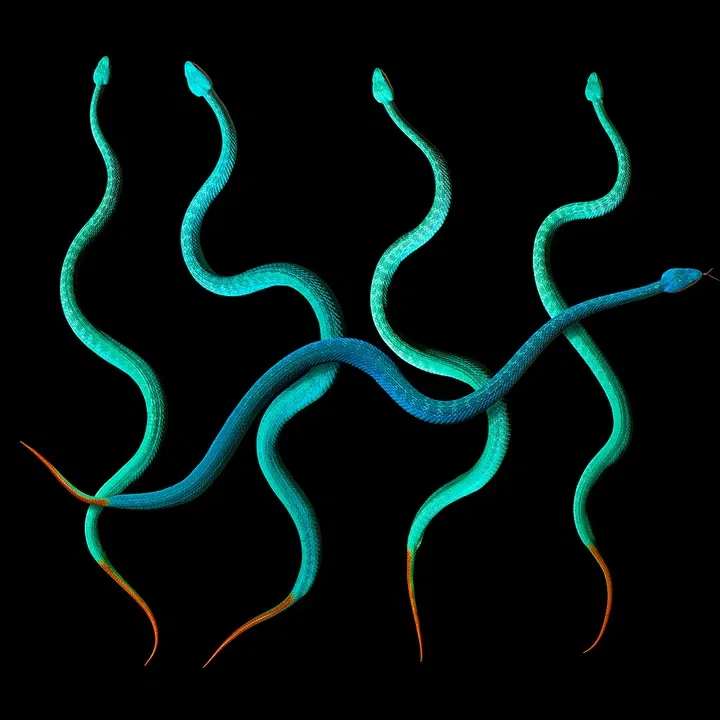
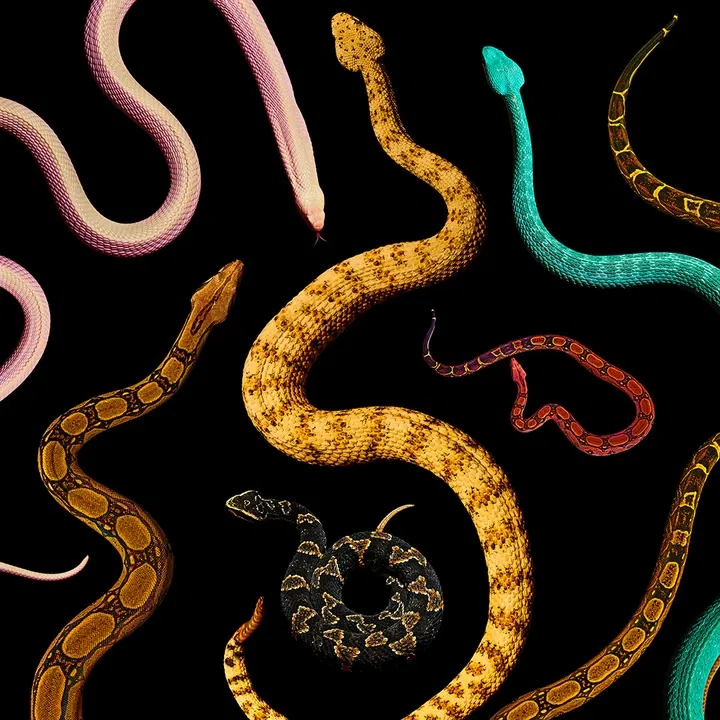
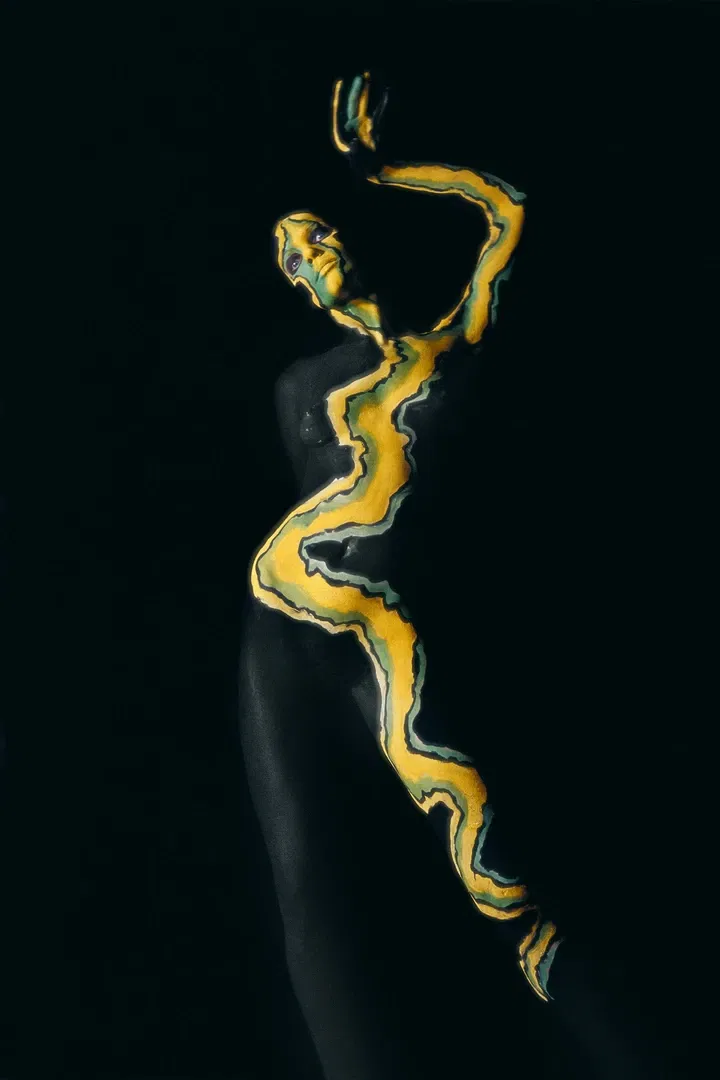
In his latest body of work, Heiko Hellwig explores the captivating world of reptiles, focusing on the symbolically potent figure of the serpent. In antiquity, the serpent was endowed with divine power; through Christian iconography, it became a symbol of cunning and temptation; in psychology, it embodies untamed strength. Hellwig captures this fascinating duality, translating it into a visually compelling allure. Against a minimalist black background, he avoids literal depictions of the symbolic creature, instead inviting viewers into an evocative space of interpretation—hovering between menace and seduction. By reducing the form, color, and movement of the serpents, Hellwig enables the viewer to fully engage with their aesthetic and ambiguous presence. In Serpent IV, the complementary contrast of red and green creates a delicate tension, while in Serpent XIV, the serpents’ dynamic movement—seemingly extending beyond the frame—is powerfully emphasized. This series carries Hellwig’s unmistakable artistic signature: he doesn’t merely document, he composes – in a complex but playful manner.
Lirios
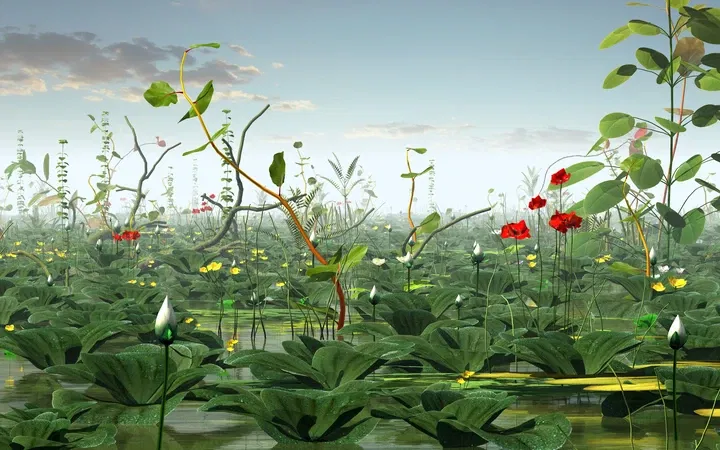
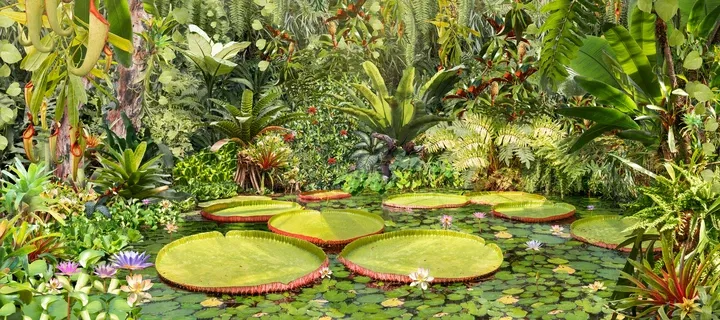
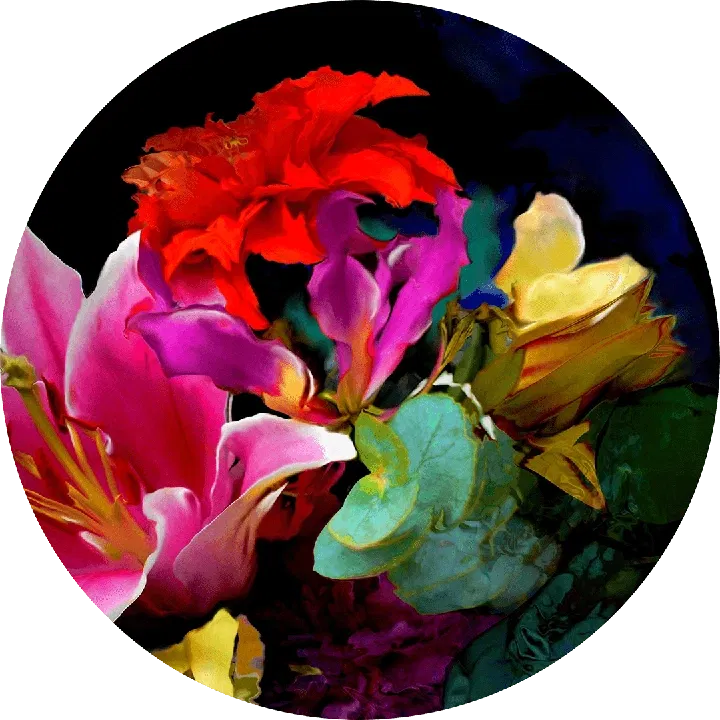
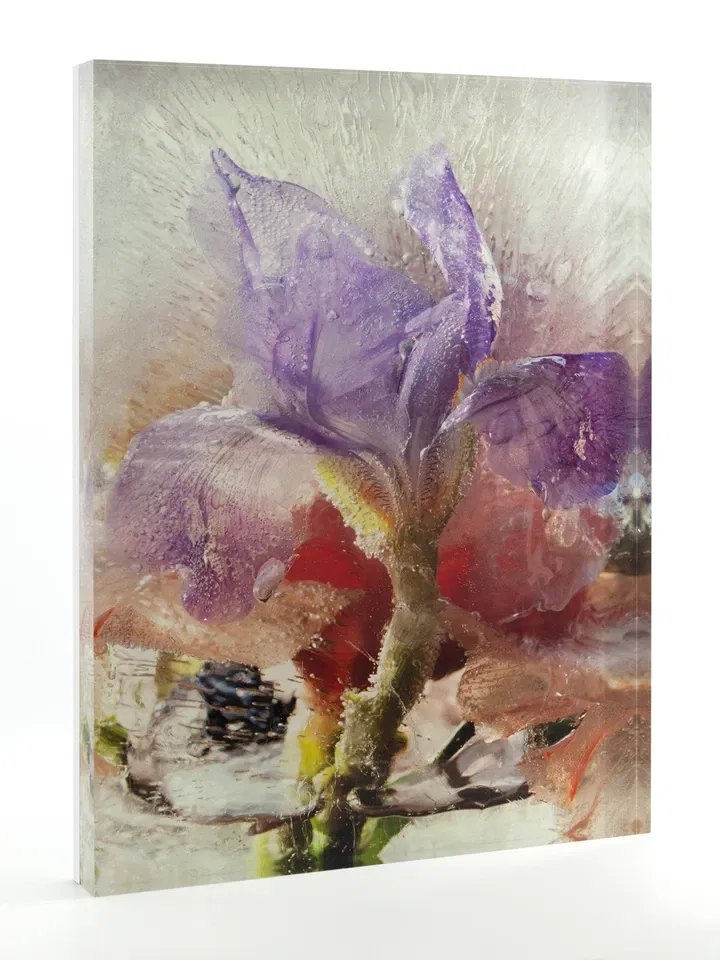
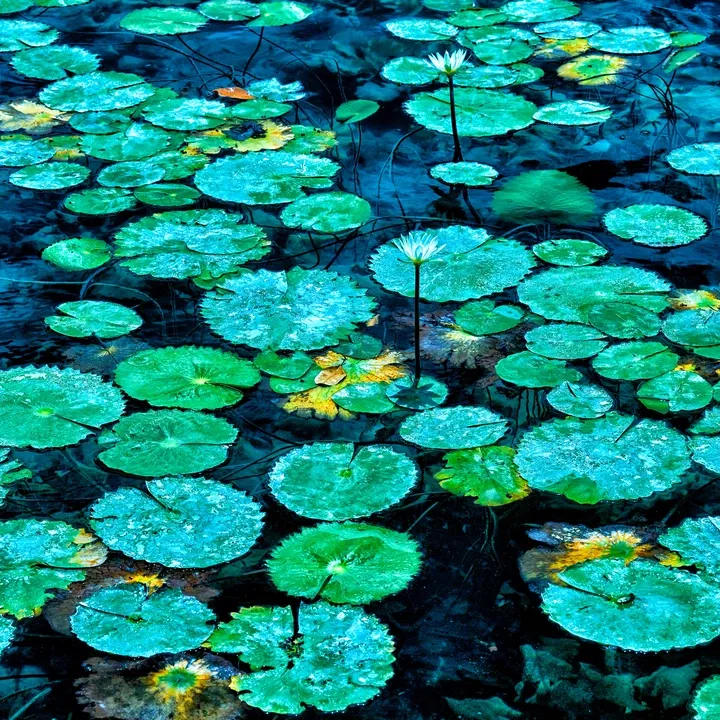
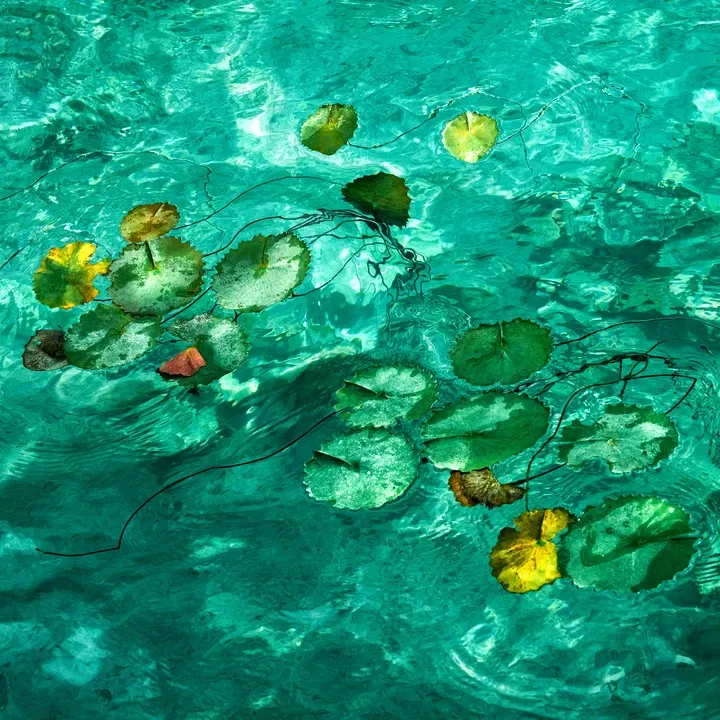
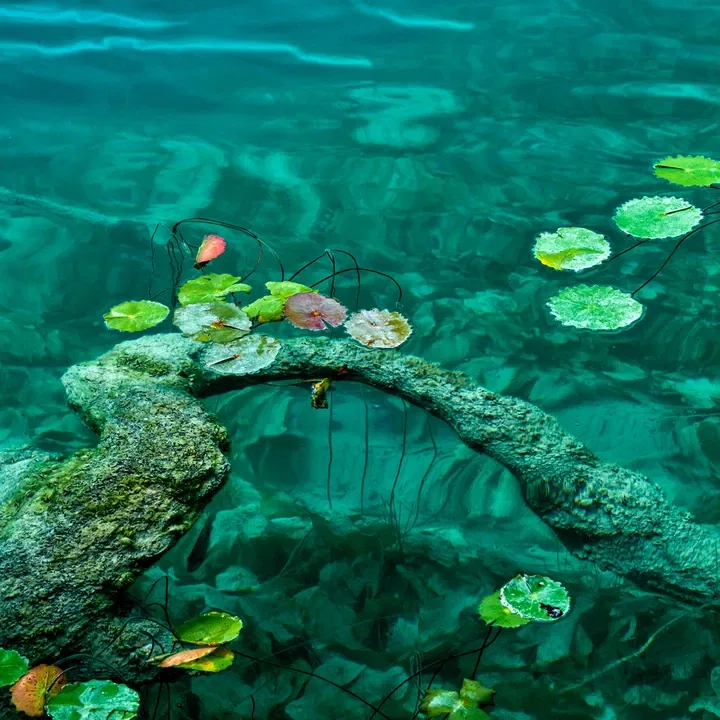
Among the most famous plants in art history lies water lilies. These flowering beauties gained increasing popularity through the work of Claude Monet – an exceptional French artist and founder of impressionist painting. Today, photographer Heiko Hellwig revisits the subject using new methods – adding a unique touch while paying tribute to Monet’s well-known works. Painterly quality and carefully executed photography characterize the Lirios series of works. Hellwig approached the subject matter with great attention to detail in order to achieve a breathtaking combination of reality and sentimentality. The photographs were taken in Mexico, where the artist was inspired by the immense botanical biodiversity.
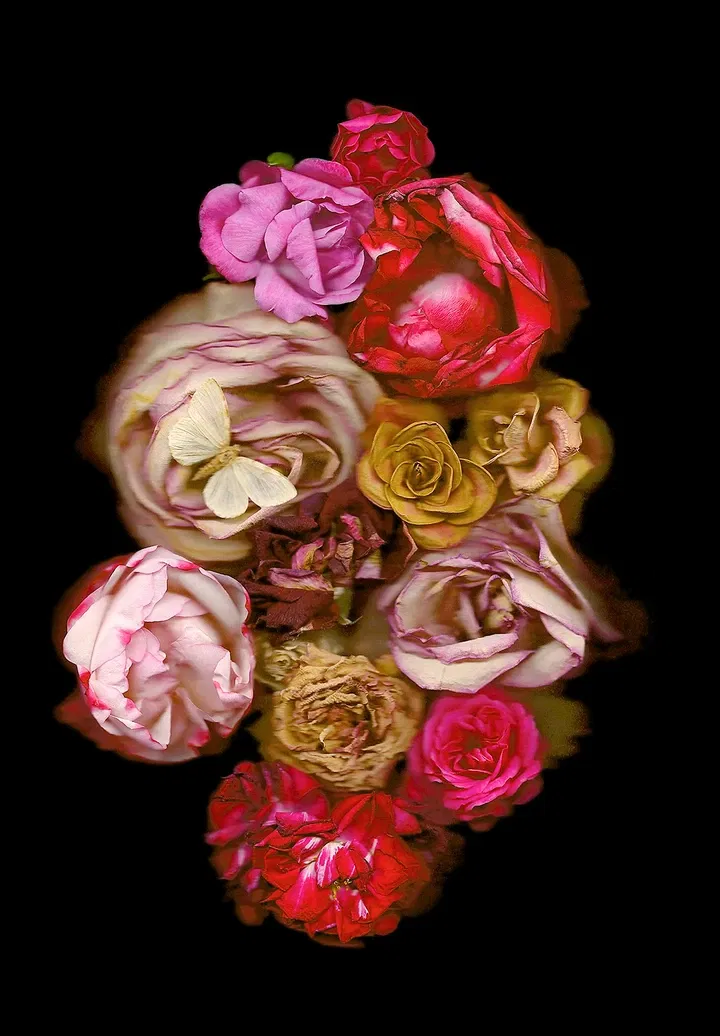
Exuberance
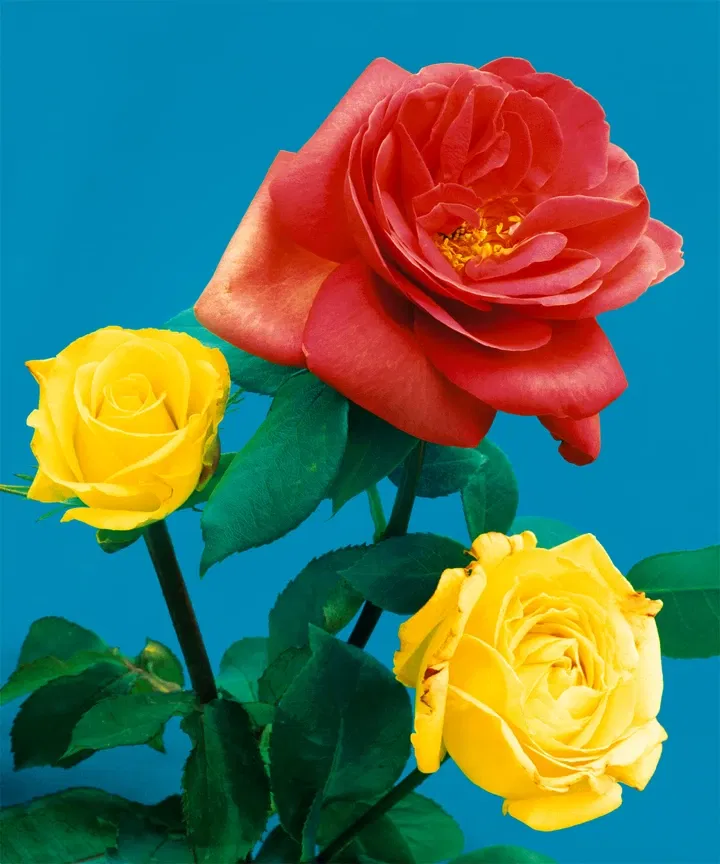
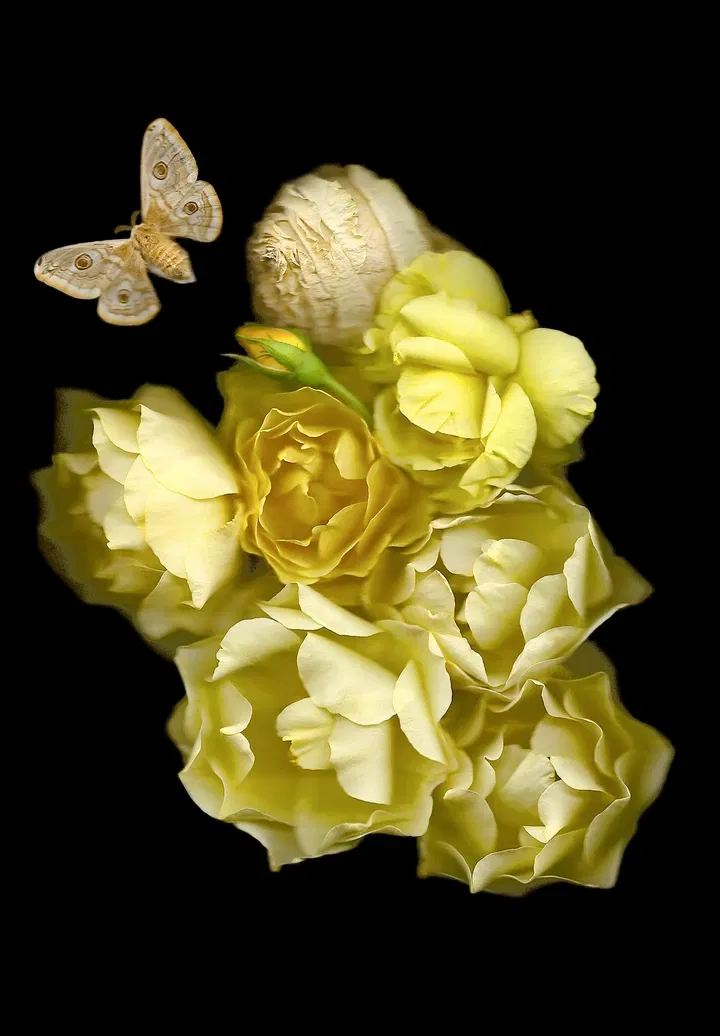
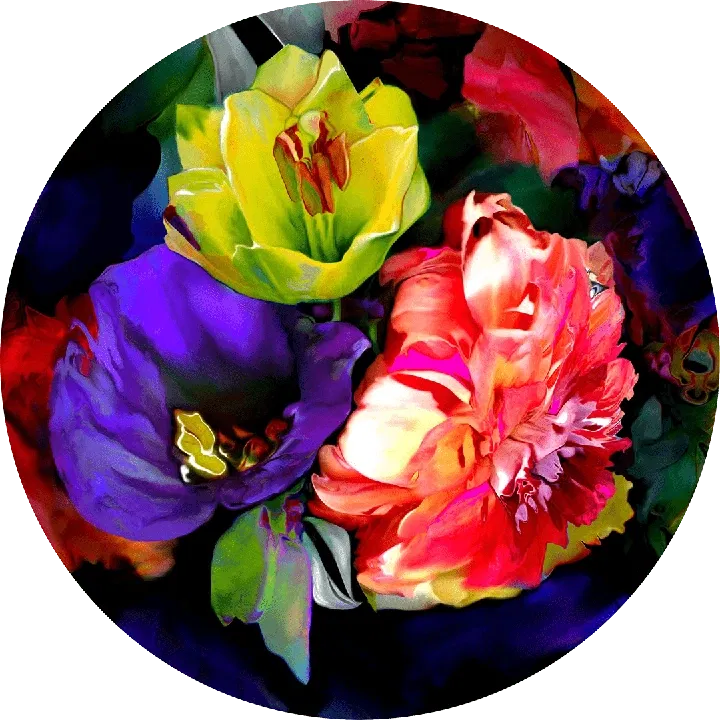
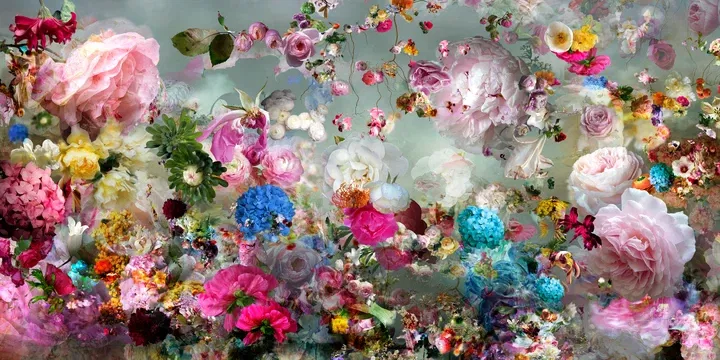
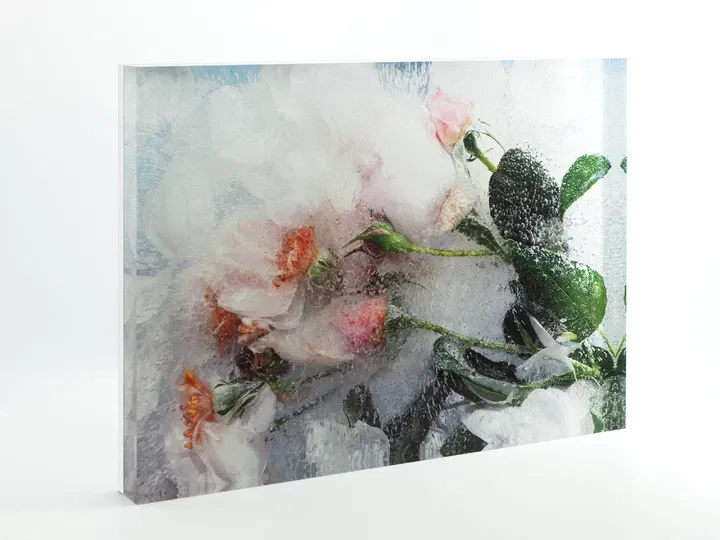
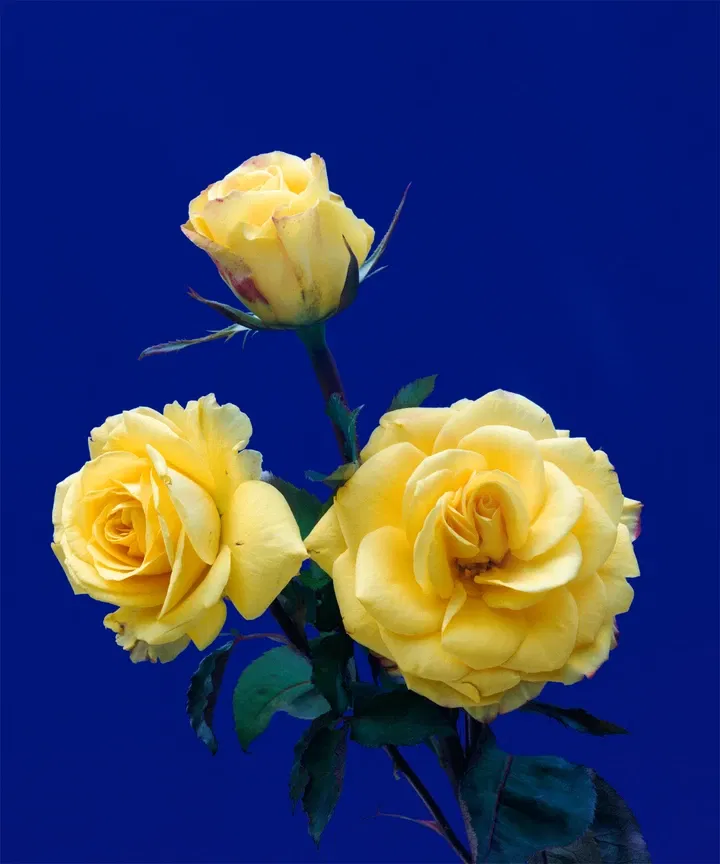
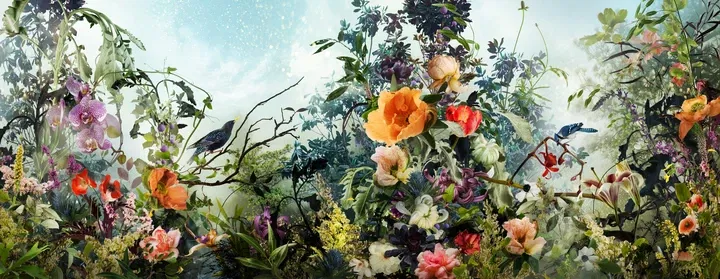
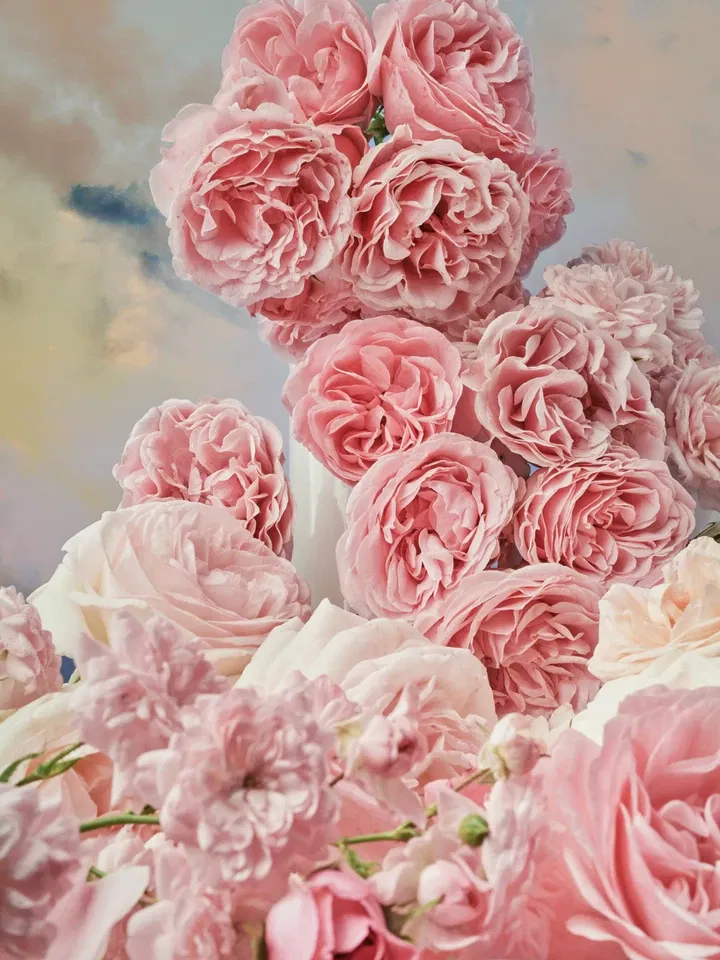
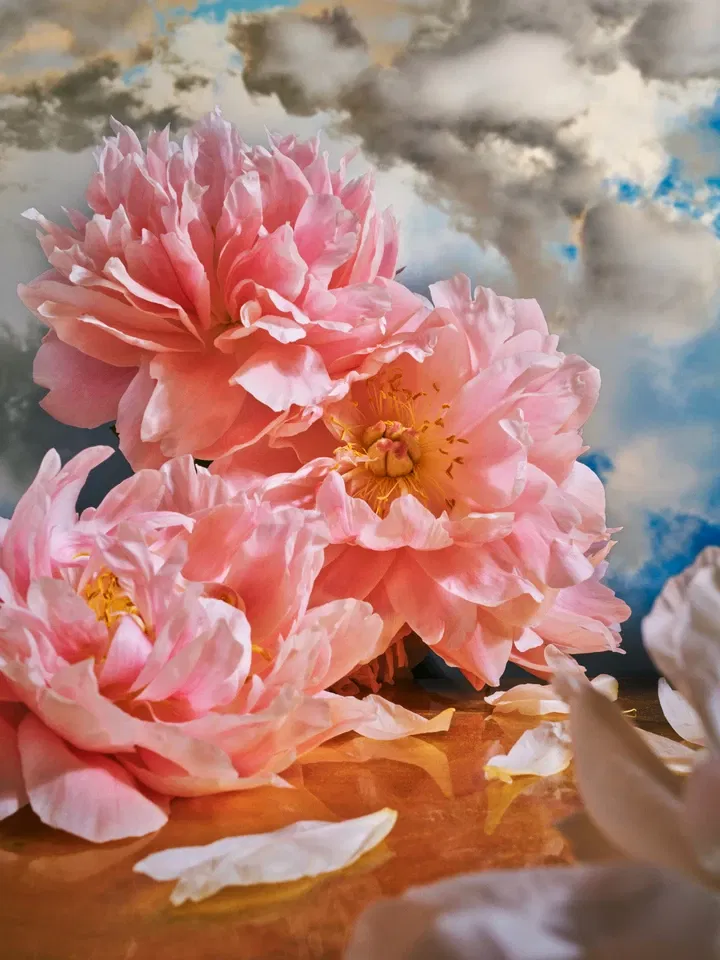
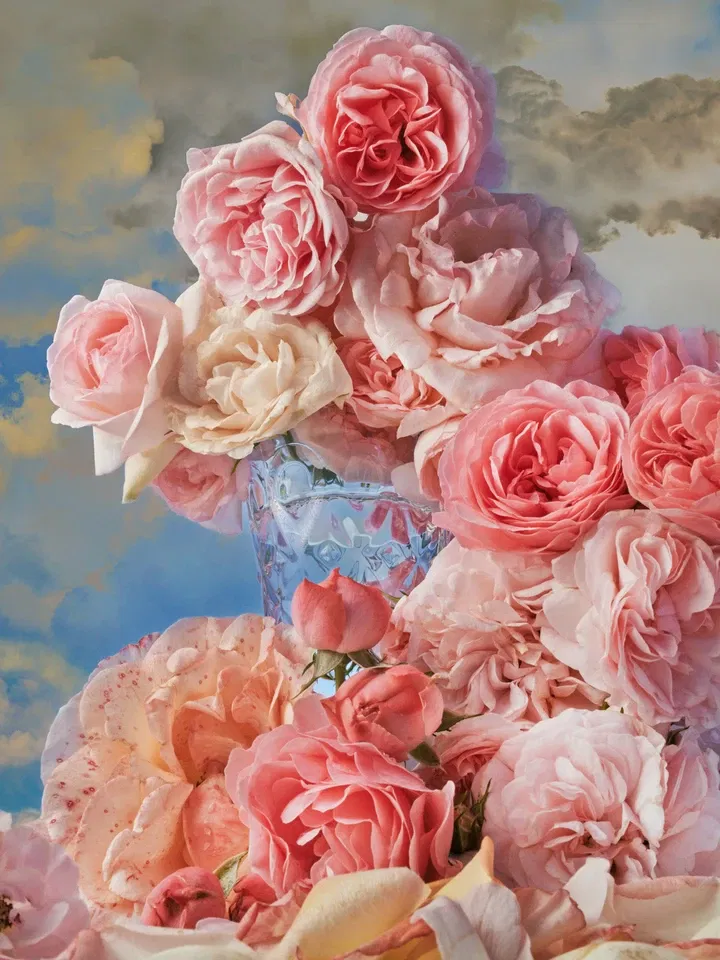
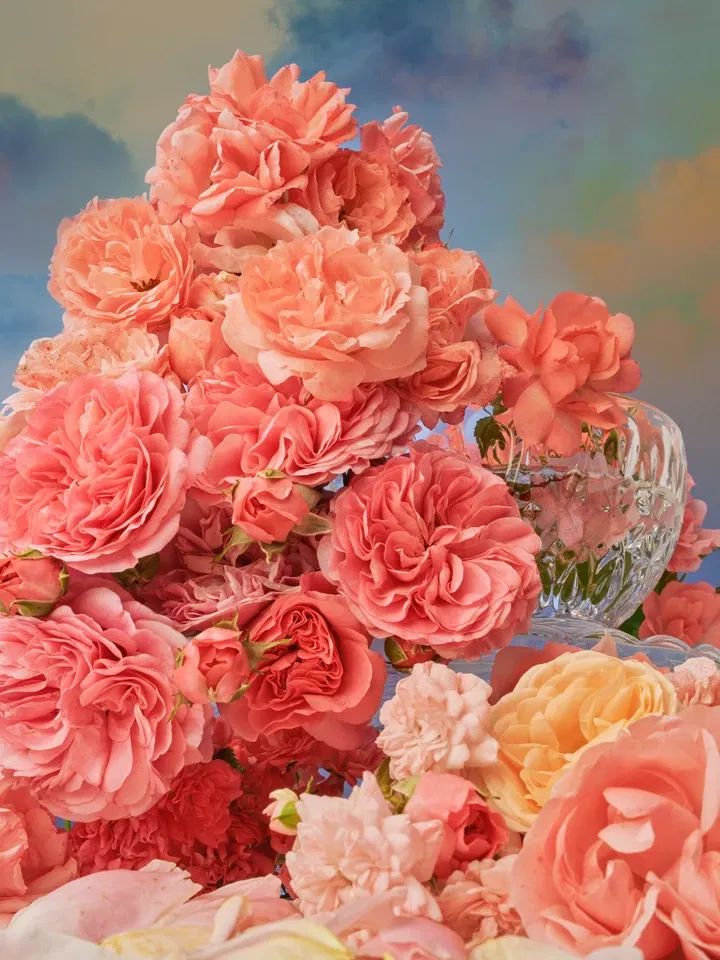
The queen of flowers dazzles through the lens of Heiko Hellwig and his unparalleled, almost noble elegance. Exuberance is a series of works tributed to the proverbial and legendary beauty of the rose. The images are so lively and pronounced that you feel as if you can smell the roses. In the process, Hellwig embraces a long-standing tradition that has made the rose, a symbol of beauty, the central motif of countless masterpieces. Famous painters such as Jan Brueghel the Elder and Jan van Huysum thoroughly devoted themselves to the subject of flowers and were particularly interested in the exceptional beauty of the rose. Heiko Hellwig continues this tradition through his striking photography, creating an engaging interaction between the allegorical and literal rose. The sky in the background lends the shots a dreamy touch and seemingly lifts the magnificent flowers from everyday reality.
The rose has a long history as a symbol of love and passion. It has been sung about many times and praised in literature. Even today, people turn to the rose as an expression of affection. In Heiko Hellwig’s opulent productions, the rose exhibits its allure in a new context: lavish, seductive, and multifaceted. The artist depicts not just one species, but a varied selection: Chippendale roses, Augusta Luise, Eden roses, and Buschwind roses complement each other in his magnificent compositions. In an overgrown garden, Hellwig discovered the assorted rose bushes standing their ground against changing times, even as the surrounding buildings slowly began to fade.
Black / White
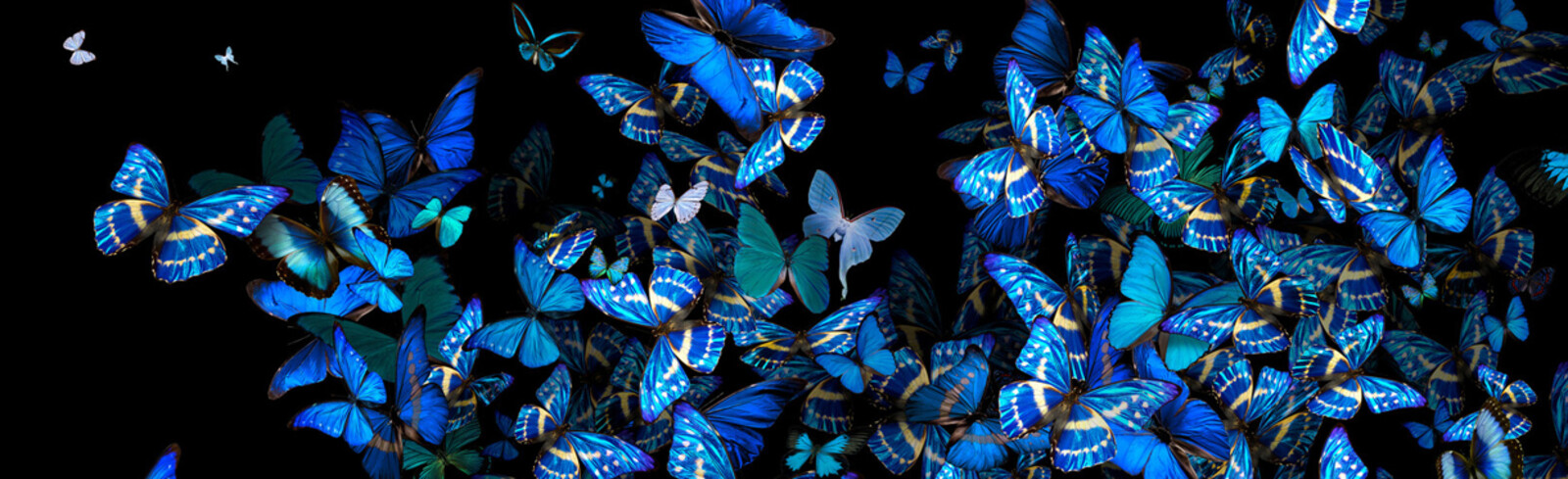
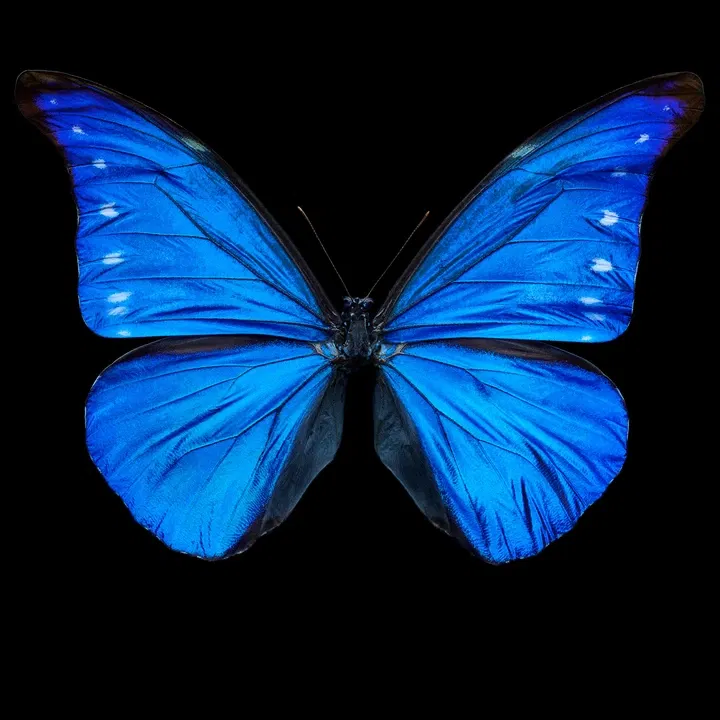
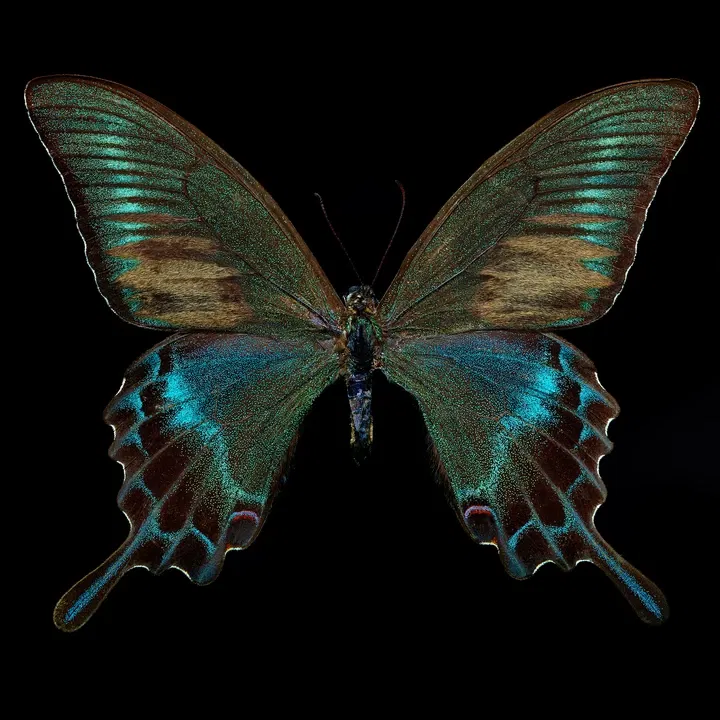
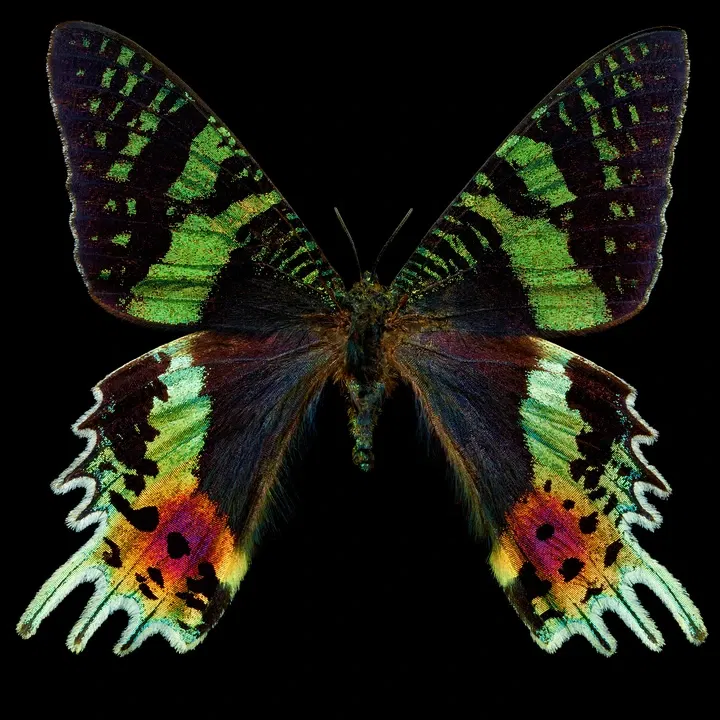
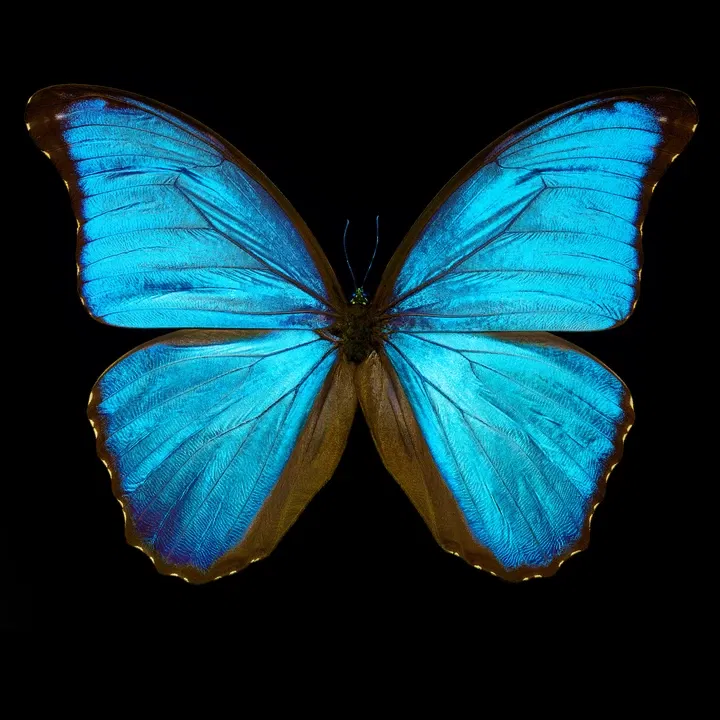
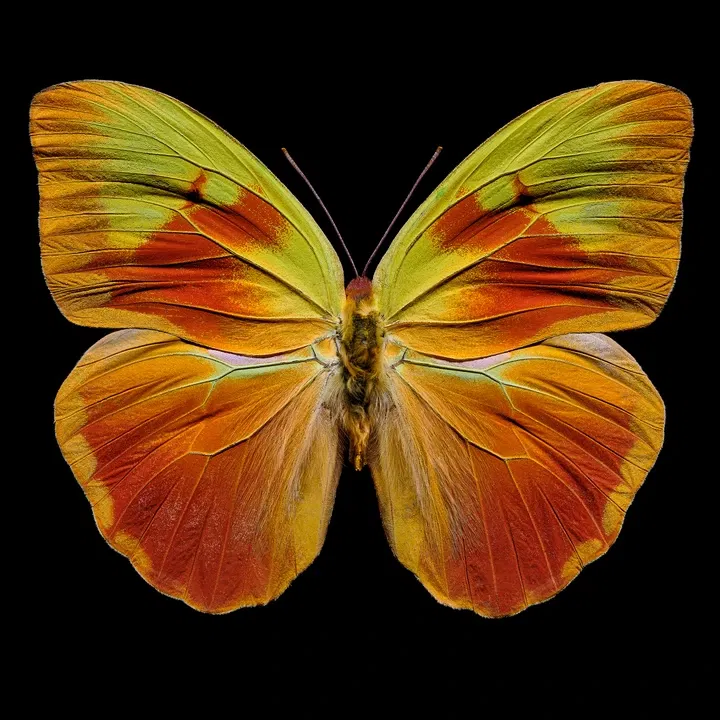
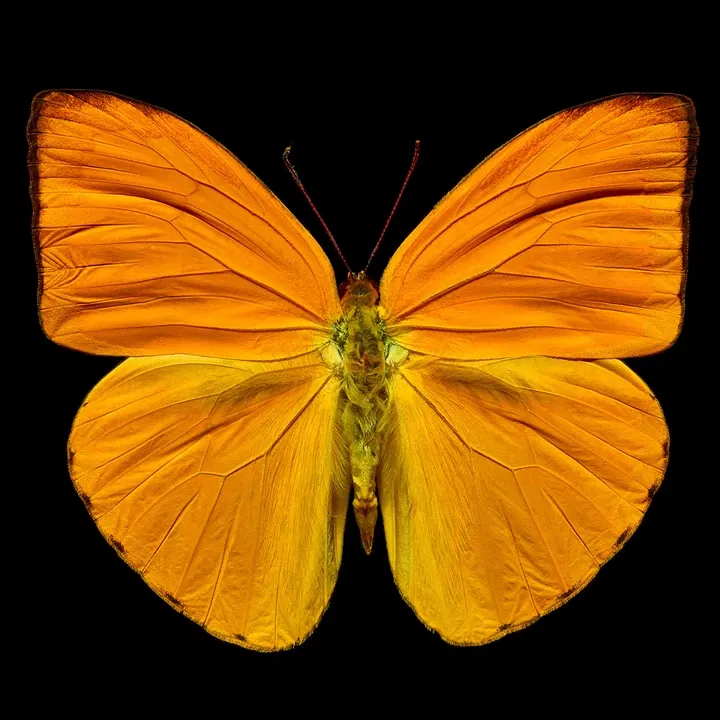
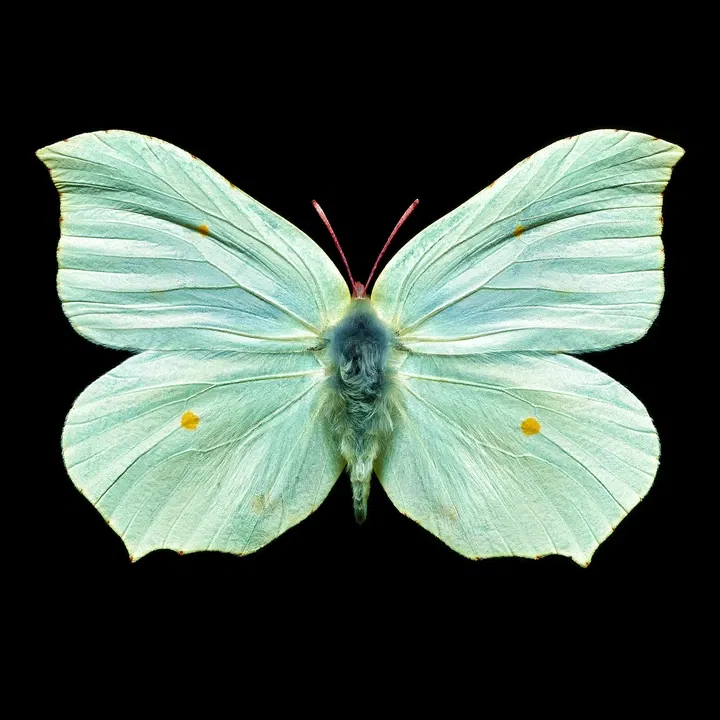
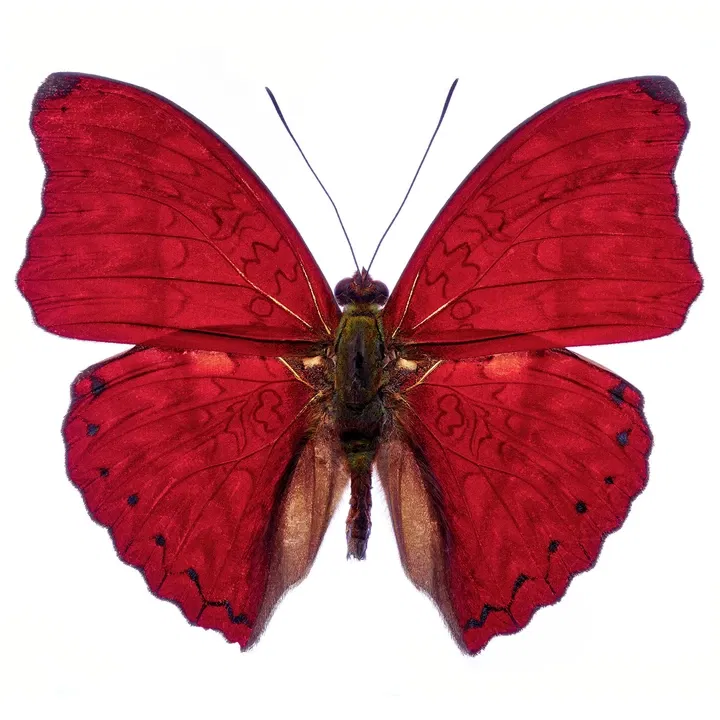
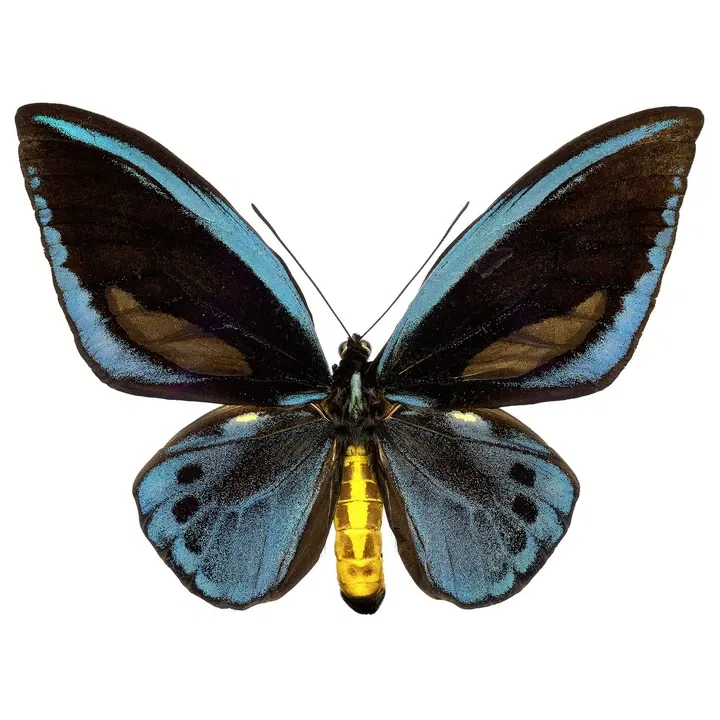
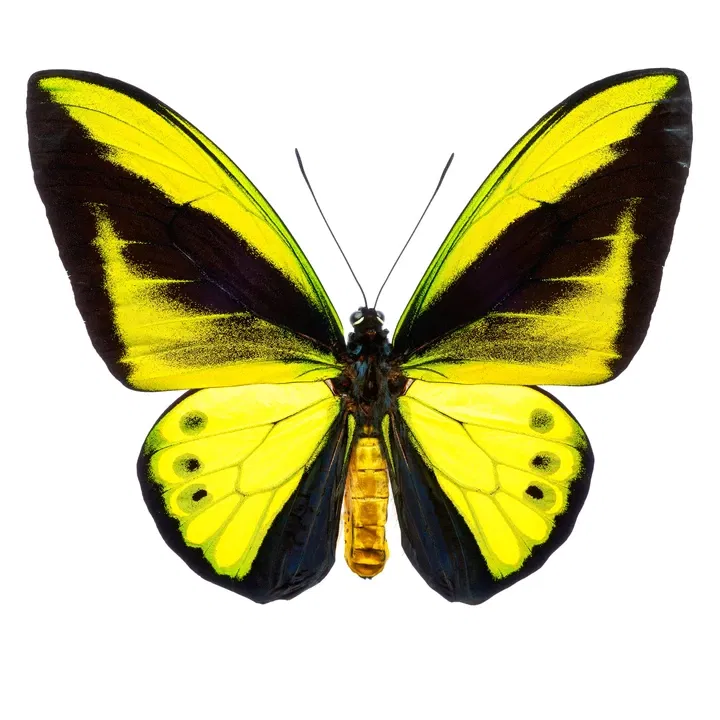
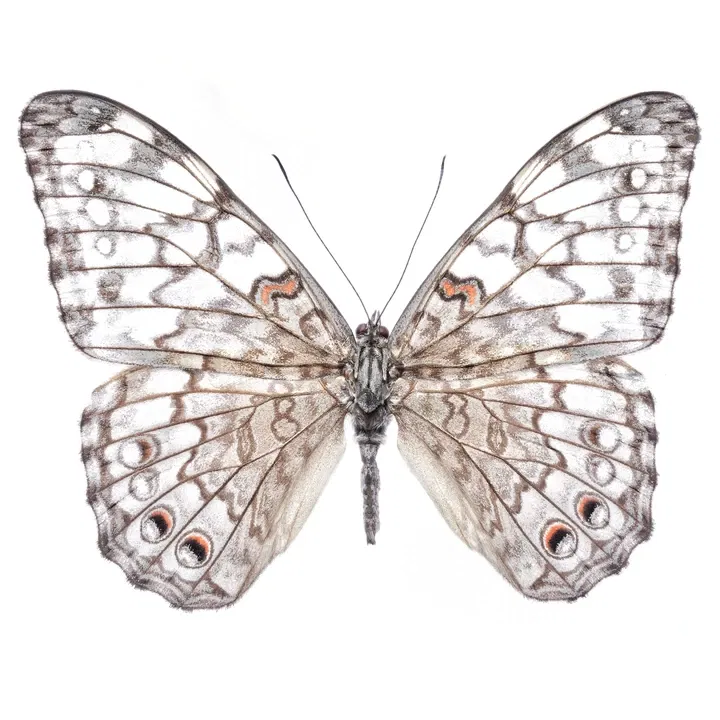
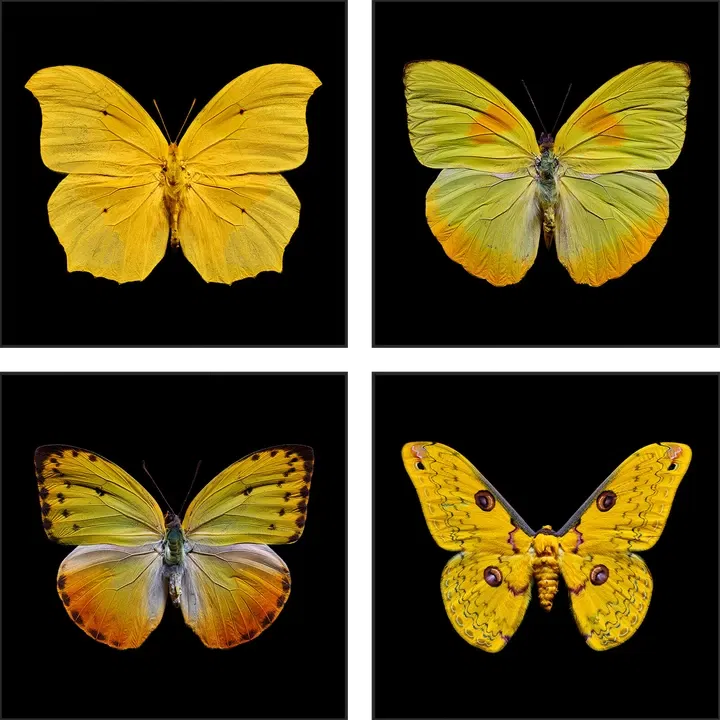
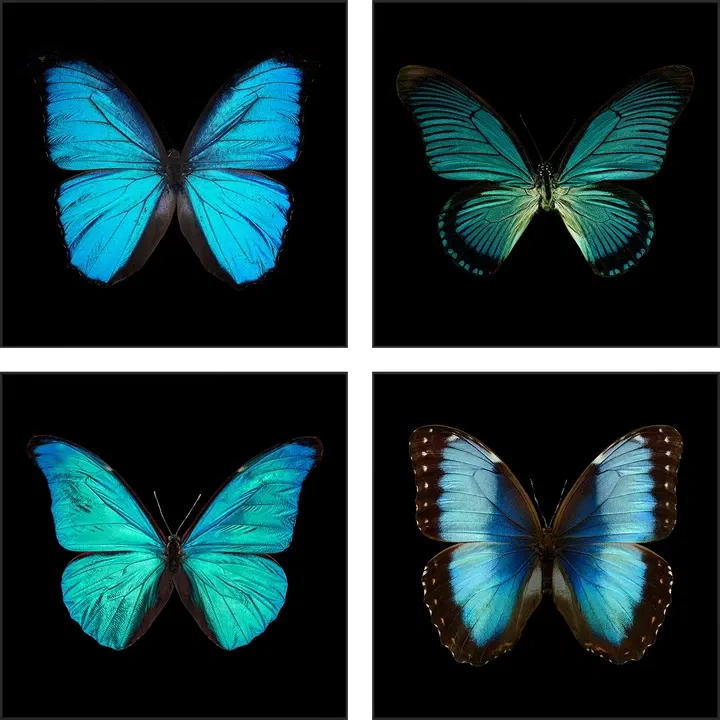
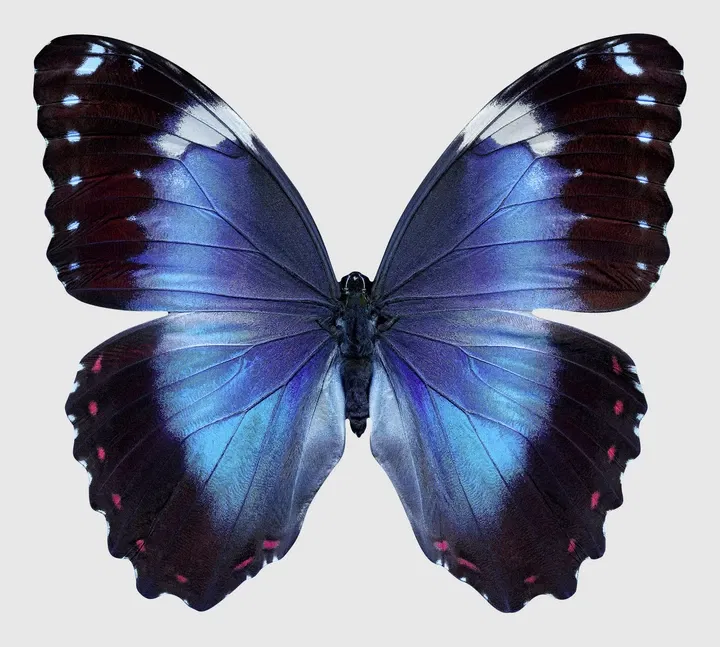
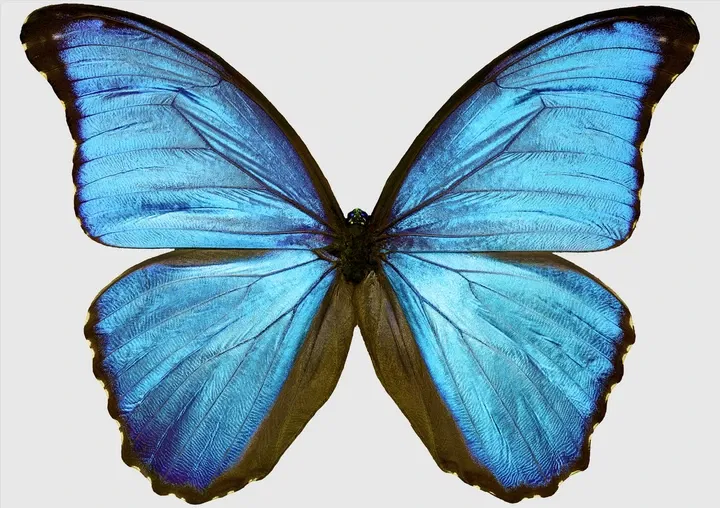
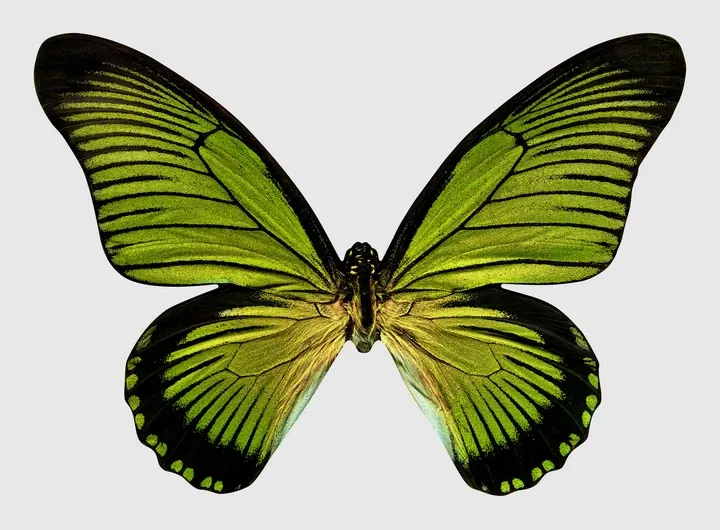
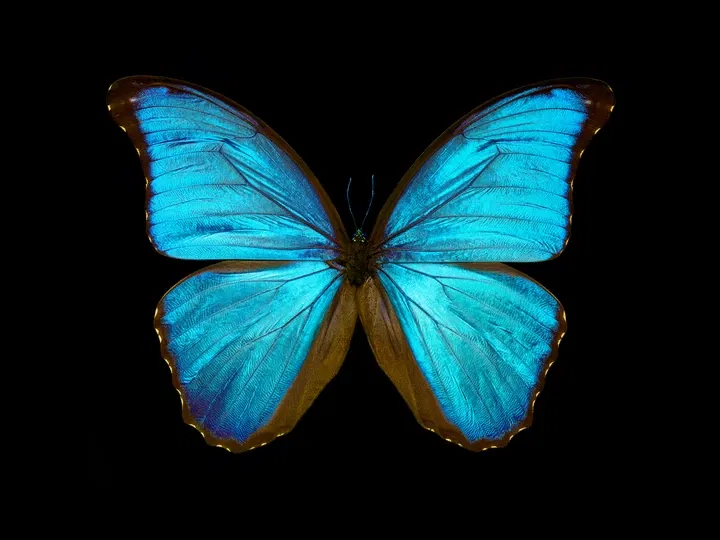
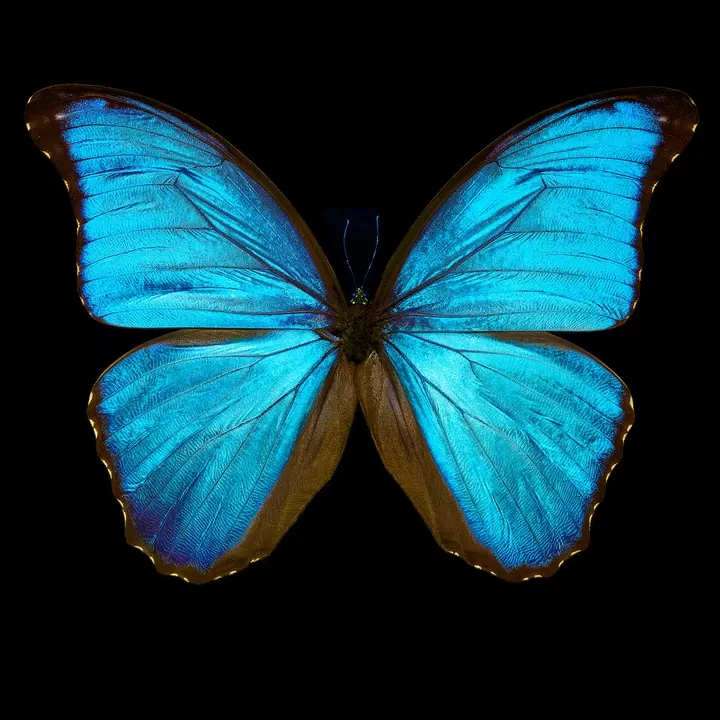
A delicate creature of ephemeral beauty, the butterfly has always played a special role in art history. Painters like Vincent Van Gogh and Salvador Dali frequently made the butterfly the subject of their work, and it has also gained traction in the contemporary art scene – not least through Damien Hirst’s Butterfly Colour Paintings.
In his two latest series, Black and White, Heiko Hellwig also celebrates the beauty and uniqueness of these colourful insects. Set before a black or white background, his incredibly detailed pieces let us admire the individual characteristics of each butterfly. From the shimmering metallic scales to the glossy compound eyes and fragile feelers, Hellwig presents the vivid insects as if though under a magnifying glass.
We immediately appreciate the rare quality of the images Hellwig preserves for all eternity. The works focus on the ambivalent relationship between beauty and finality of life – an apparent contradiction that lends Hellwig’s works a distinct melancholy.
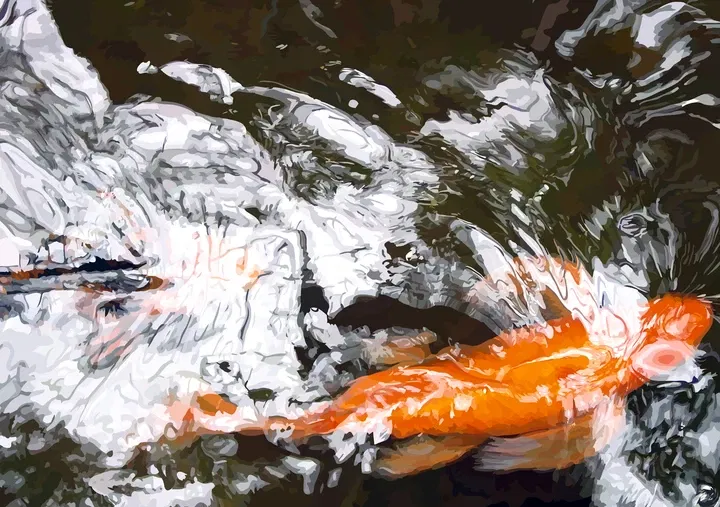
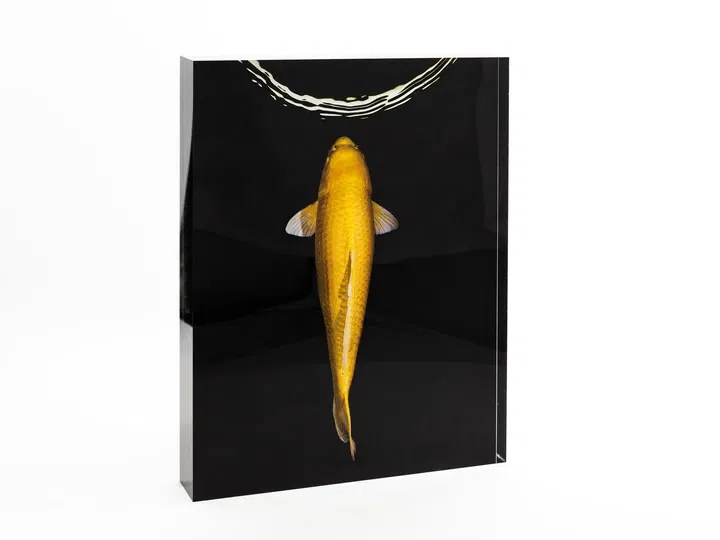
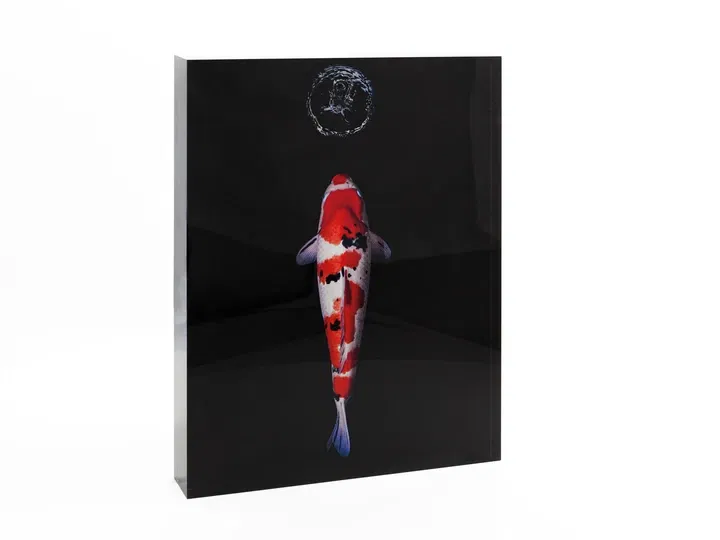
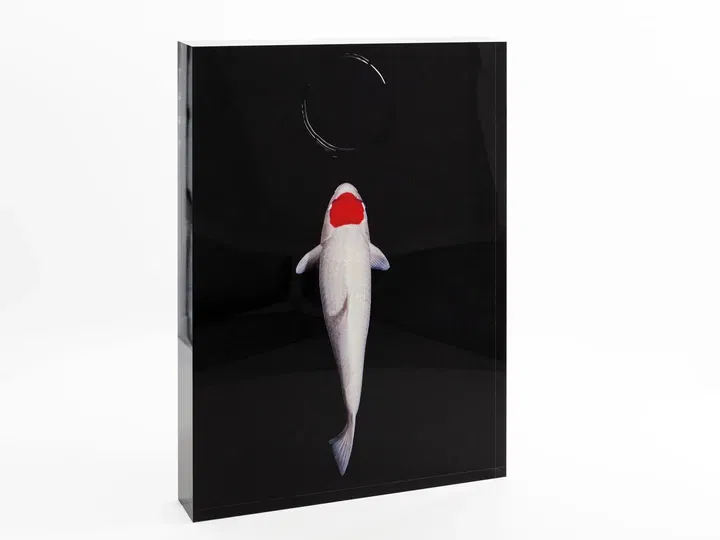
Koi
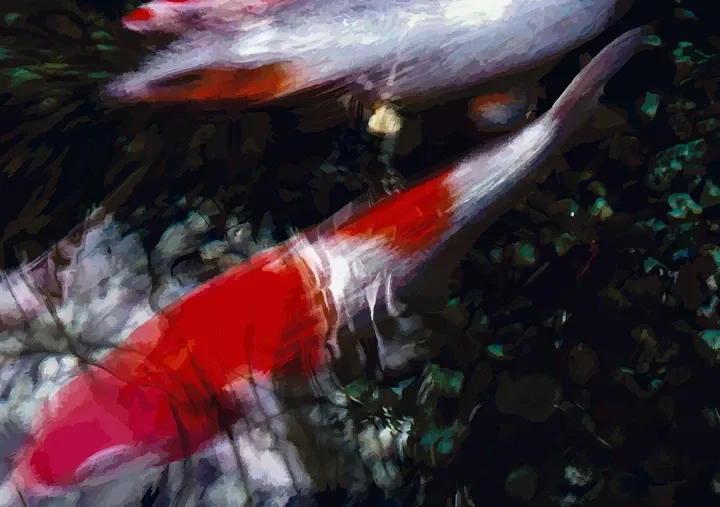
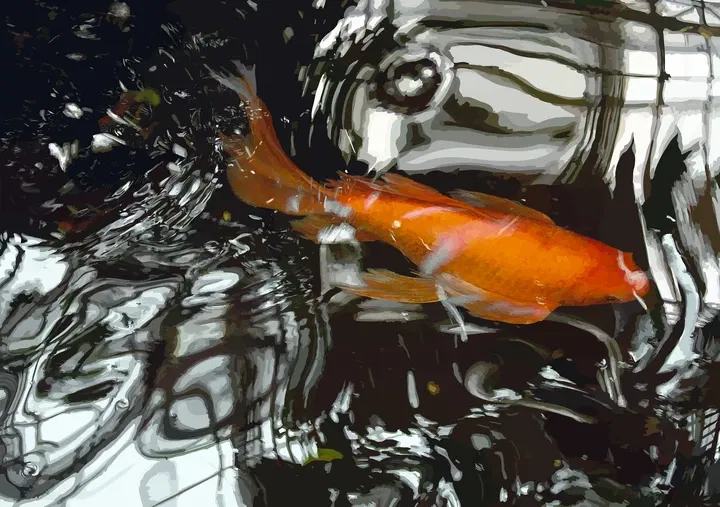
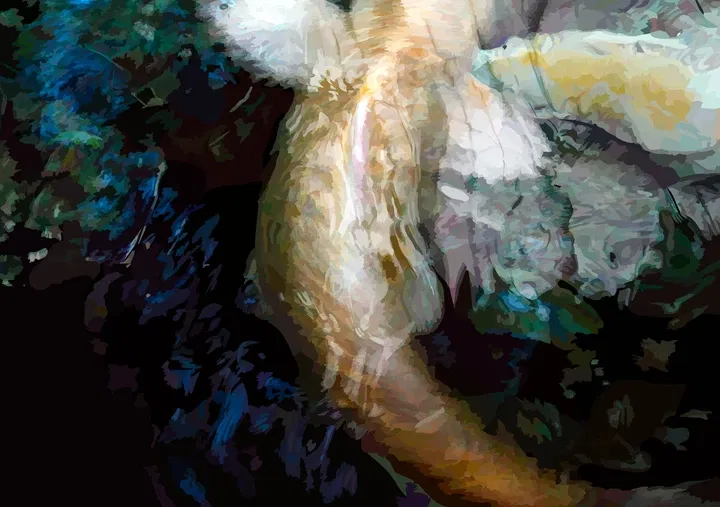
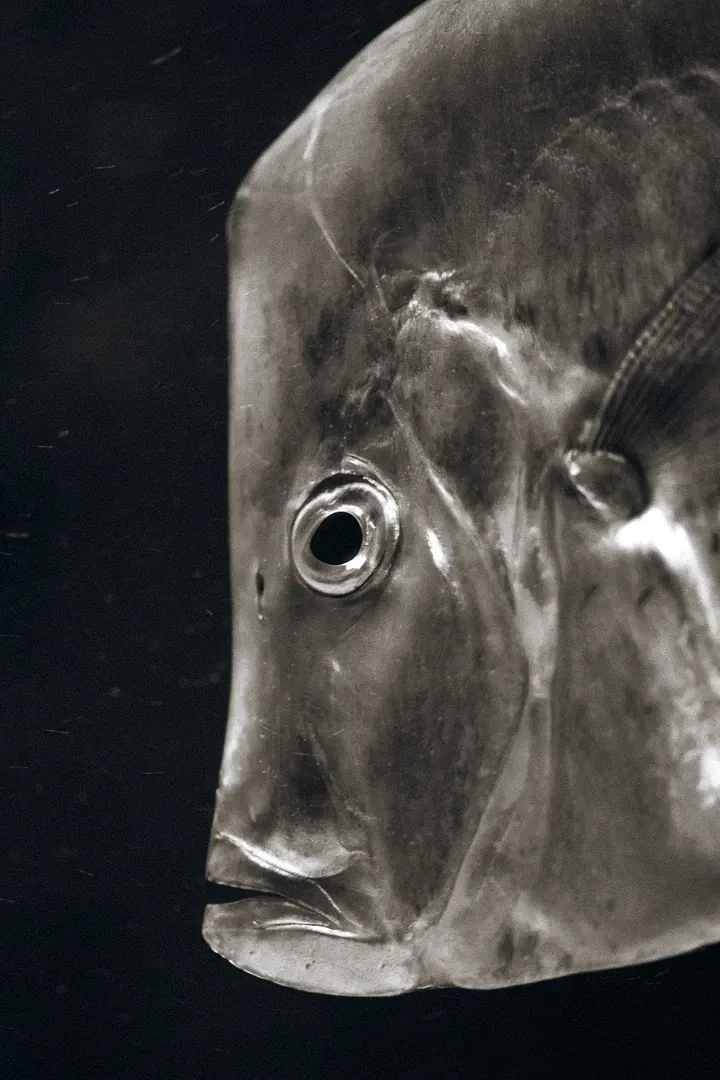
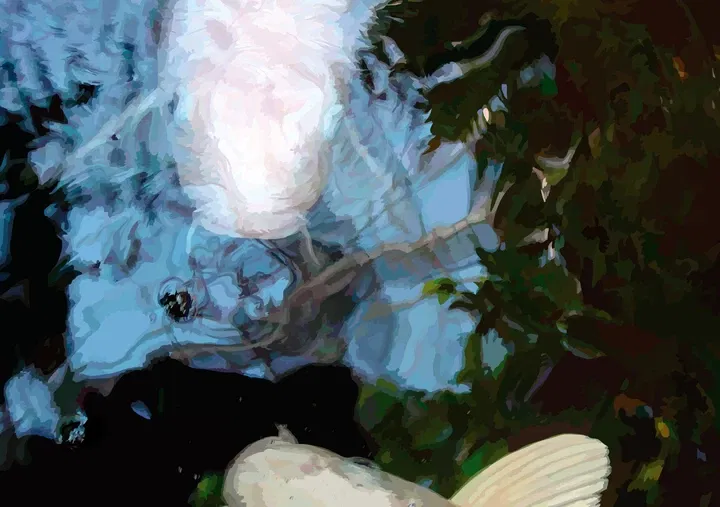
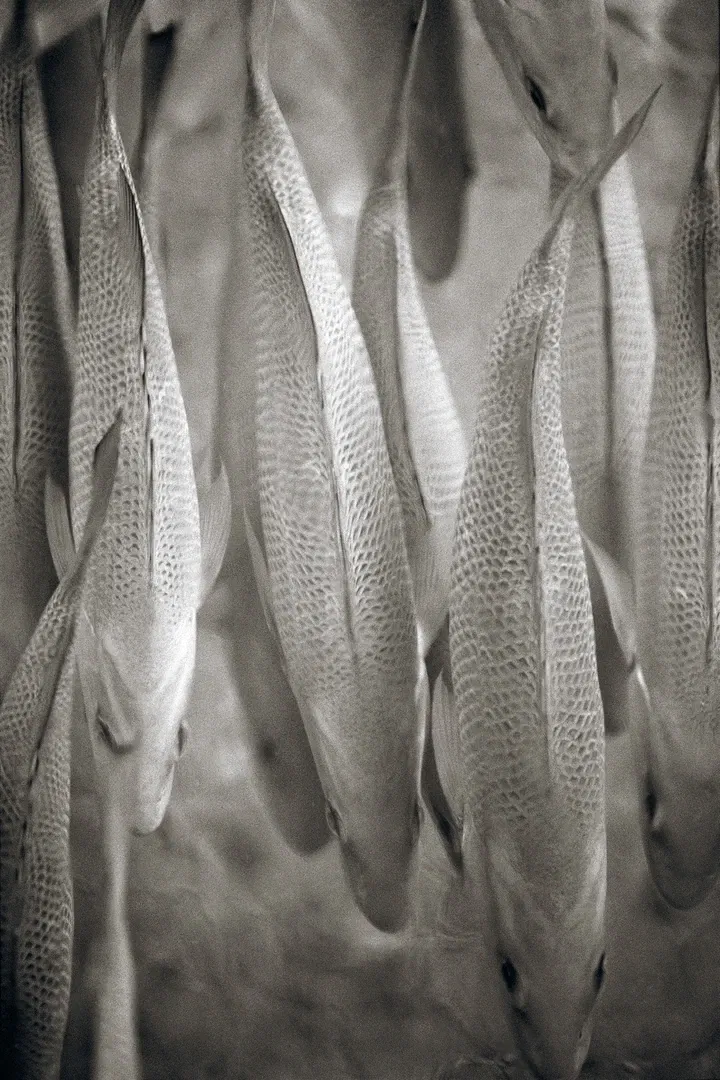
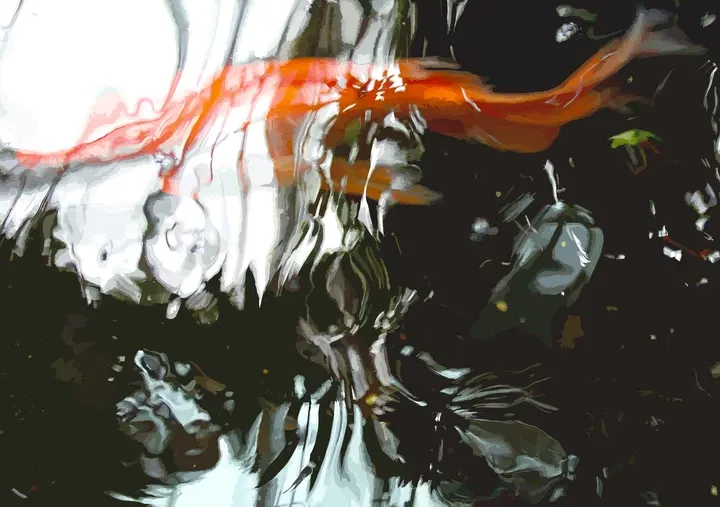
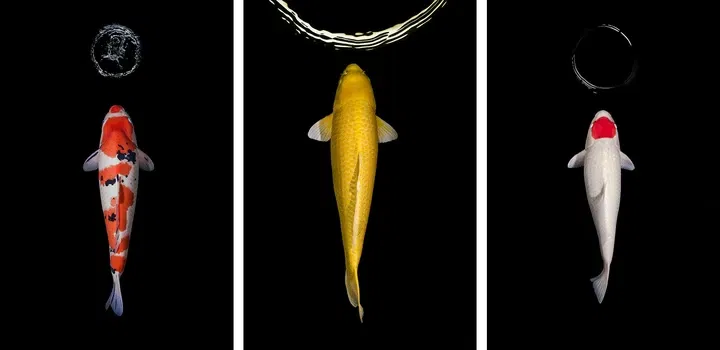
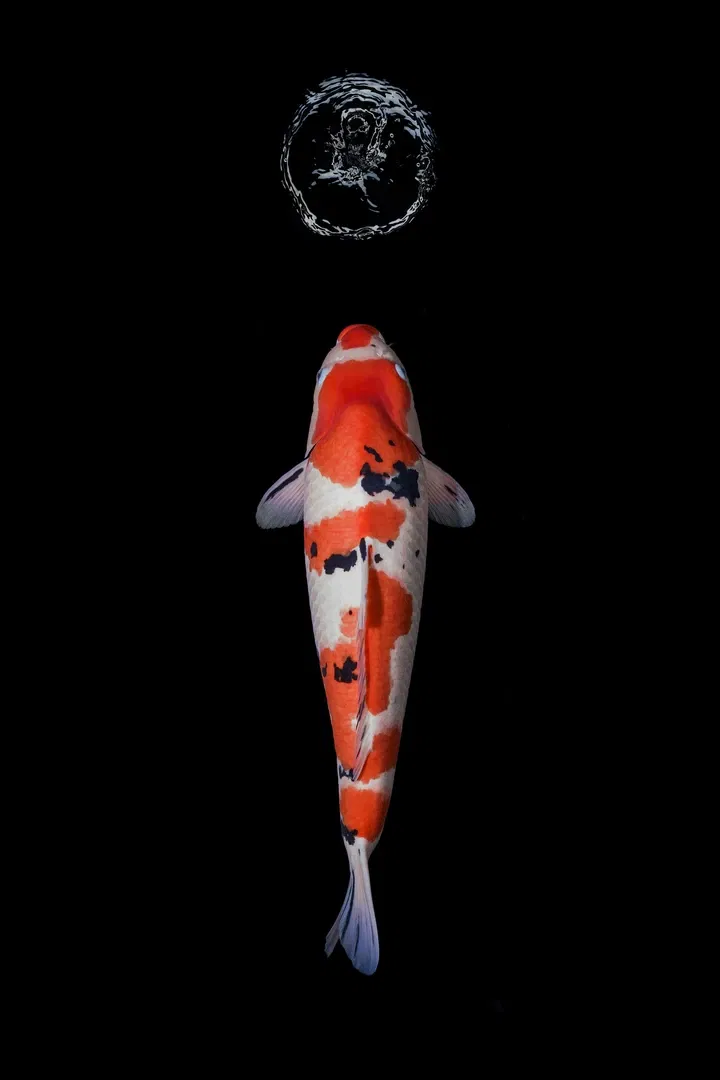
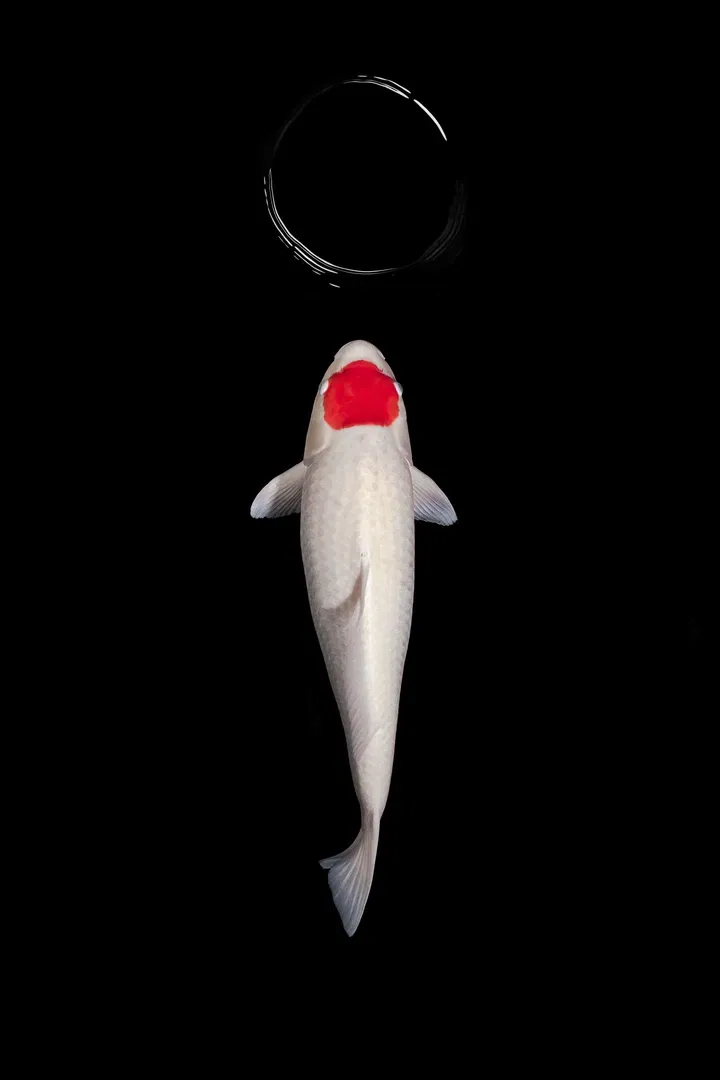
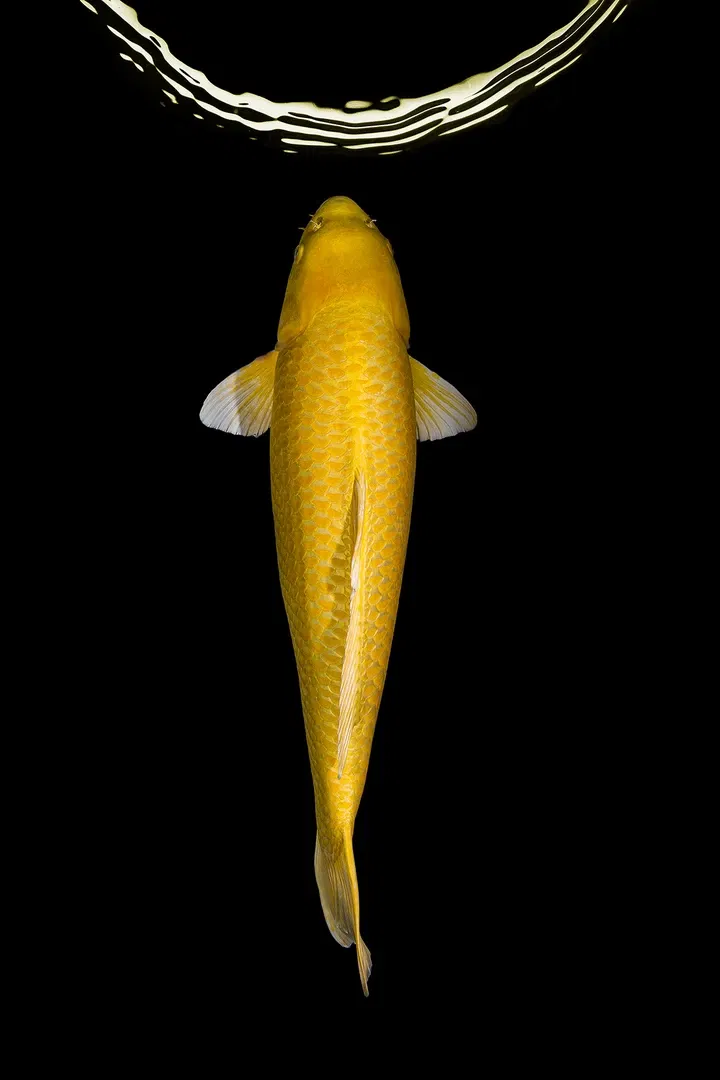
Hellwig’s Koi series can be seen as a logical progression of his oeuvre. We can make out the finest scales forming patterns on the fish like finely composed patterns. The clear contours and monochrome background are characteristic of Hellwig’s minimalistic and precise aesthetic.
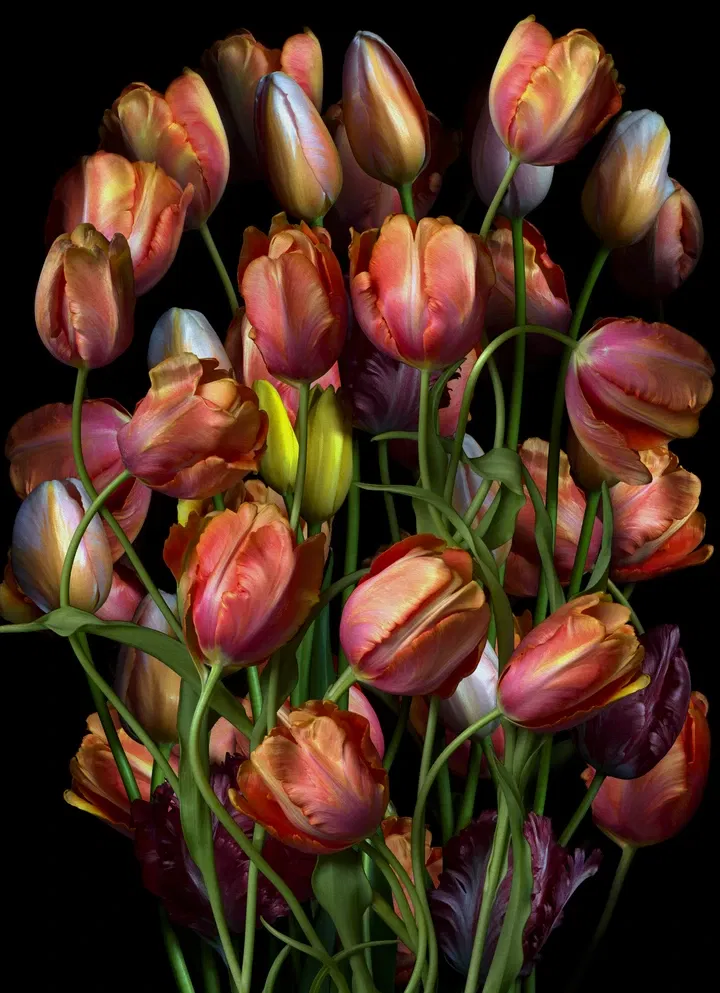
Blossom
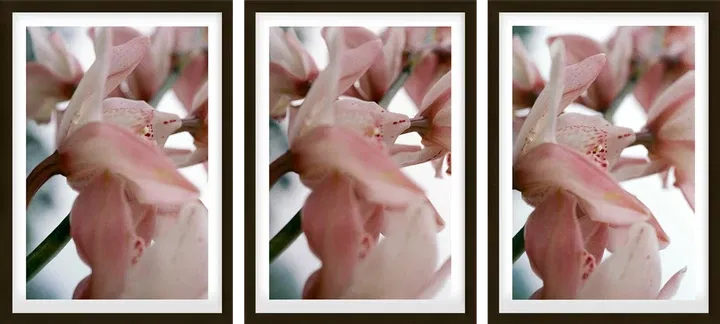
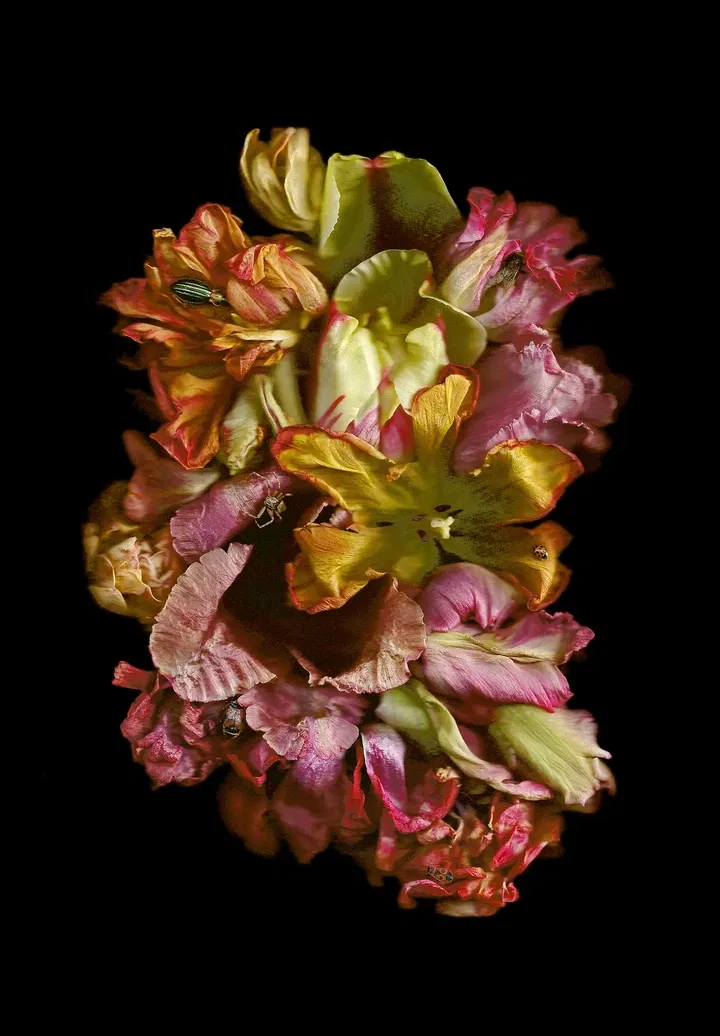
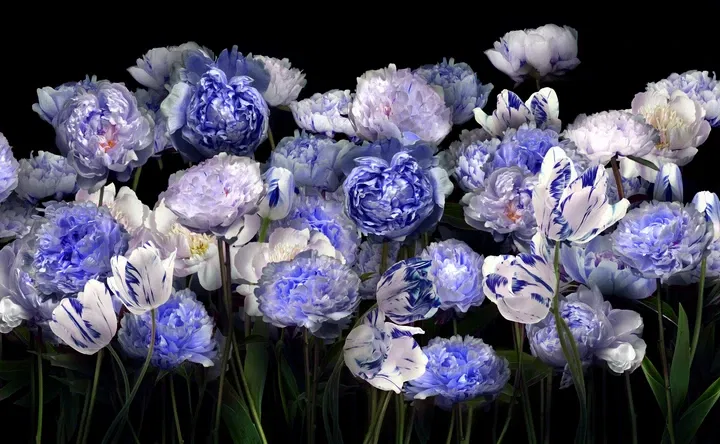
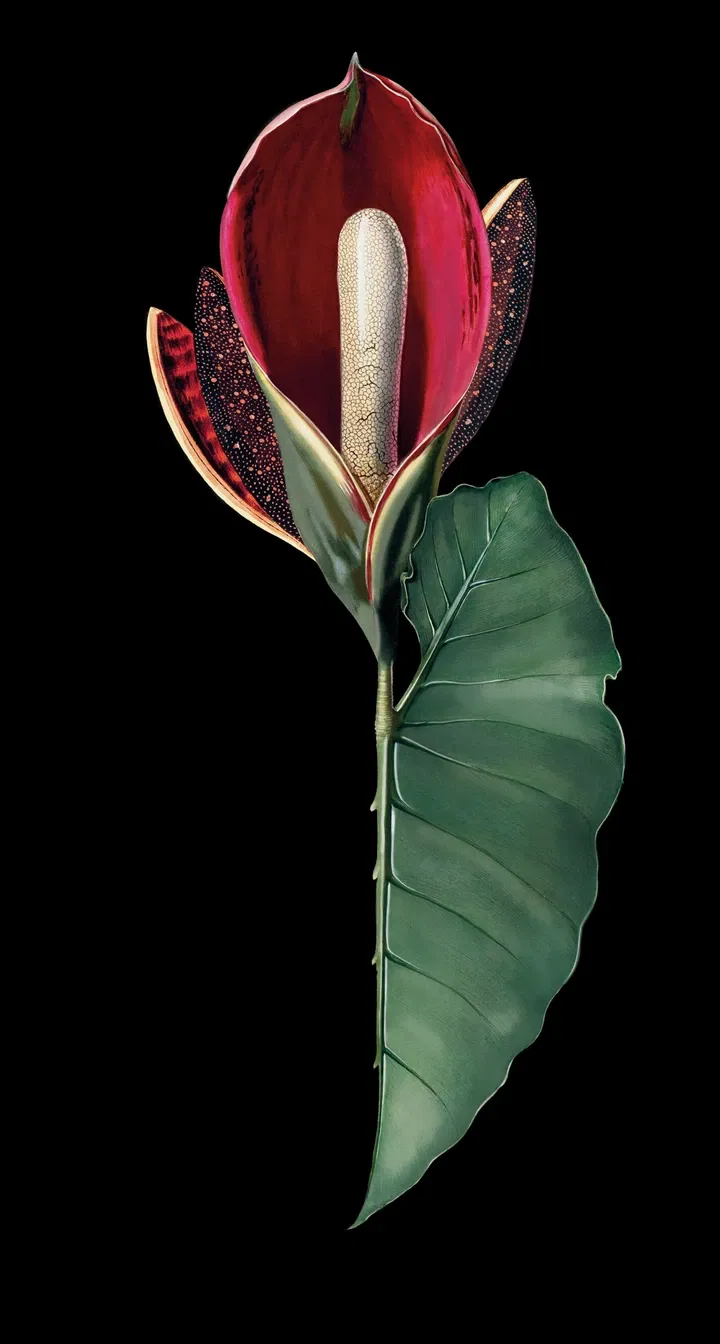
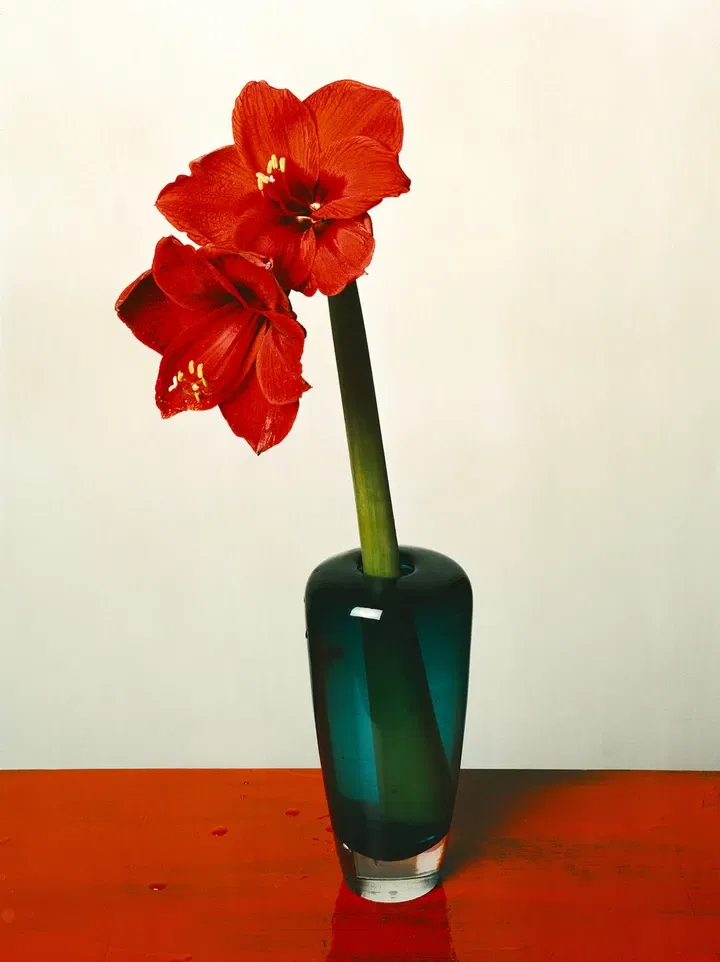
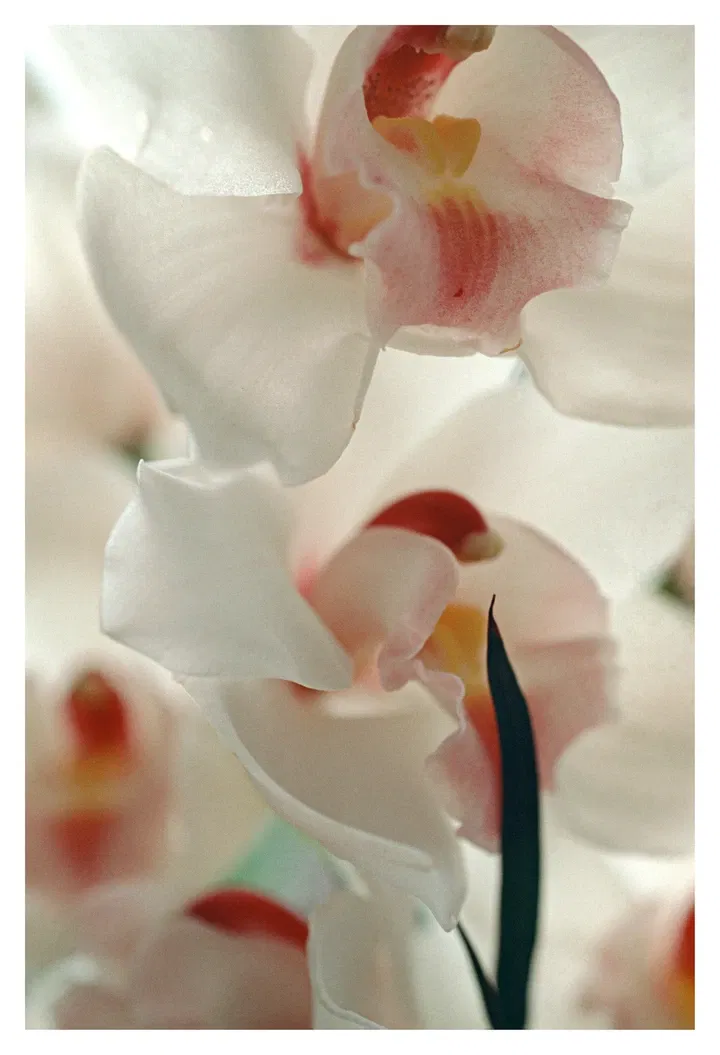
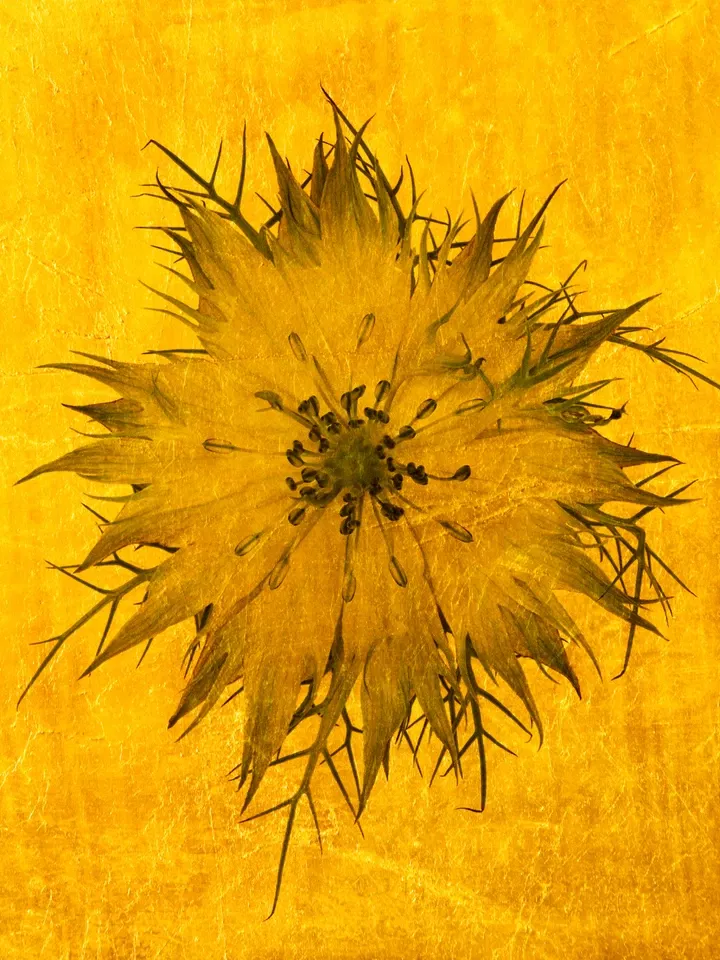
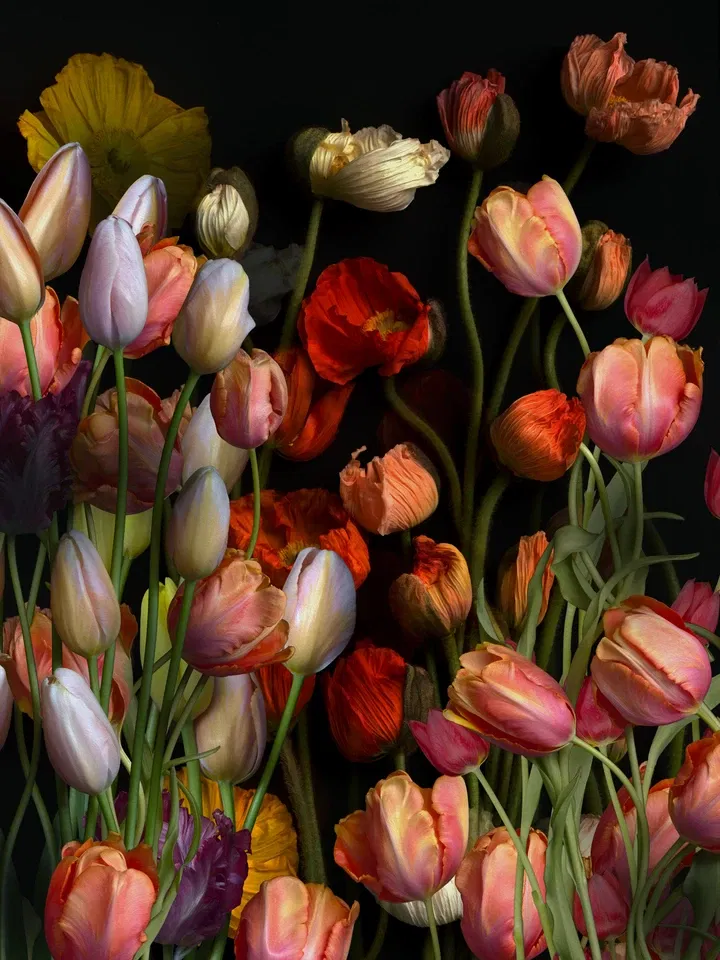
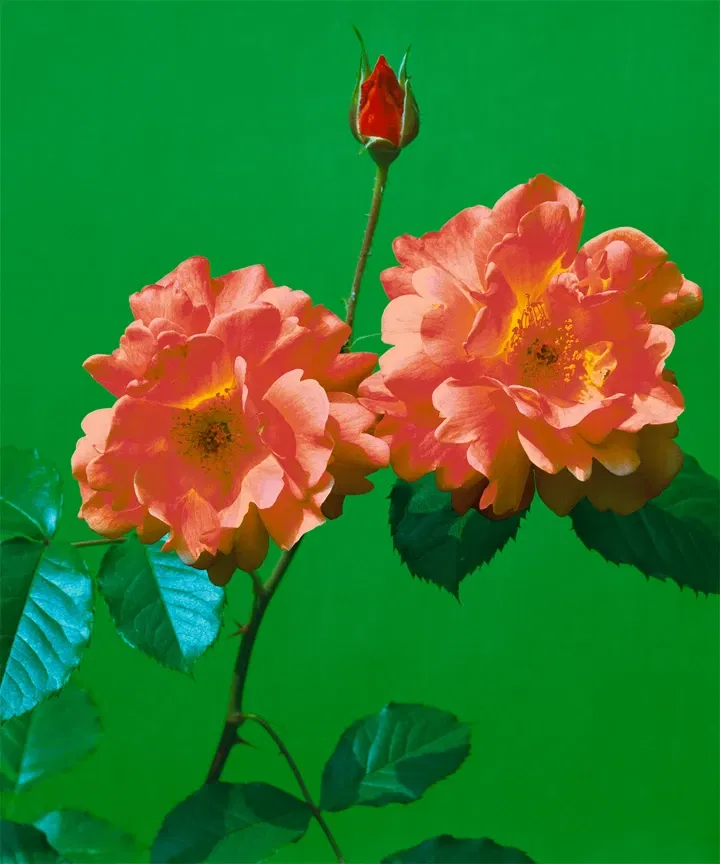
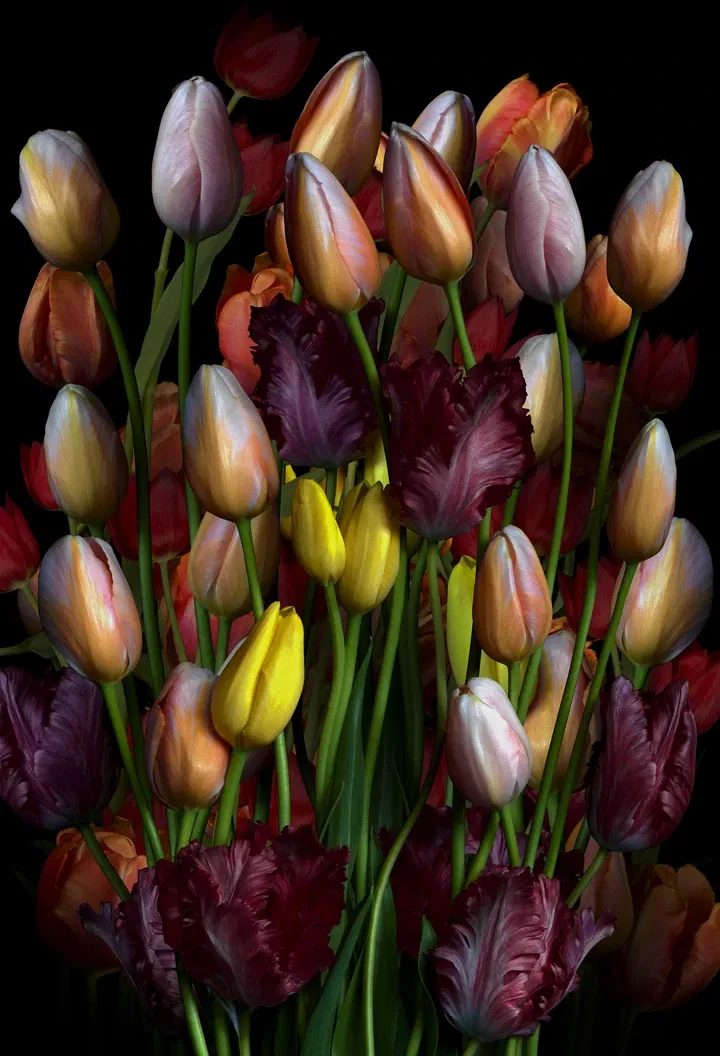
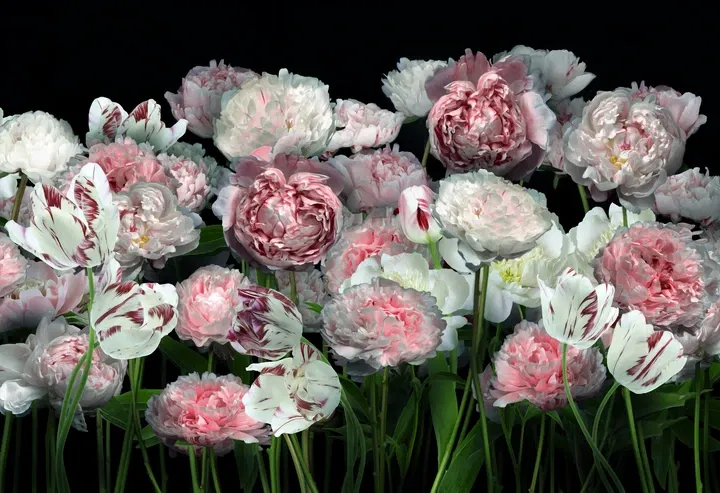
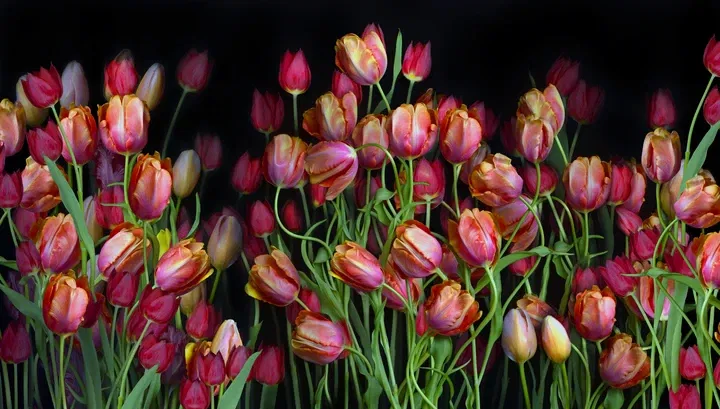
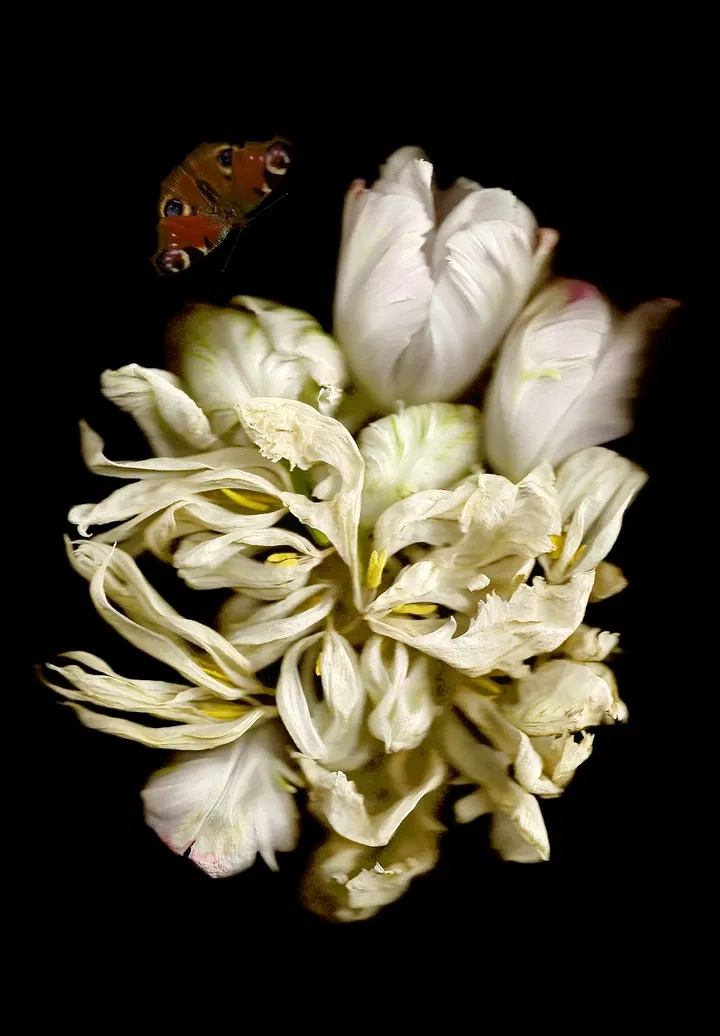
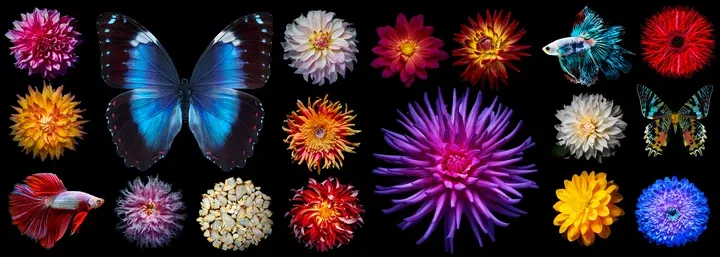
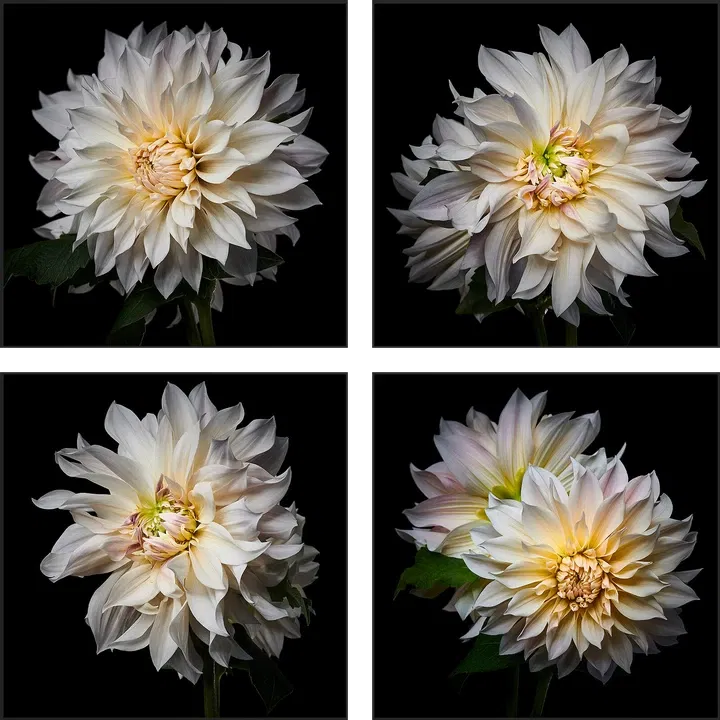
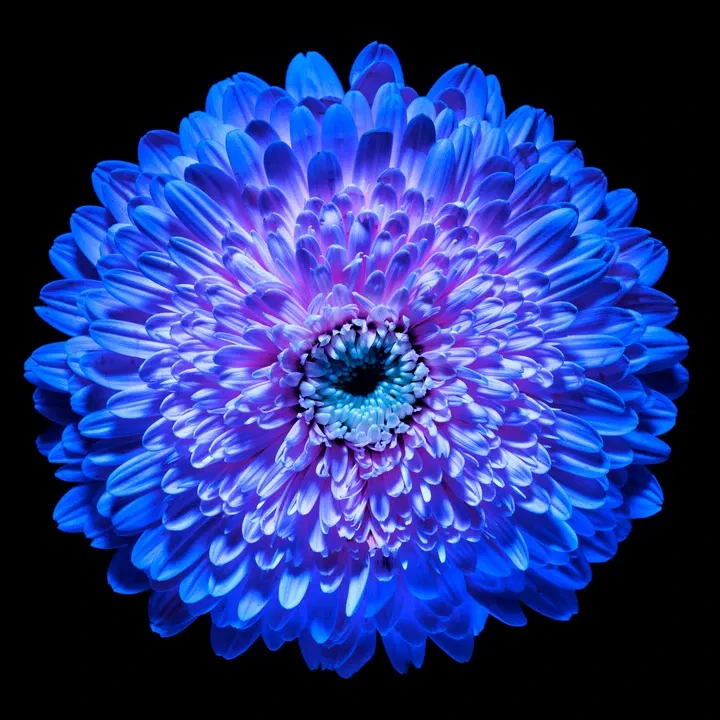
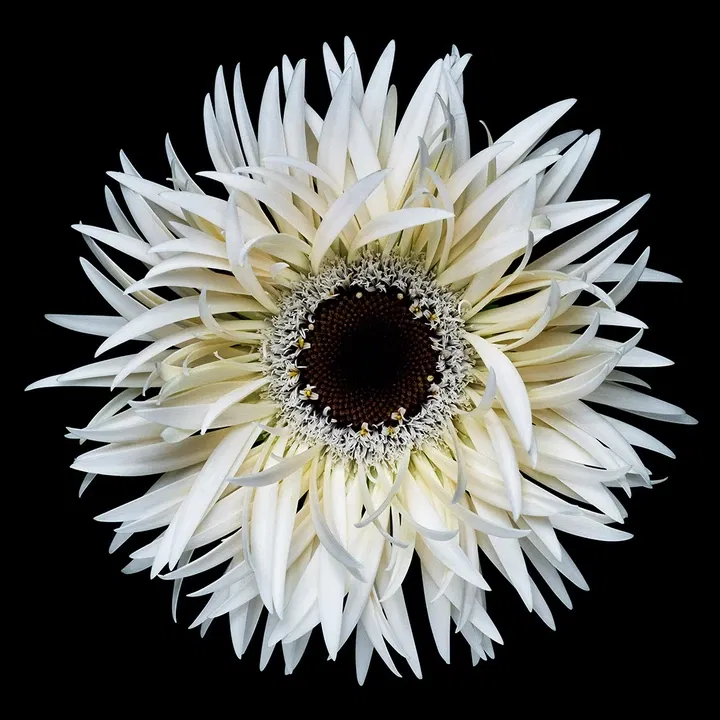
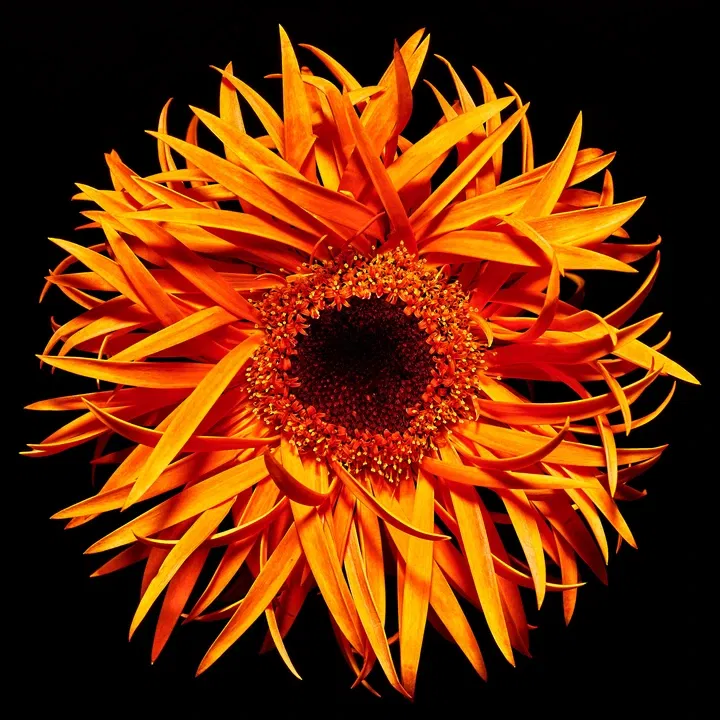
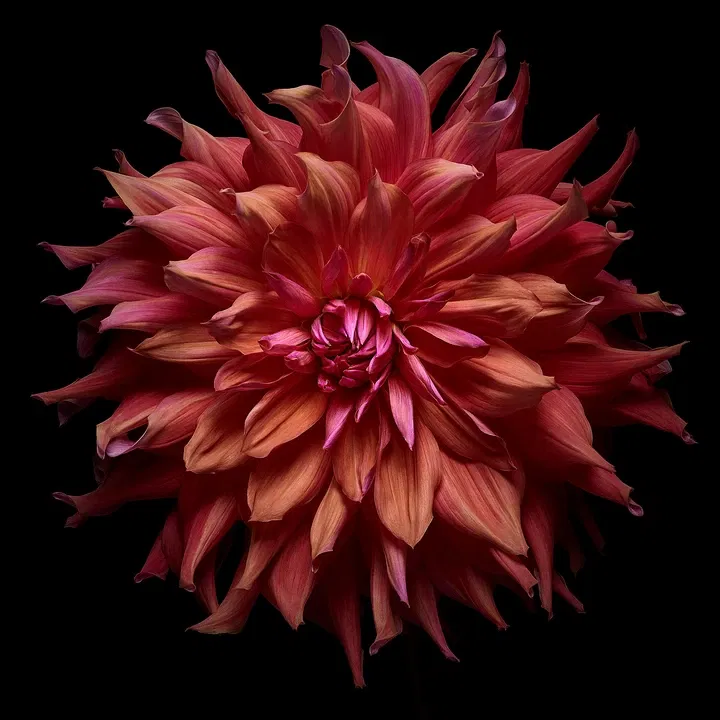
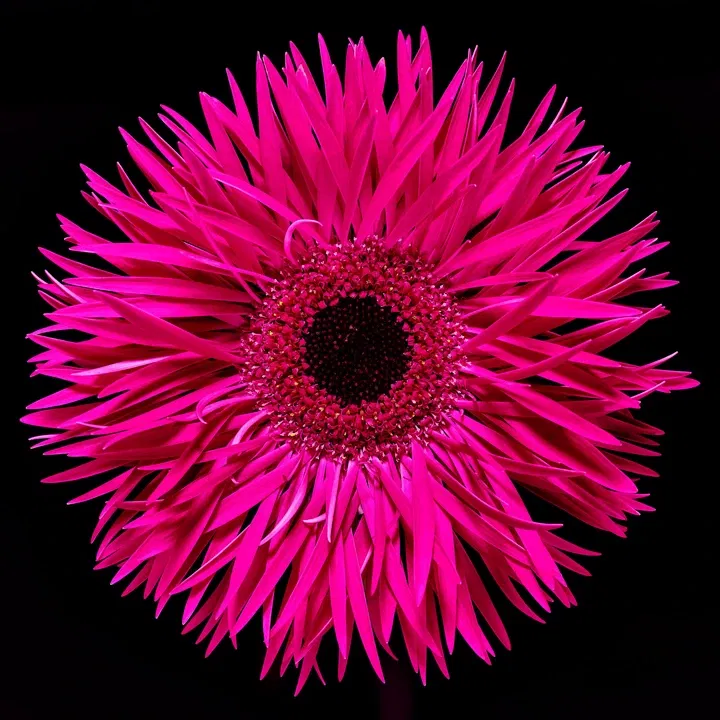
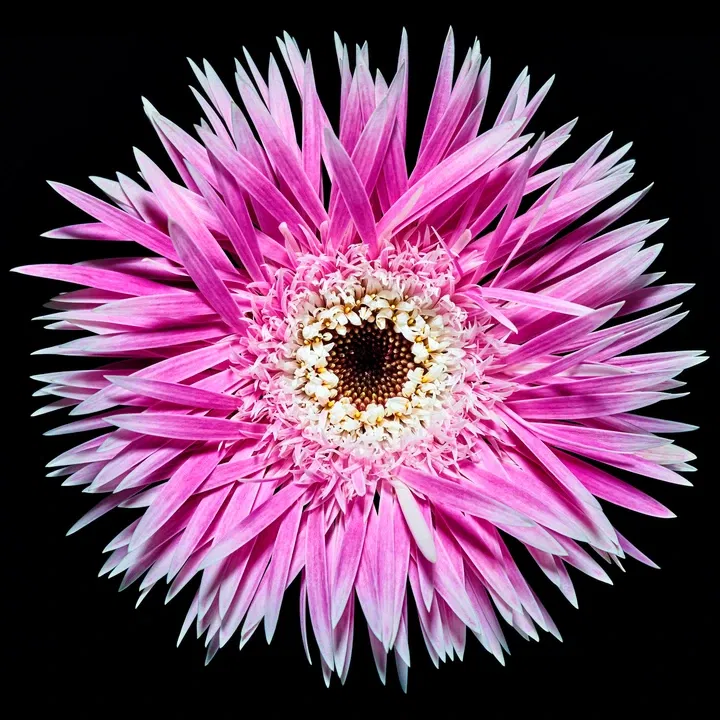
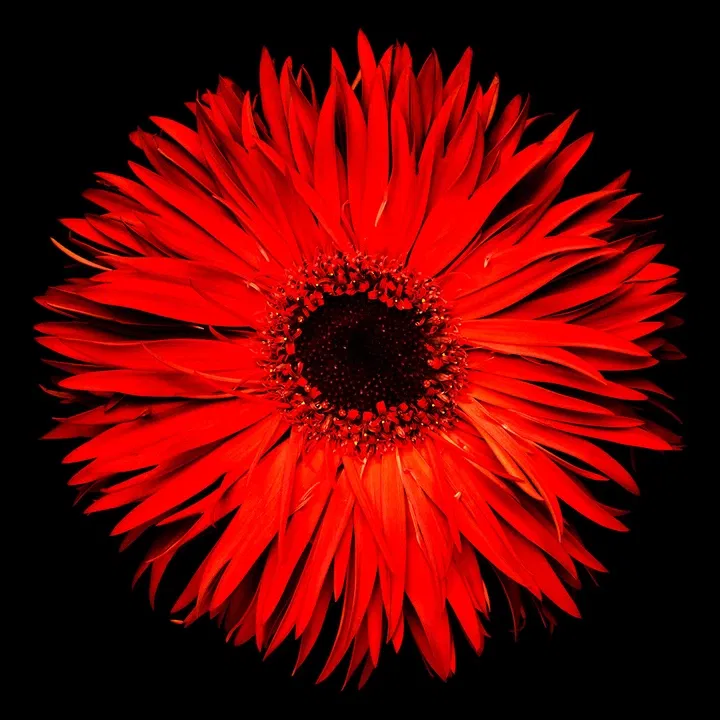
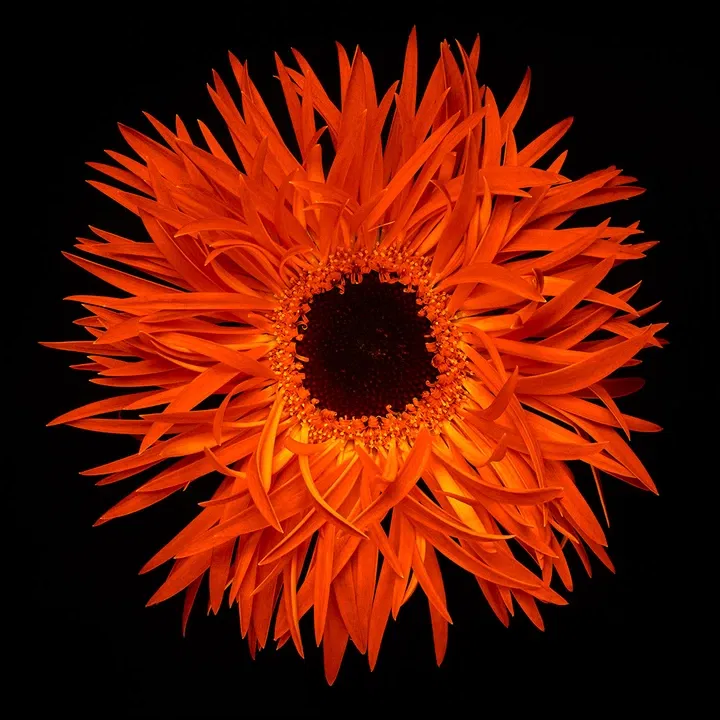
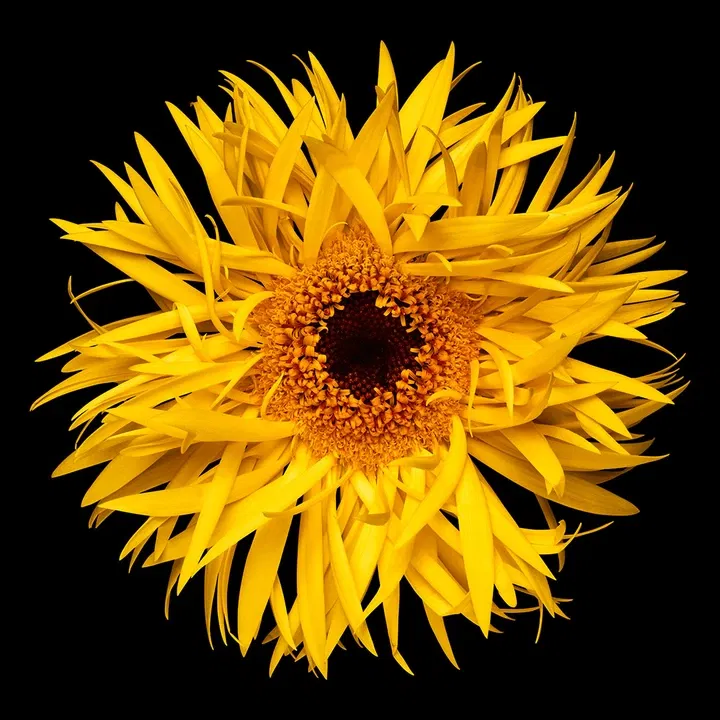
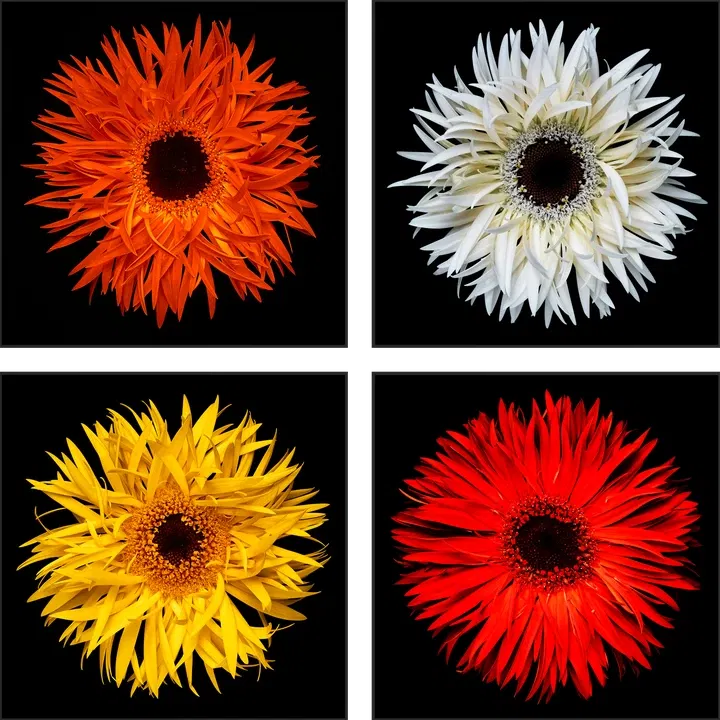
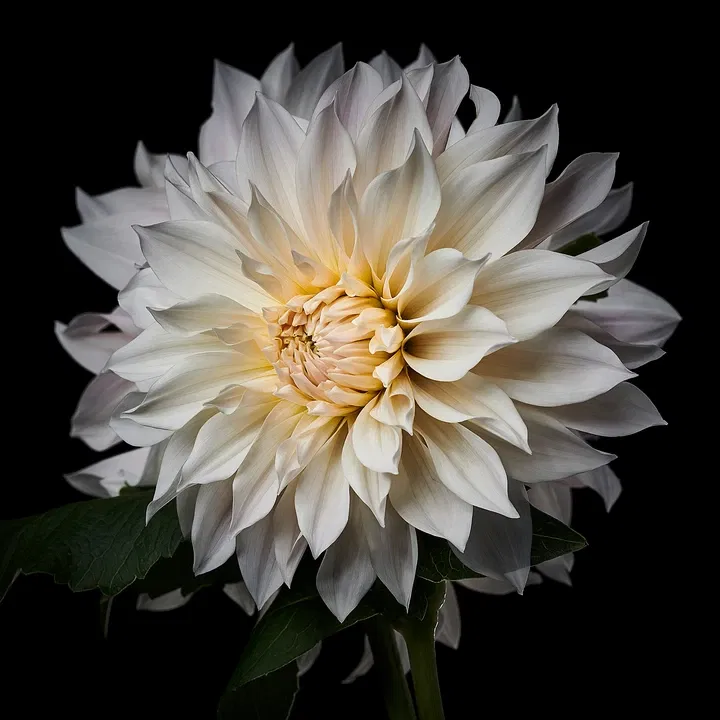
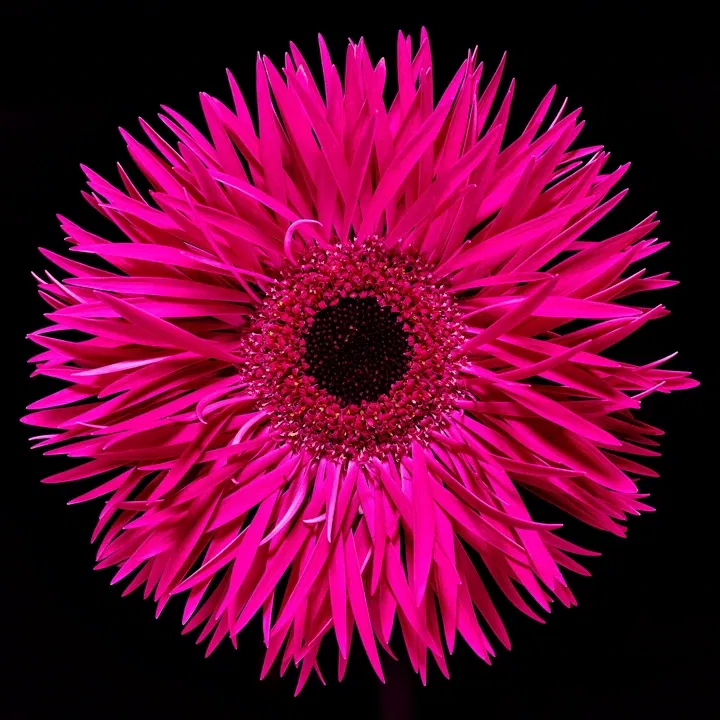
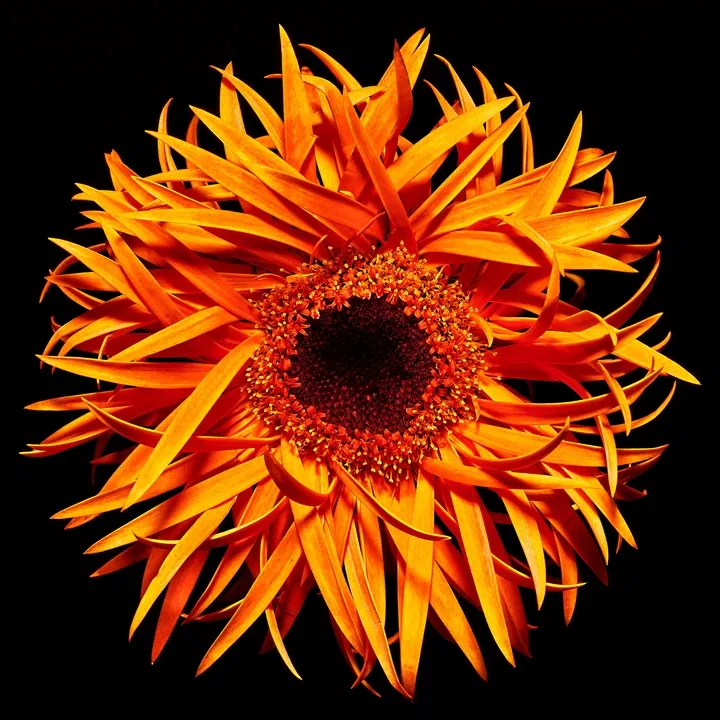
In his new series, Blossom, Hellwig reveals the beauty of flowers. “I am consciously focusing on a single perfect flower instead of a colorful, overflowing bouquet,” the artist says. Hellwig delves deep into these individual flowers, examining their gently curving petals. Hellwig views his work as the modern extension of the classic still life, with a meditative focus on the essence.
Cut-Out
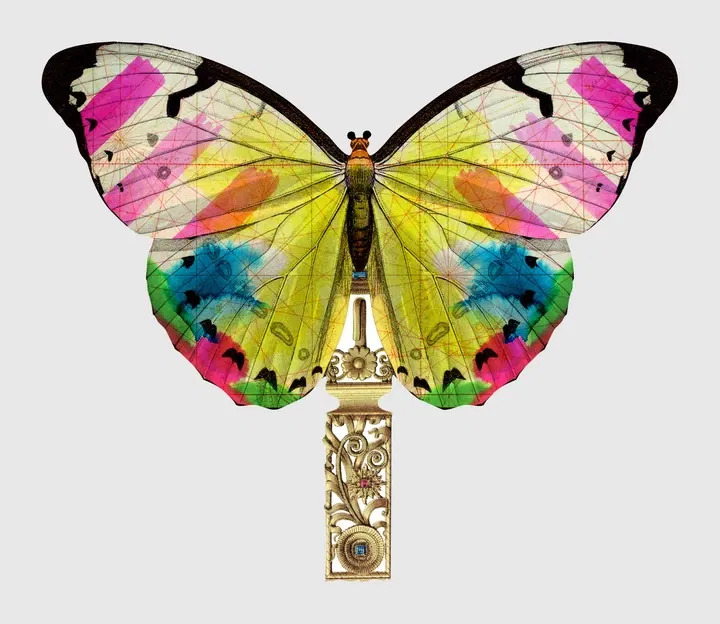
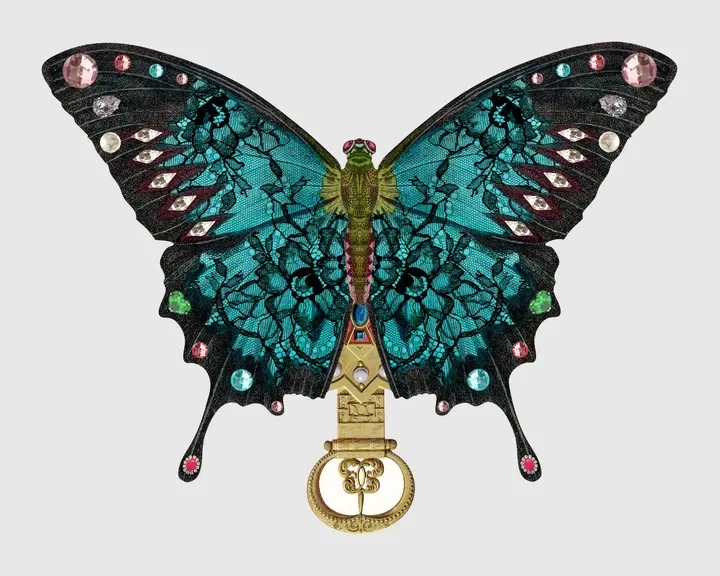
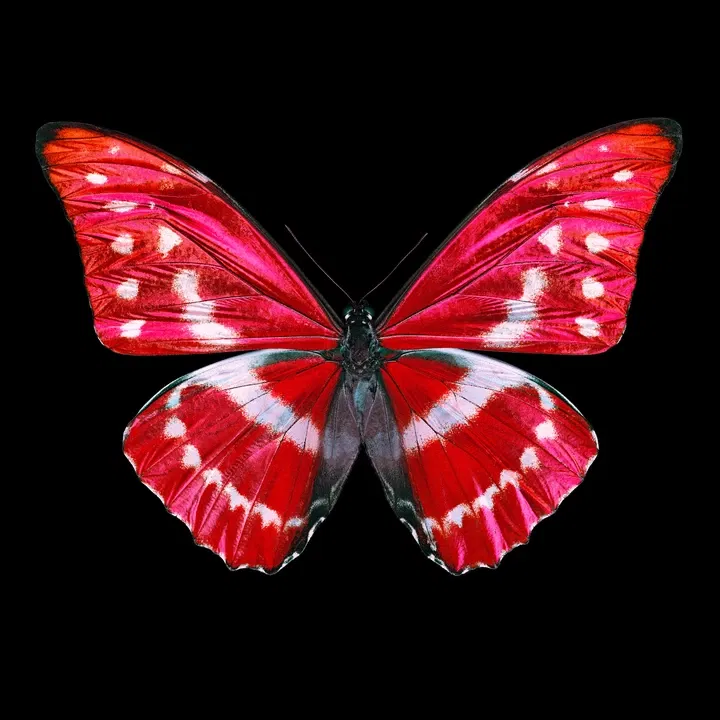
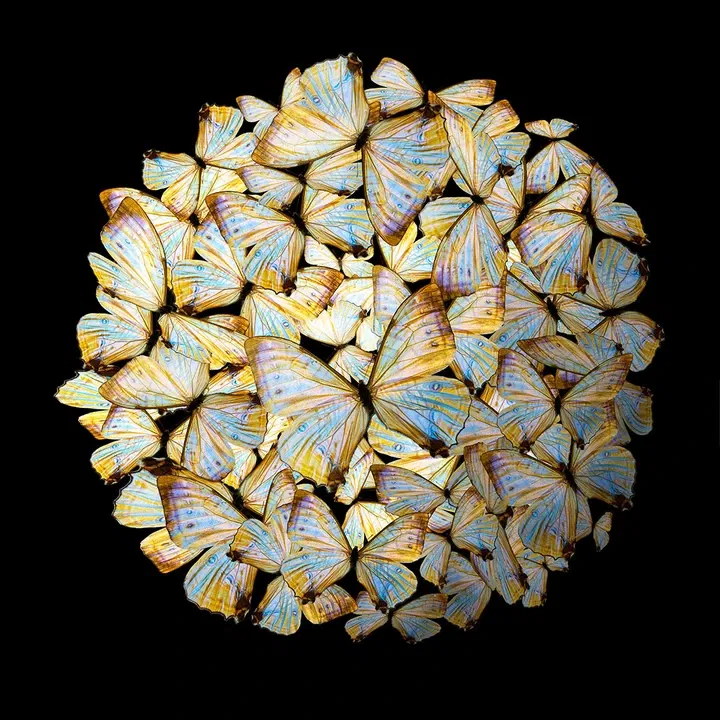
Heiko Hellwig has expanded his existing repertoire with two cut-out butterflies, making nature’s splendor accessible in a new way. These butterflies are elegantly mounted under acrylic glass, a perfect way to accent their delicate and colorful beauty. They are typical Hellwig artworks, and yet they are different; an impressive combination of natural beauty and an innovative art concept.
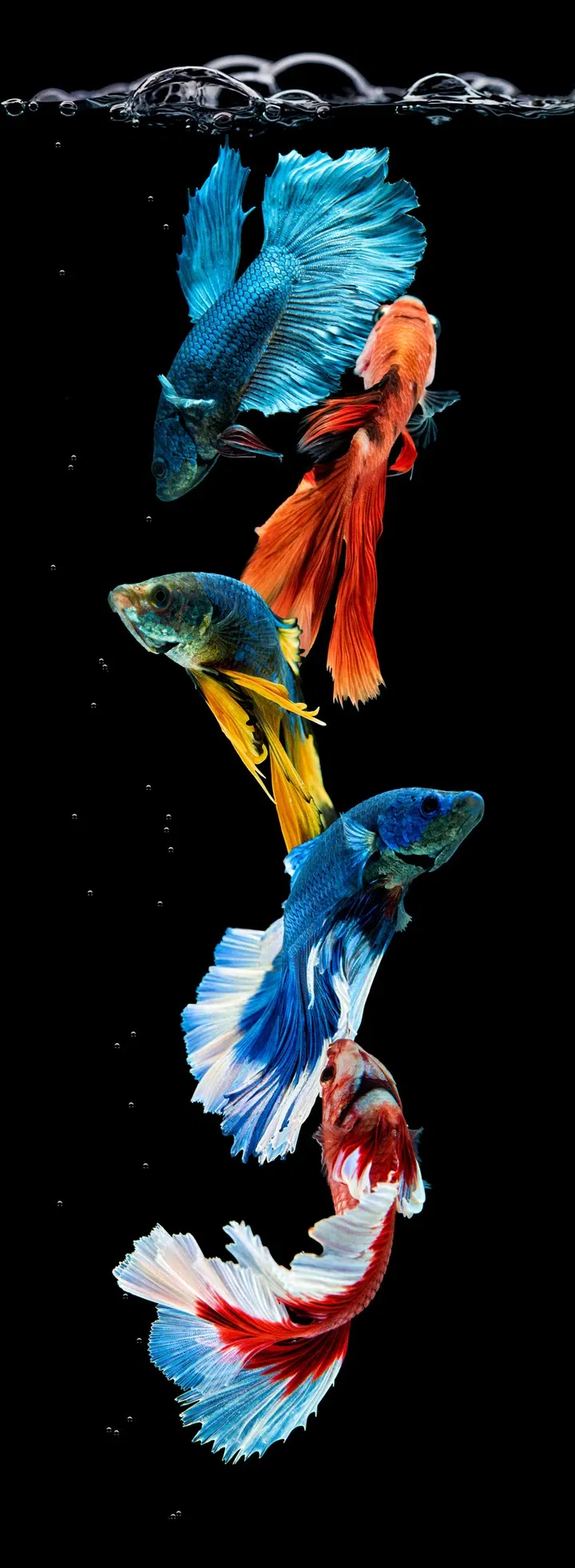
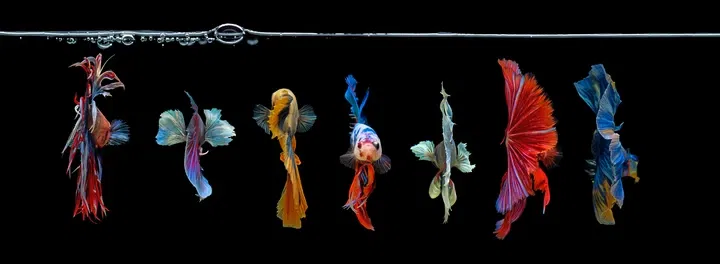
Grand Ballet
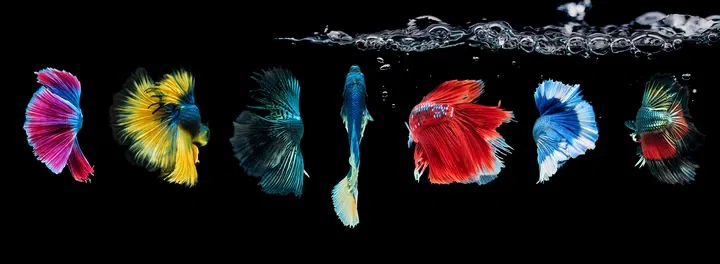
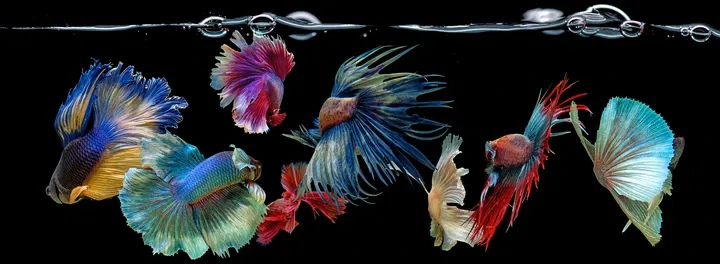
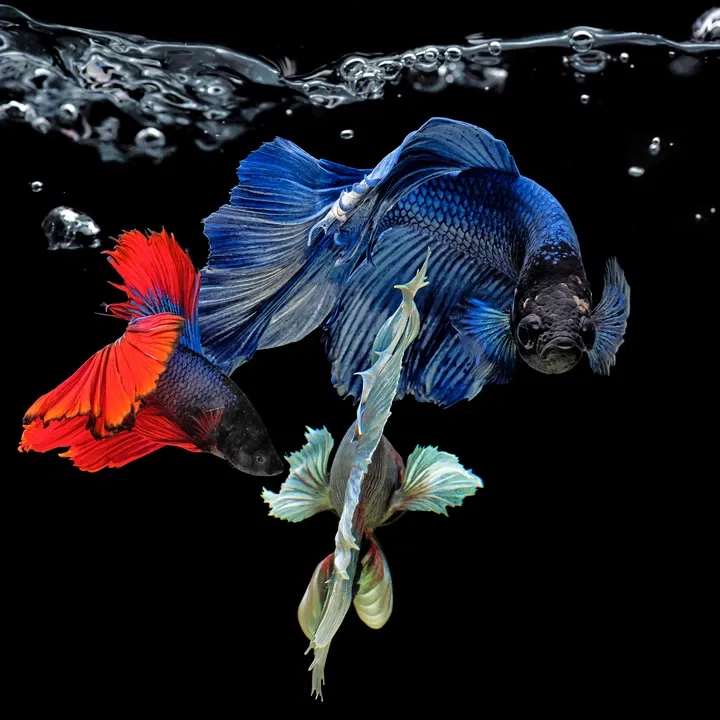
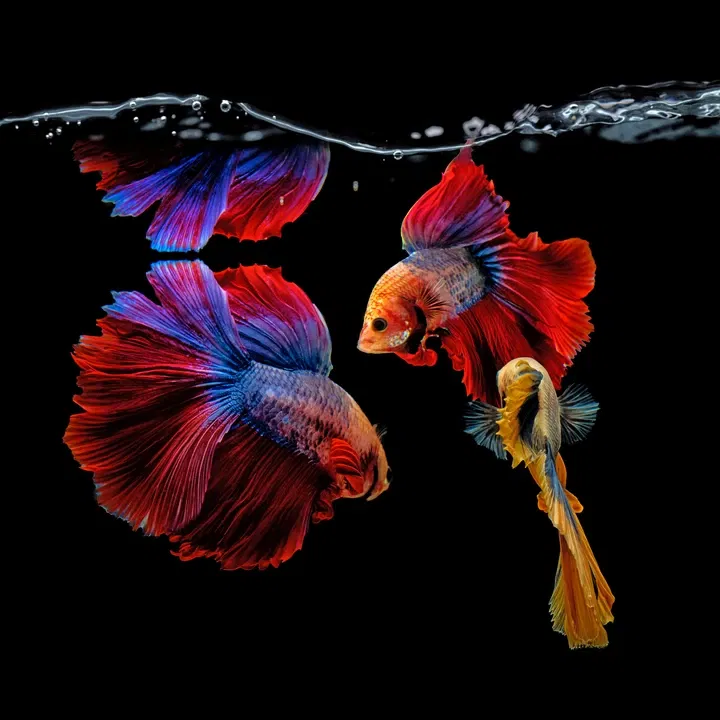
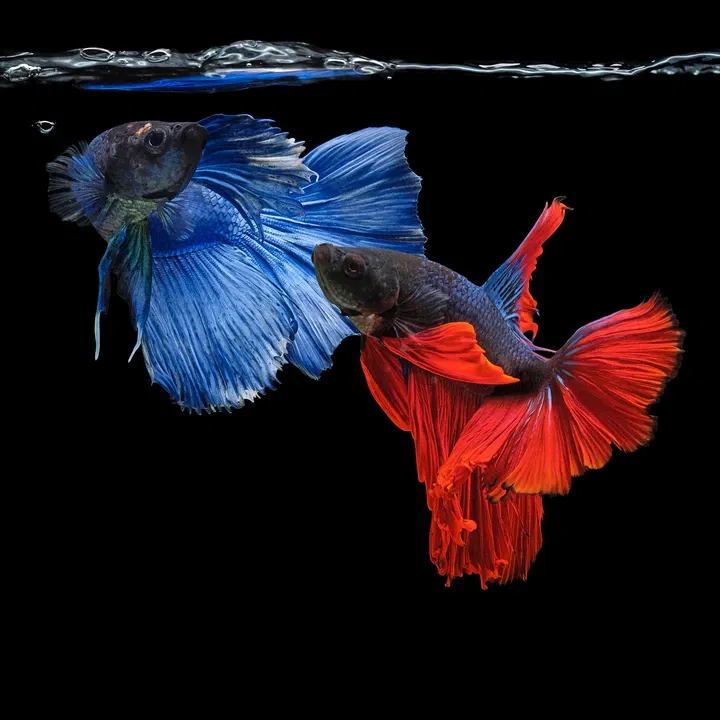
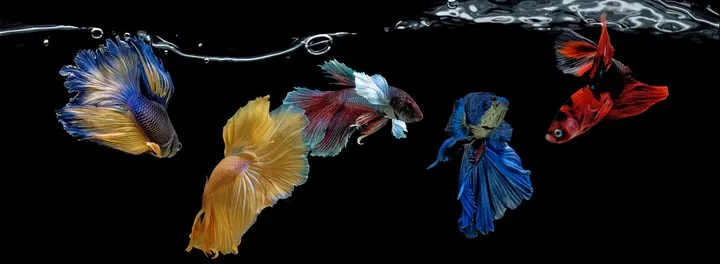
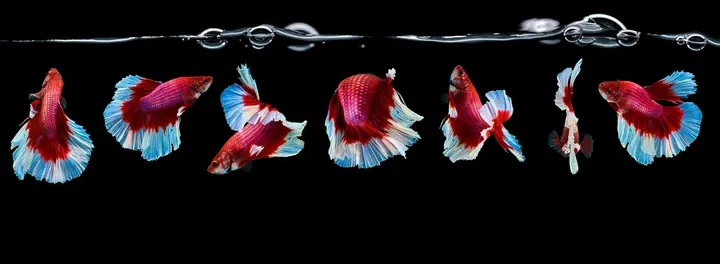
Small ornamental fish are transformed into fine art in Heiko Hellwig’s Grand Ballet series. The photo artist takes a few centimeters of subject matter and transforms into a series of works in epic dimensions. Every detail of the animal can be seen, every scale, every color, and every swell in their elegant fins. Hellwig gives the Southeast Asian fighting fish a stage that does them justice. They are depicted in a minimalist manner against a black background, thus emphasizing the intensity of their color and the gracefulness of their movement. The rippling water positions the fish and cunningly complements their dynamic poses.
These fish have a reputation in Southeast Asia. Their ornamental beauty is highly valued. Their magnificent colors and extravagant fins, that spread out like fans in the water, are beloved like special jewels in the aquarium. The males are known for their competitive behavior, which birthed the species its name. Their confrontations are characterized by spectacular maneuvers, which sometimes resemble the martial arts. The movements are simultaneously ballet and combat.
Rhapsody
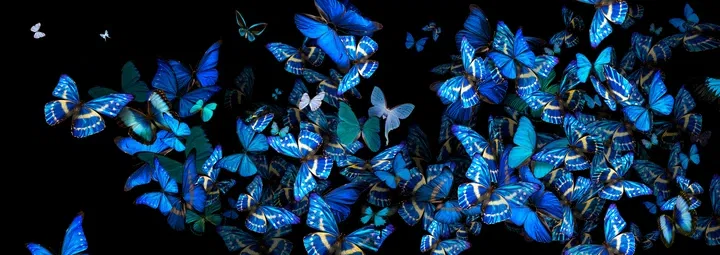
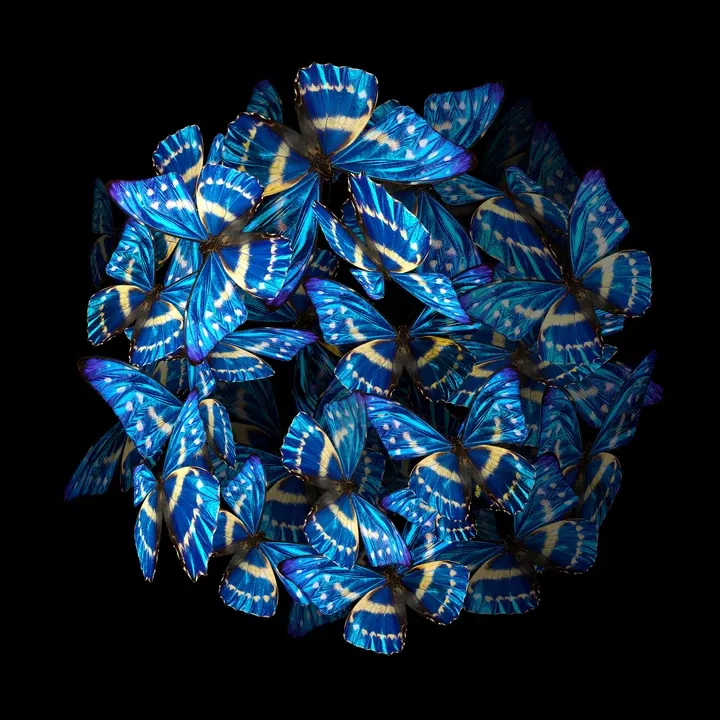
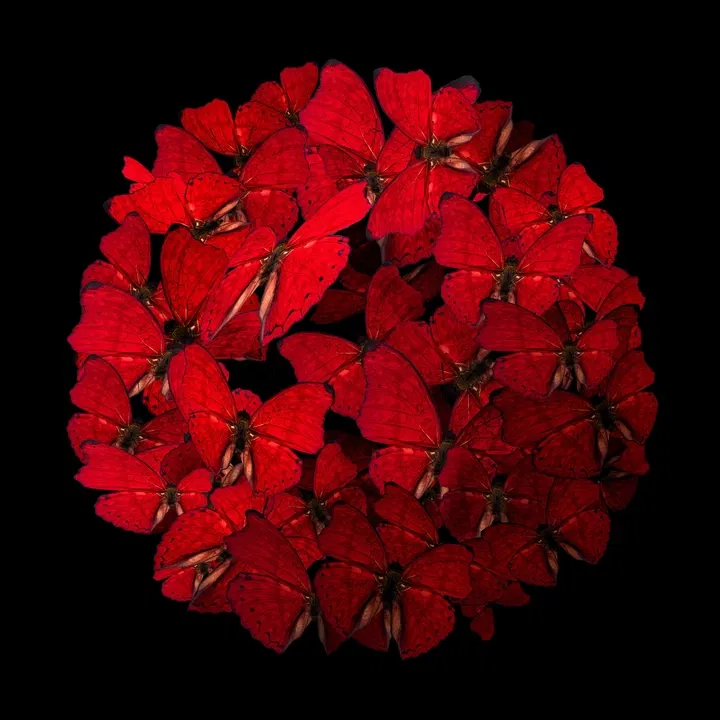
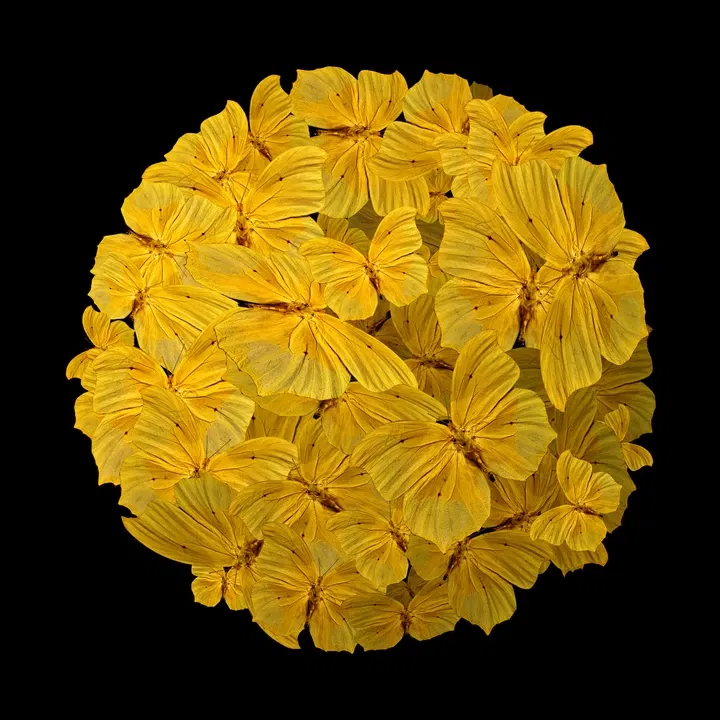
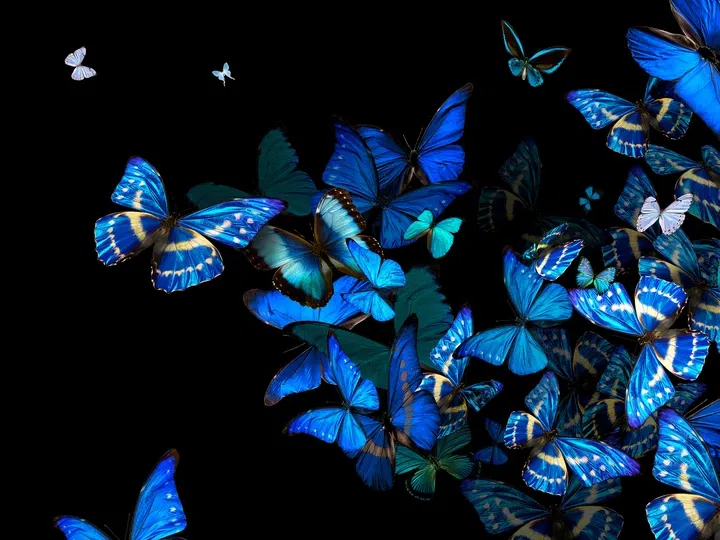
The musical composition of rhapsody inspired Heiko Hellwig when he orchestrated three different species of butterfly into a dynamic ensemble of color. His display reveals the butterflies in loosely assembled groups that find unity in their fascinating beauty. Their brilliant colors harmonize with their fine and delicate forms, creating a pleasant melody that swiftly mesmerizes the viewer.The Rhapsody series is a continuation of themes that the artist has previously visited while working on his Black and Butterfly Grid series. Once again, he takes a minimalist approach, using a sleek black background which fully highlights the butterfly’s beauty. This time, however, he constructs an assemblage assorted in primary colors red, blue, and yellow. This cleverly arranged composition illustrates the animal in a marvelously energetic allure.
Lyonel
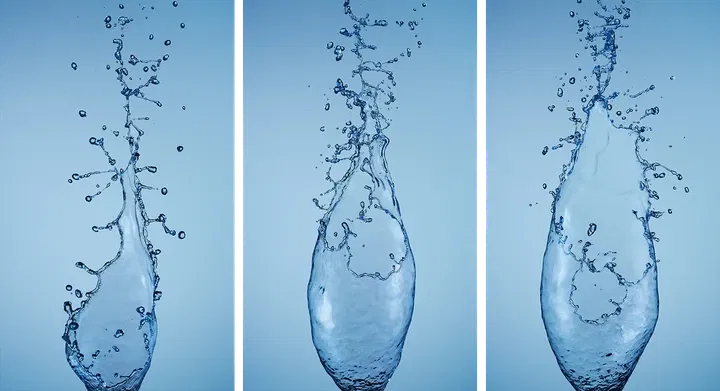
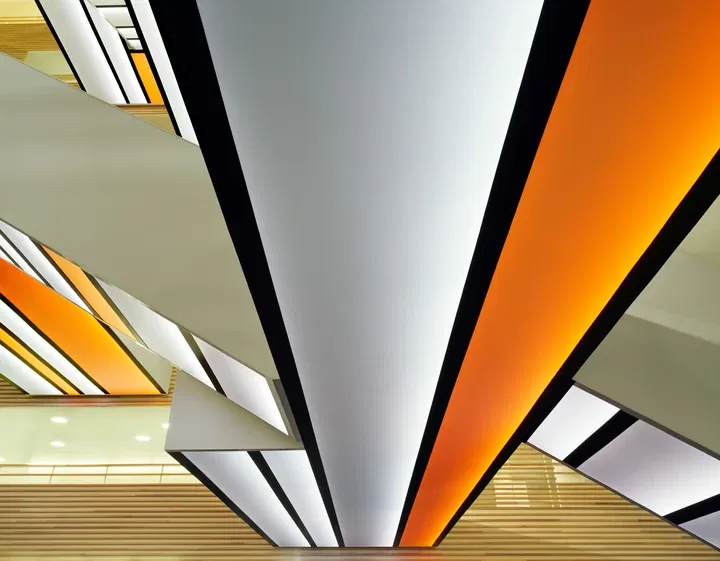
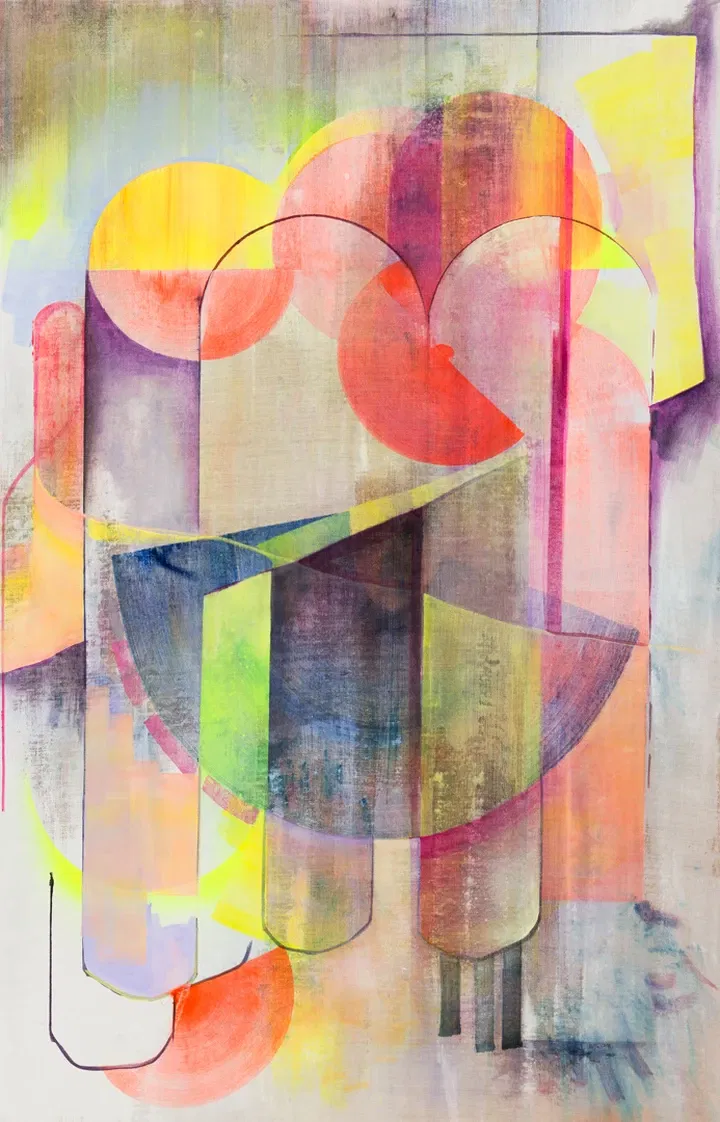
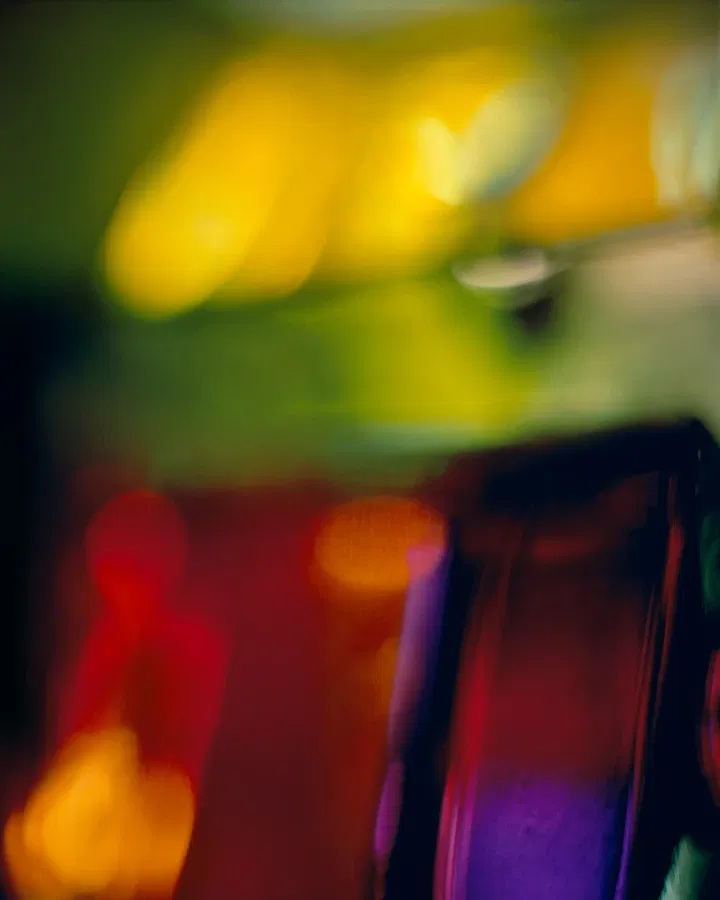
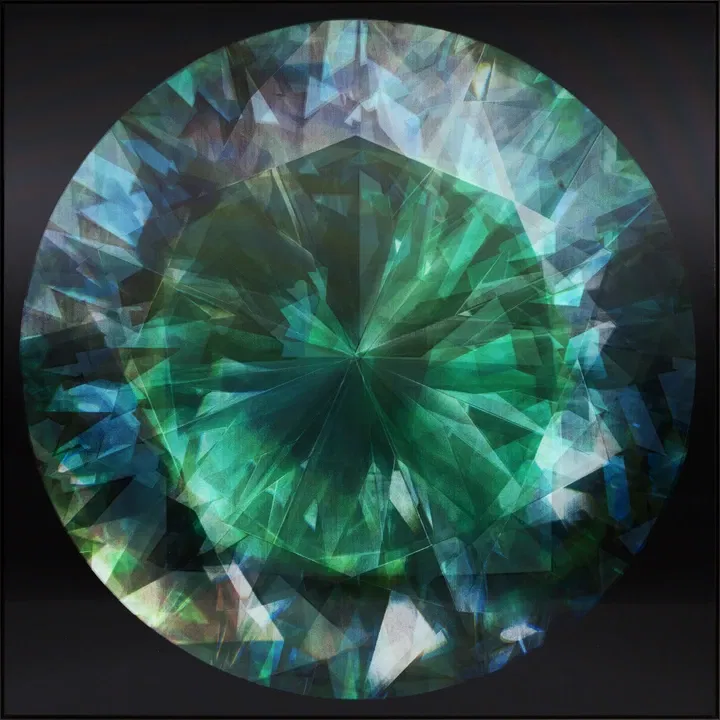
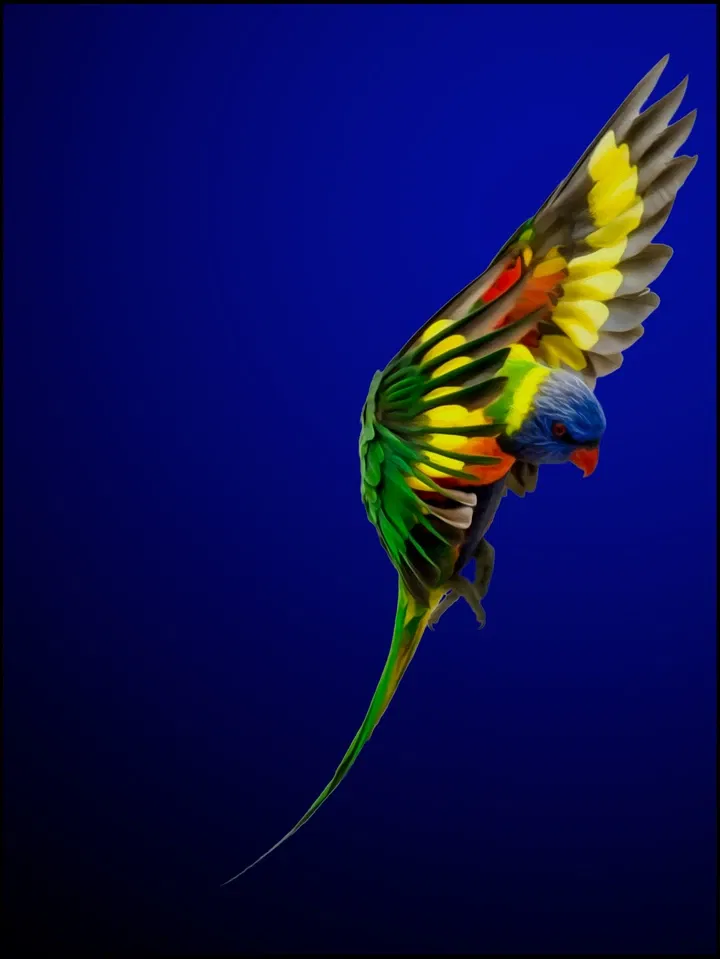
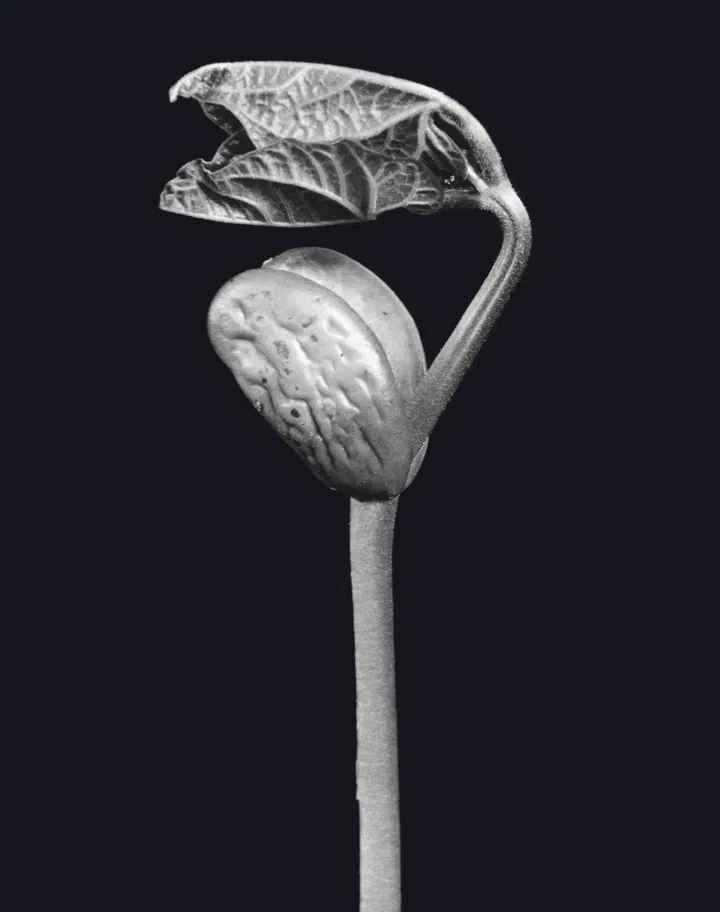
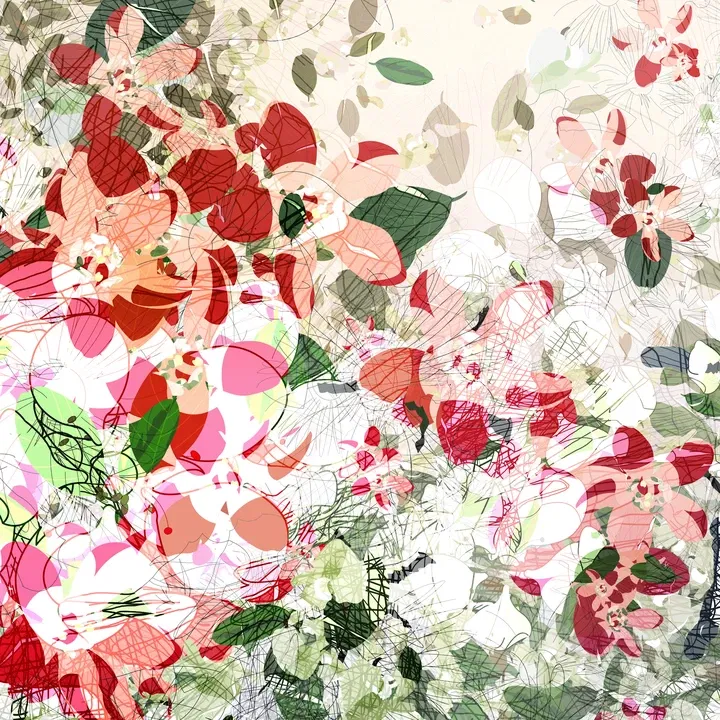
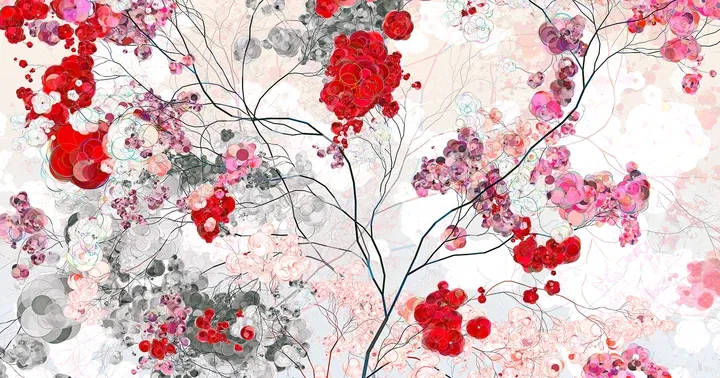
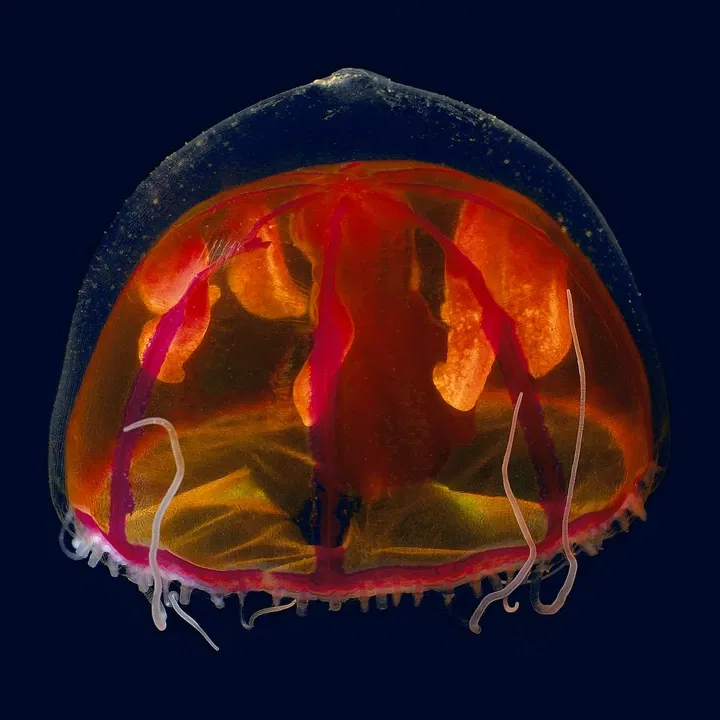
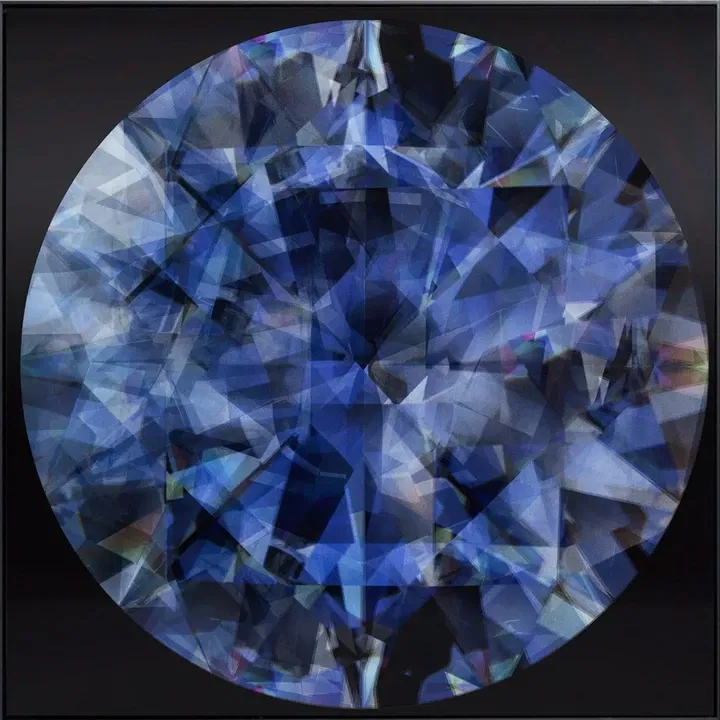
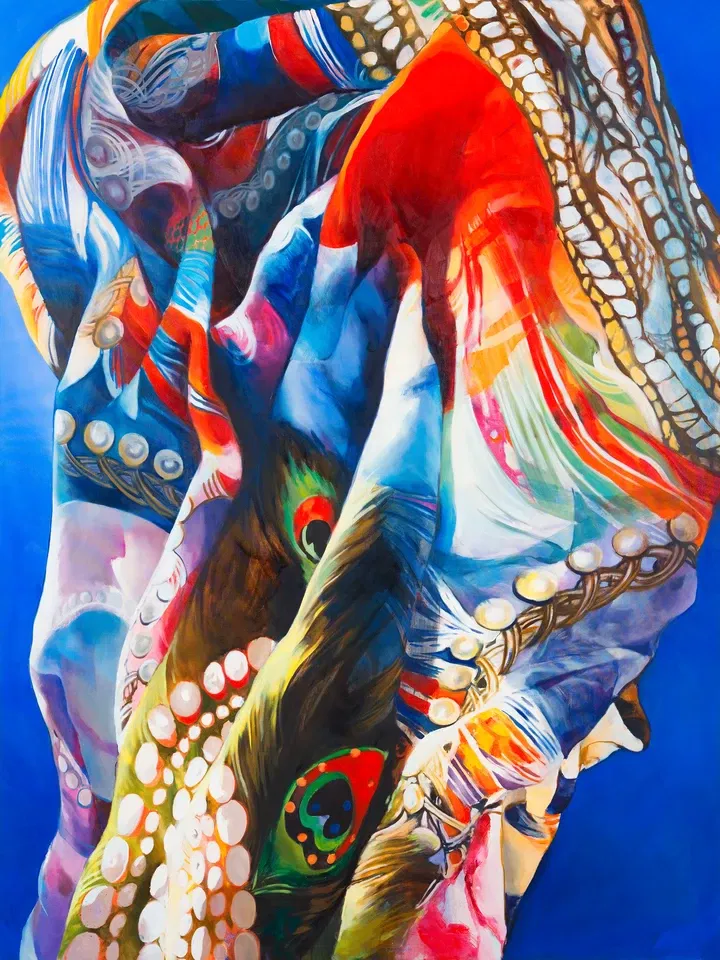
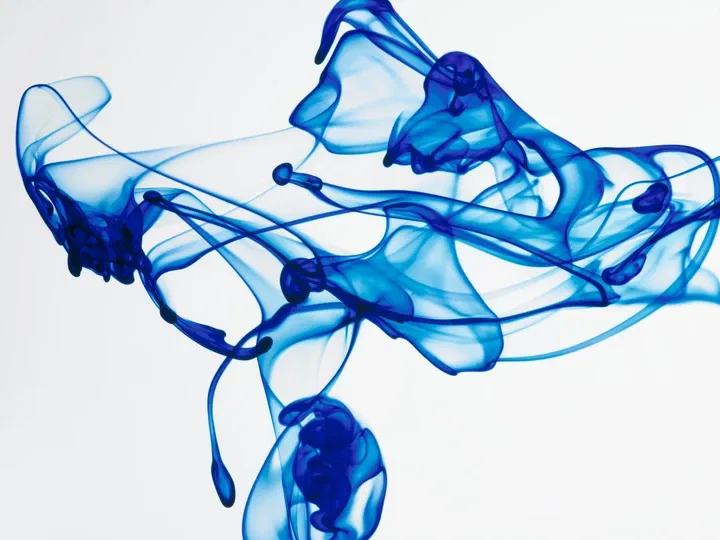
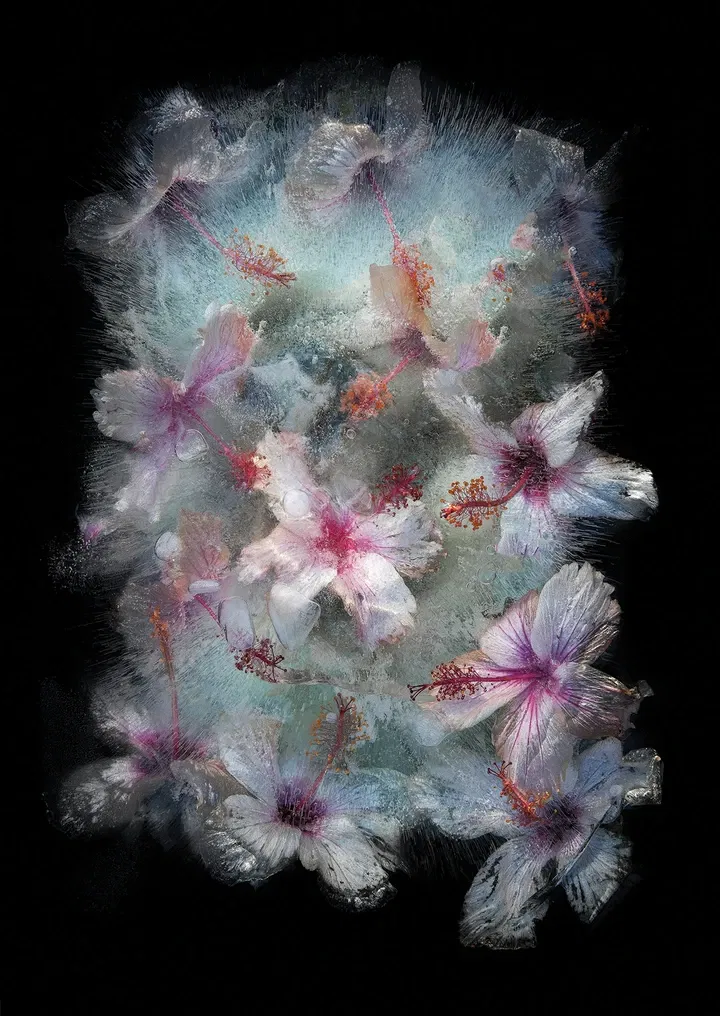
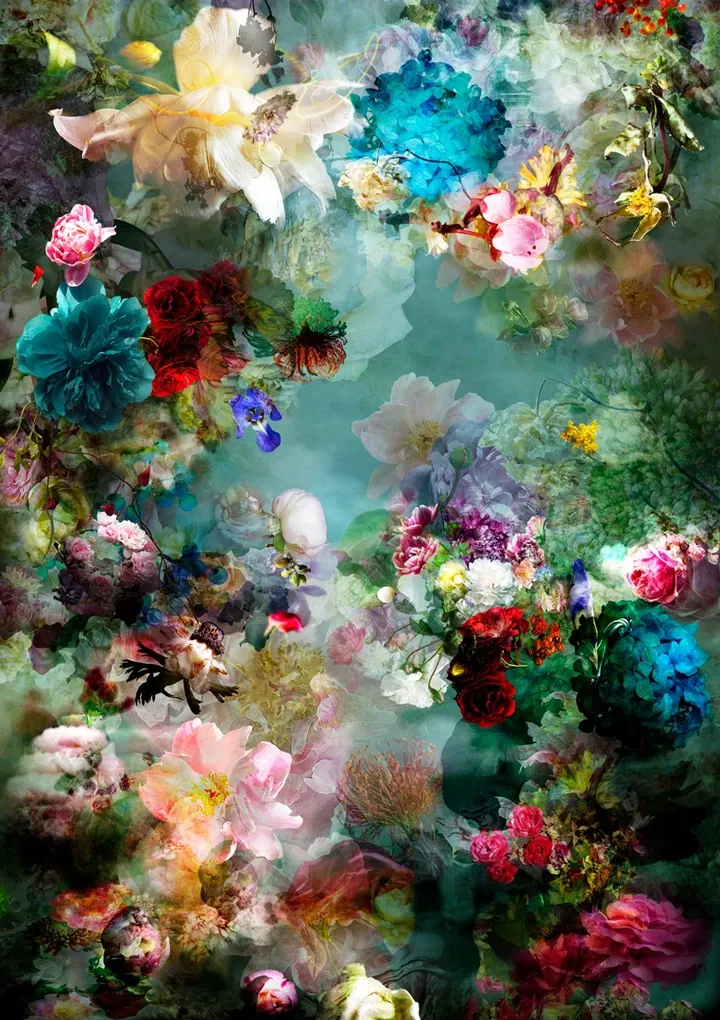
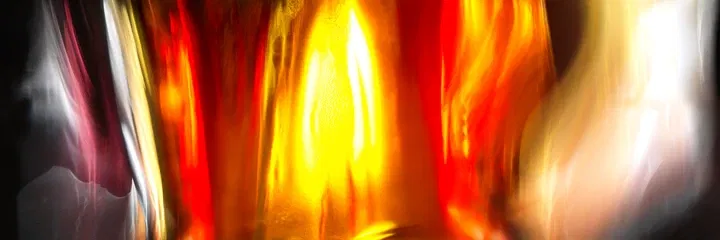
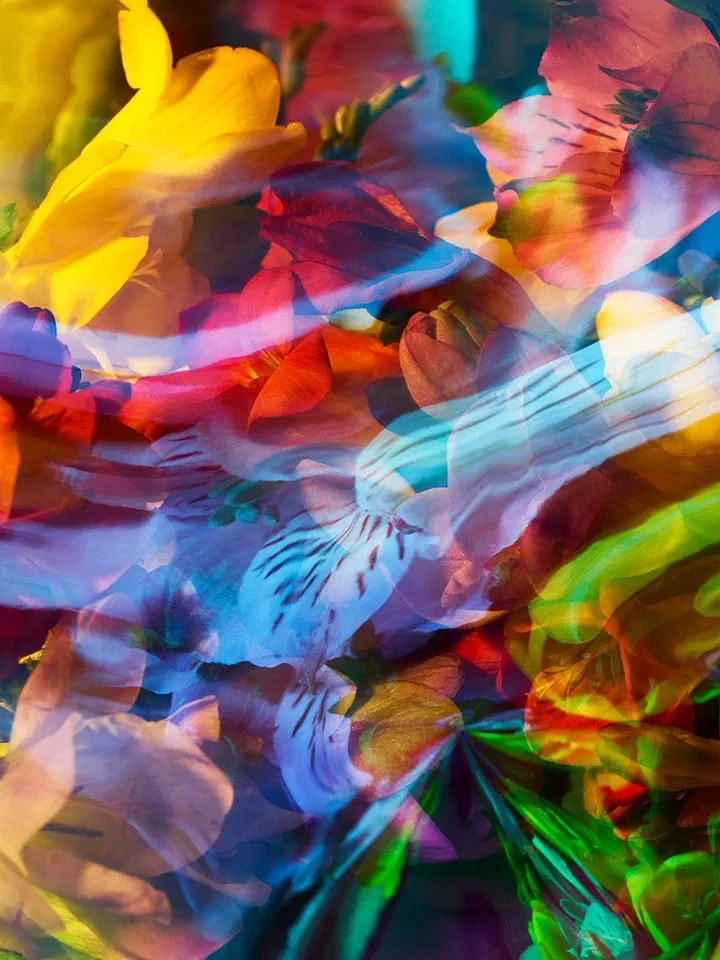
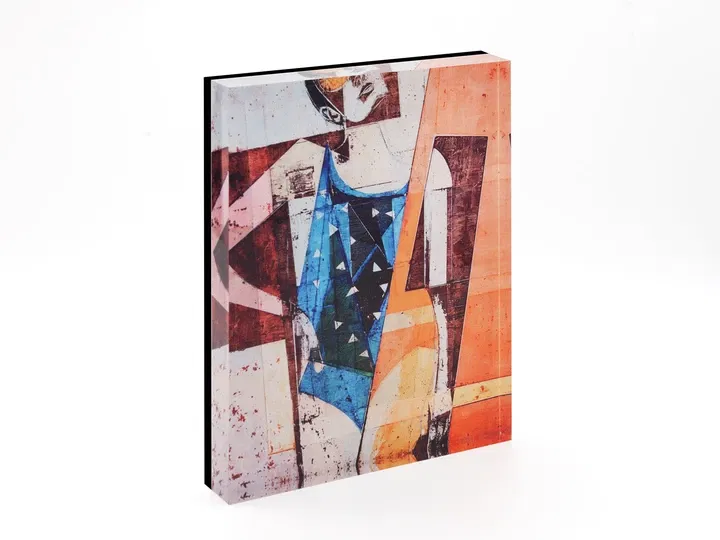
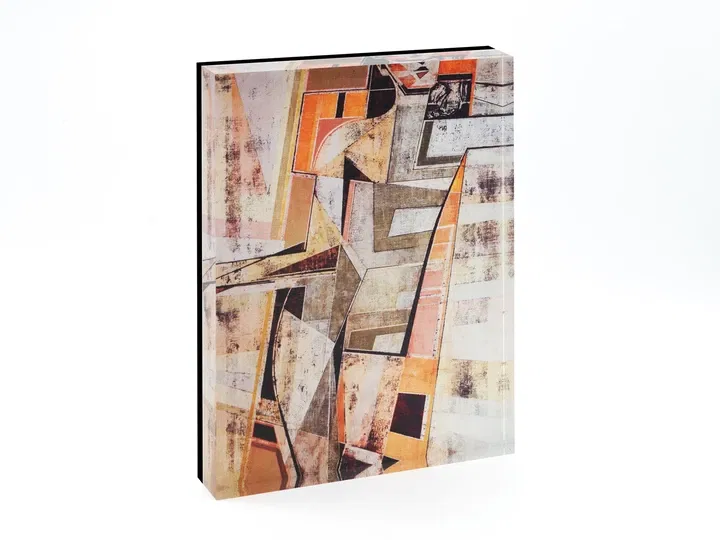
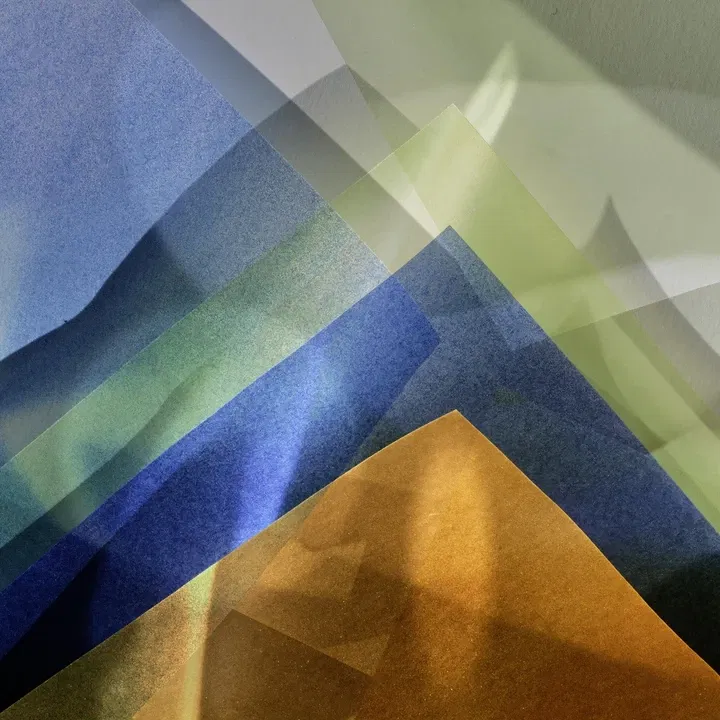
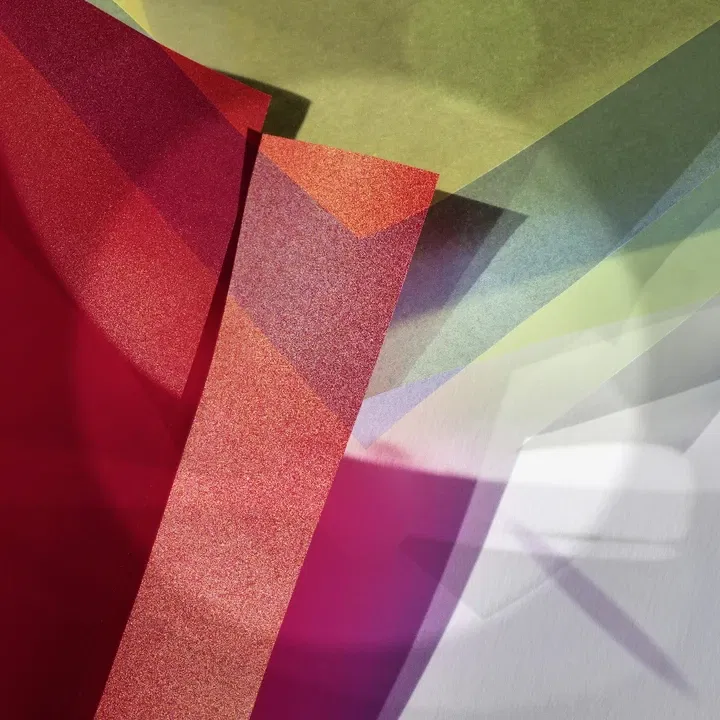
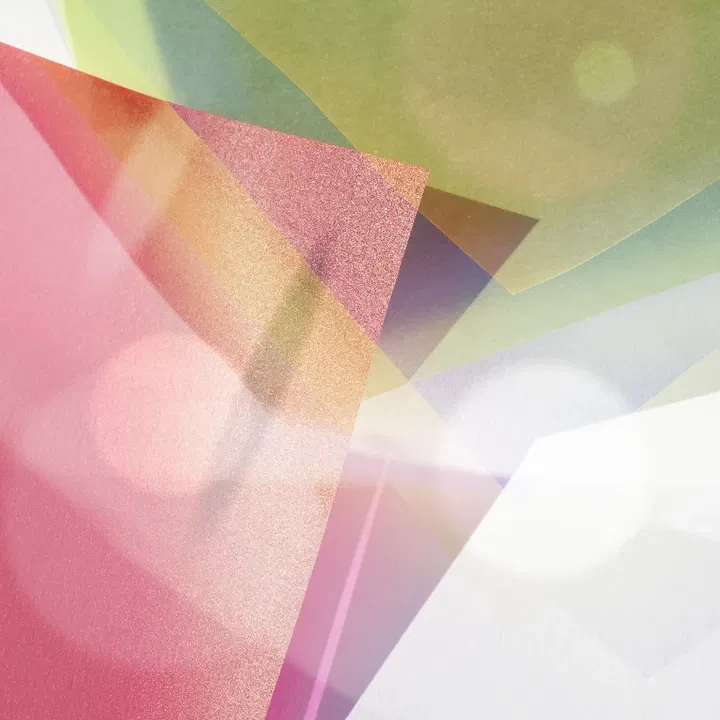
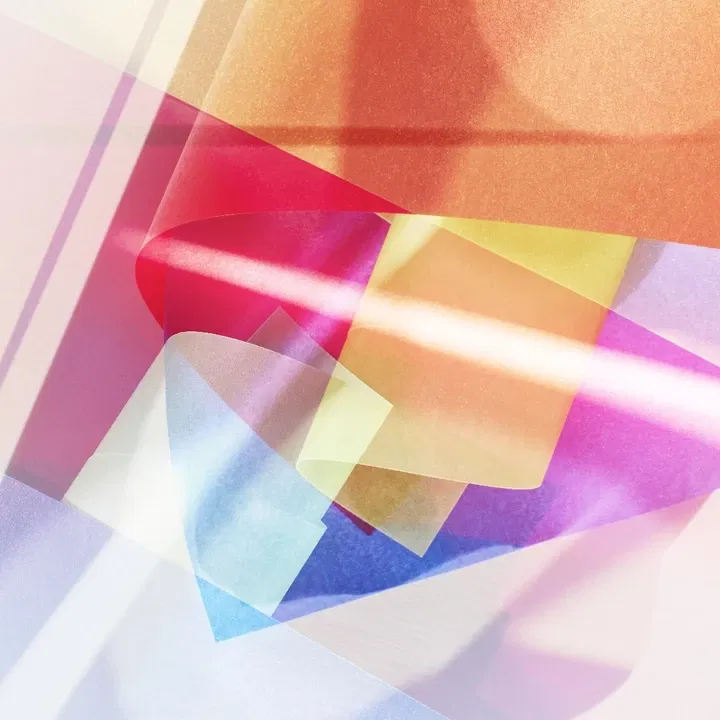
With his latest series, Heiko Hellwig expands his body of work with a quiet, almost meditative study of the interplay between light, structure, color, and form. Inspired by the paintings of Lyonel Feininger and the geometric clarity of Bauhaus aesthetics, he develops a photographic response to the visual thinking of Classical Modernism—crafted in his own artistic language. Light
refracted through glass, mirrors, and prisms creates crystalline effects that echo Feininger's architectural visions. Transparent sheets are arranged into delicate, multilayered compositions, held together in finely balanced tension. What initially appears to be digital overlay is, in fact, purely photographic—achieved solely through the careful orchestration of natural light sources, precisely placed reflections, and meticulous calibration. Instead of dramatic color intensity, the focus here lies on the subtle power of pastel tones. Soft transitions, pinpointed highlights, and geometric fields create a concentrated lightness.
A series through which Hellwig not only remains faithful to traditional
photography but also true to his artistic principle: to reveal the sublime within the seemingly small.
| 2010 | Heiko Hellwig, Galerie Zukunftslabor, Stuttgart, Germany |
| 2014 | Changing Realities, The underground station at Alexanderplatz, Berlin, Germany |
| Gegenlicht 21, Theaterhaus Stuttgart, Stuttgart, Germany | |
| 2012 | Kunst in der Region, Kunstverein Kirchheim, Kirchheim, Germany |