


Unfortunately, this artwork cannot be added to the room view.


Art that mirrors its time
Modern art breaks with rules that held for centuries: colour can stand on its own, forms can dissolve, an everyday object can become a work of art. At LUMAS, you can discover modern art by more than 500 curated artists – as limited, hand-signed editions in gallery-grade quality and as wall art for your home.




What is modern art?
Characteristics of modern art
Modern painting and photography: the key movements
Modern art for your living room and home
Modern art at LUMAS
Timeline and famous examples of modern art
In everyday language, modern art usually means anything that moves away from classical, lifelike representation – from the first dabs of Impressionist colour to today's street art. Art history defines the term more narrowly: its forerunners are late 19th-century artists such as Claude Monet, Paul Cézanne and Vincent van Gogh, who no longer wanted to depict the world but to show perception and feeling. Classical Modernism itself spans roughly 1900 to 1945.
Art created from the 1960s onwards is known as contemporary art – the art of the present. Both terms share an attitude: a modern picture does not have to please in order to have an effect. It questions, provokes, invites reflection and leaves room for your own interpretation. If you would like to explore the great names of these eras, you will find an overview of famous artists.
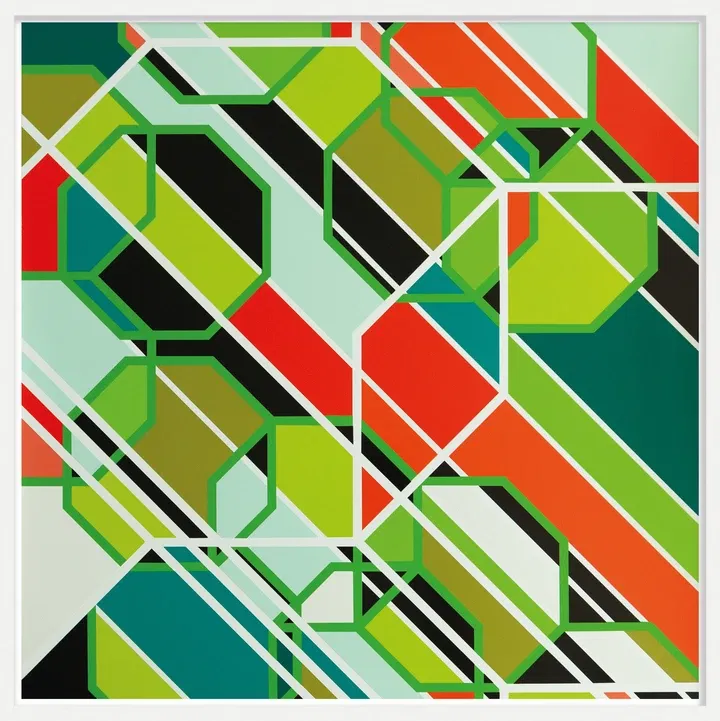


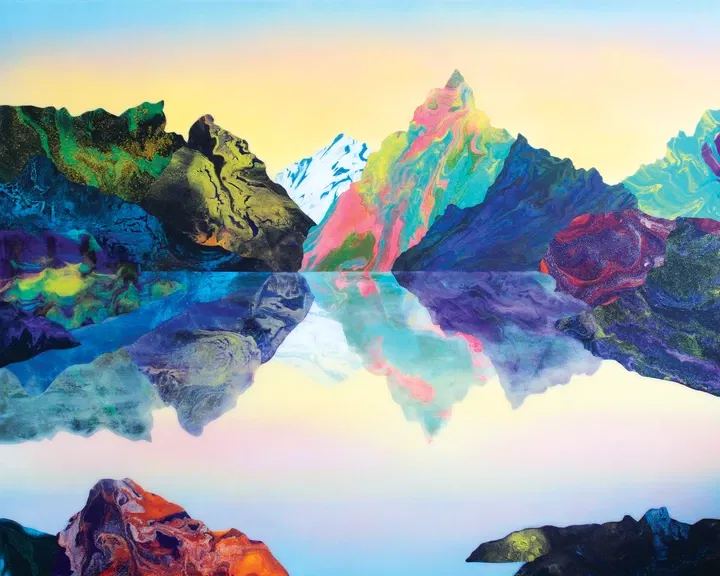

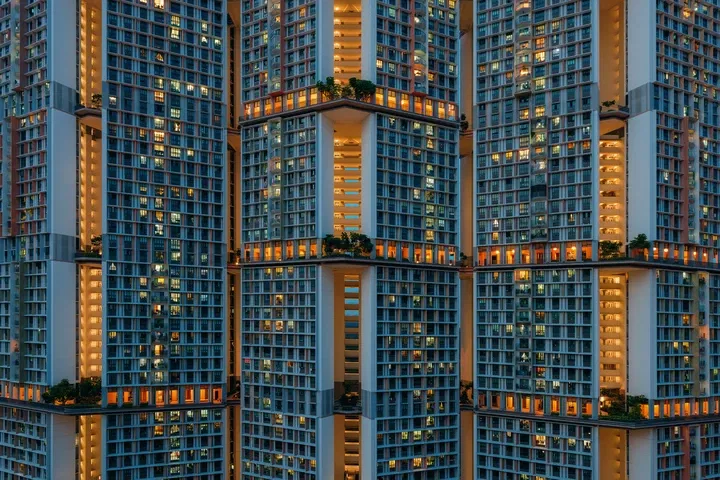

Different as the movements are, modern artworks share a few fundamental traits. The artist's personal signature counts for more than an exact rendering of reality. Colour and form become independent: they can glow, contrast or break away from the object entirely – all the way to abstract painting. New materials and techniques such as collage, photography, screen printing and the readymade expand the idea of what a picture can be. And finally, perhaps the most important trait: modern art is open to interpretation – the viewer completes the work.
Impressionism, which captures light and the fleeting moment in quick brushstrokes, is regarded as the forerunner. From 1900, the movements of Classical Modernism follow: Expressionism makes inner emotions visible through bold colour, while Cubism, led by Pablo Picasso and Georges Braque, breaks objects down into geometric planes. Surrealism brings dreams onto the canvas, and the Bauhaus unites art, craft and design in a clear visual language.
After 1945, the centre of the art world shifts to New York: Abstract Expressionism with Jackson Pollock and Mark Rothko, Pop Art with Andy Warhol and Roy Lichtenstein, the pared-back rigour of Minimal Art. With Keith Haring and Jean-Michel Basquiat, the street finds its way into the galleries – a legacy that lives on in today's urban art.
In this period, modern photography also breaks free from documentation and becomes an artistic medium in its own right – from the experiments of the Bauhaus to the large-format works of the present day. Find out more in our history of photography and in our black and white art.

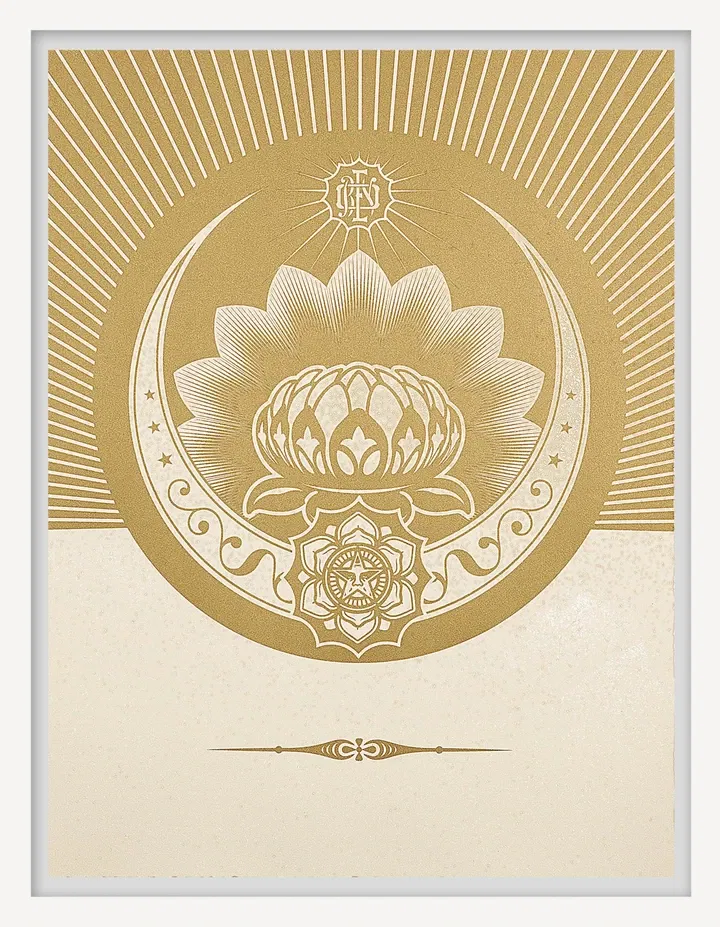
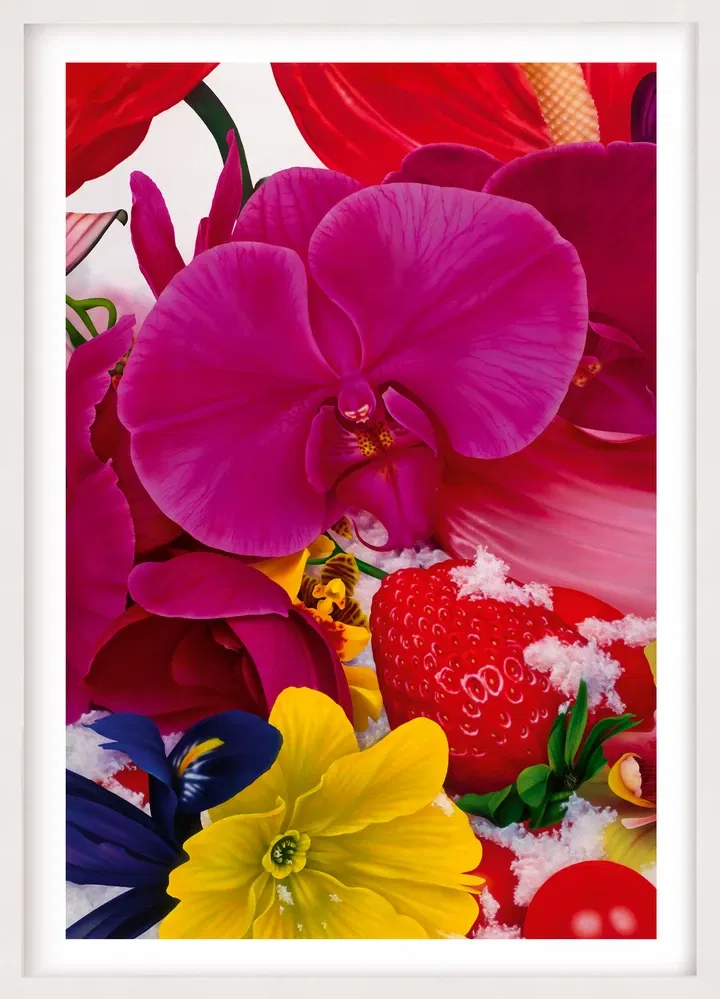
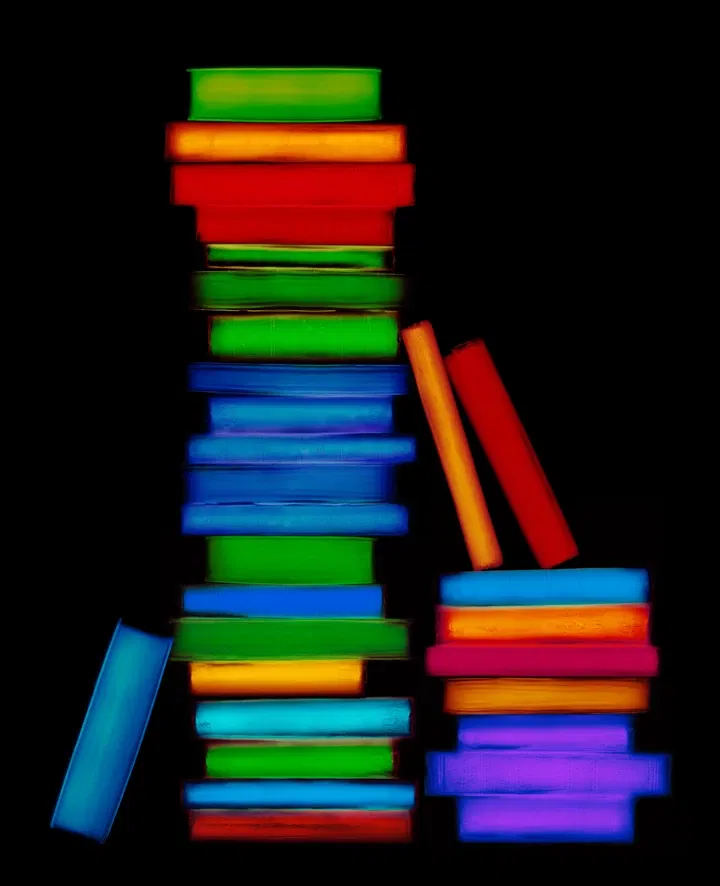
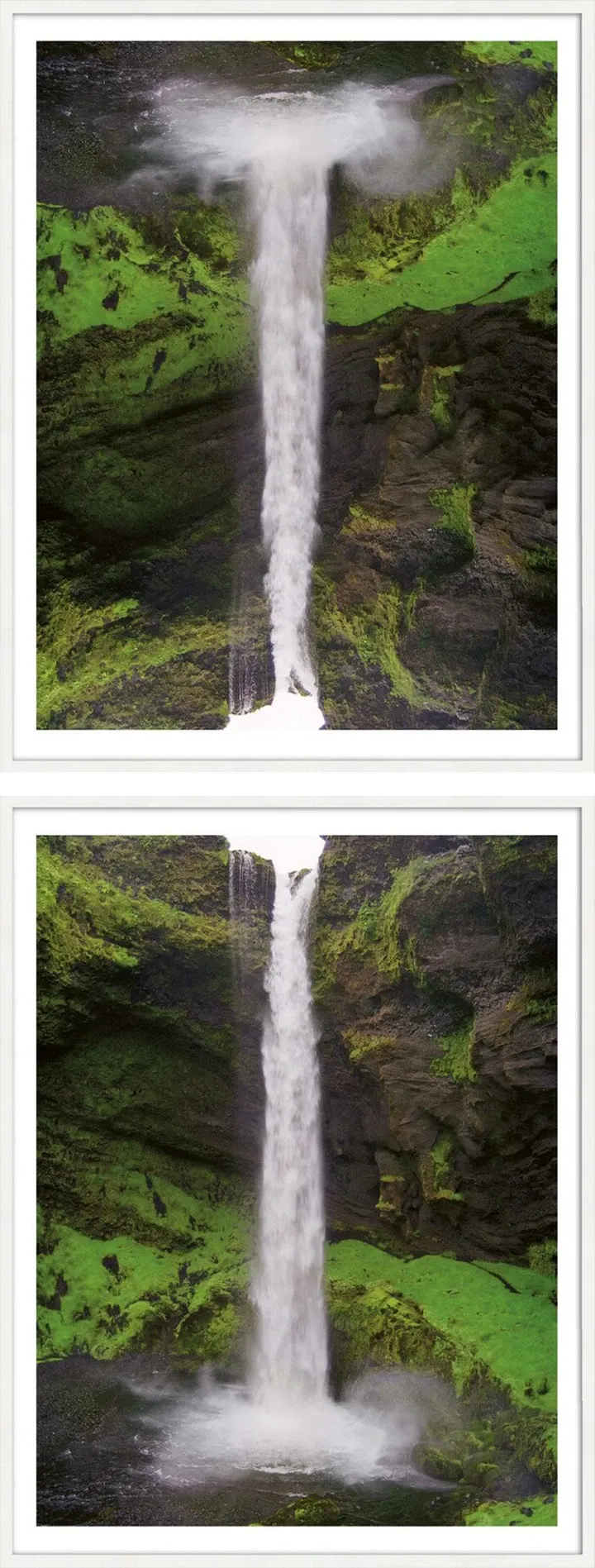

A modern picture gives a room character. Above the sofa, a large-format work creates a calm focal point, while smaller formats hung as a series come into their own in a hallway or study. As an acrylic glass print, bold colours gain depth and brilliance; in a classic frame, reduced and monochrome works appear particularly clear. Whether abstract, figurative, with flowers or animals: you will find more inspiration in our living room art.
Since 2004, LUMAS has offered limited, hand-signed editions by more than 500 curated artists – almost exclusively modern and contemporary works. Well-known names of contemporary art sit alongside new discoveries: Leila Rose Fanner and Martta Garcia translate colour and line into a deeply personal visual language, Bahar Artan Oskay reinterprets Pop Art with her cut-outs in a contemporary way with a touch of vintage, Anton Sparx uses lenticular technology to set his motifs in motion depending on the viewing angle, and the Mexican duo Paul Fuentes combines a pop aesthetic with surreal humour. With open editions after Jean-Michel Basquiat and Keith Haring as well as works by Jeff Koons, you will also encounter icons of modern art.



| 1905 | The Fauves around Henri Matisse exhibit at the Salon d'Automne in Paris; in Dresden, the artists' group Die Brücke is founded. |
| 1907 | Pablo Picasso paints Les Demoiselles d'Avignon, paving the way for Cubism. |
| 1915 | Kazimir Malevich shows his Black Square, an icon of non-objective art. |
| 1916–1917 | Dada is founded at the Cabaret Voltaire in Zurich. In 1917, Fountain – the first readymade, usually attributed to Marcel Duchamp – is created. |
| 1919 | Walter Gropius founds the Bauhaus in Weimar. |
| 1924 | André Breton publishes the first Surrealist Manifesto. |
| 1937 | The National Socialists defame modern art in the Munich exhibition Degenerate Art. In the same year, Picasso paints Guernica. |
| From c. 1947 | Abstract Expressionism in the USA: Jackson Pollock develops his drip paintings, Mark Rothko his colour field painting. |
| 1955 | The first documenta in Kassel restores modern art to its place in Germany. |
| 1962 | Andy Warhol shows his Campbell's Soup Cans and creates his first Marilyn screen prints – Pop Art becomes a mass phenomenon. |
| 1980s | Jean-Michel Basquiat and Keith Haring bring street art and Neo-Expressionism into New York's galleries. |
| 2004 | LUMAS is founded in Berlin with the idea of making limited, hand-signed editions of contemporary art accessible to more people. |
| 05/2019 | Jeff Koons' sculpture Rabbit sells at Christie's in New York for around US$91 million – at the time the highest auction price for a work by a living artist. |
