Introduction
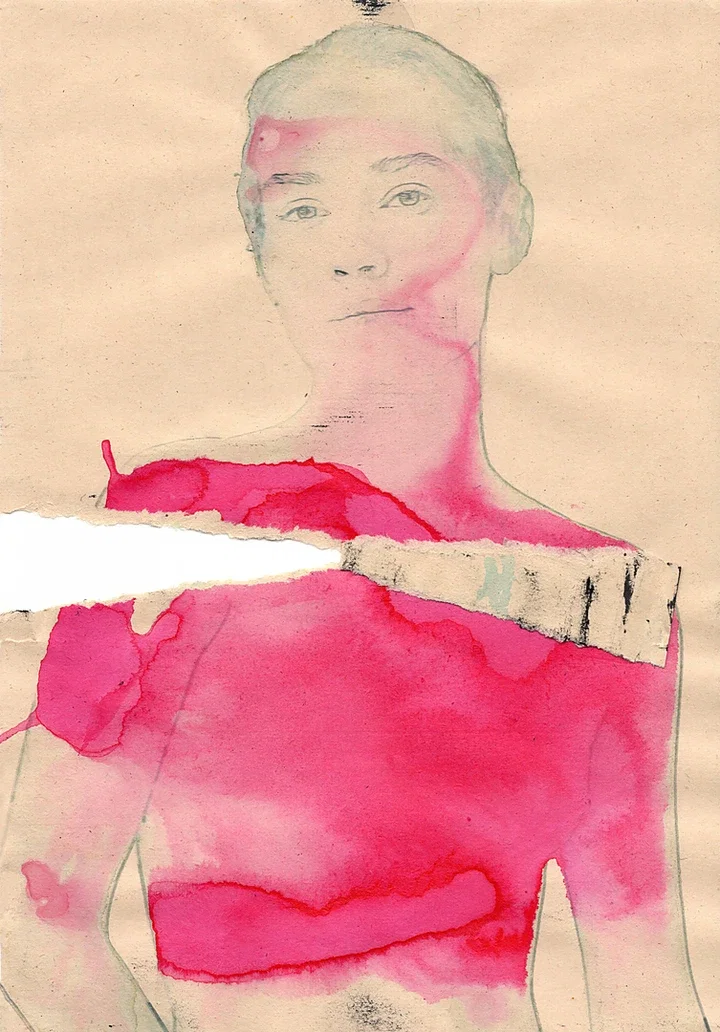
Marianna Gefen works with a range of pencils, charcoal, ink — and the watercolour set she received for her fifth birthday. One thing rarely found on her desk, however, is a blank sheet of white paper.
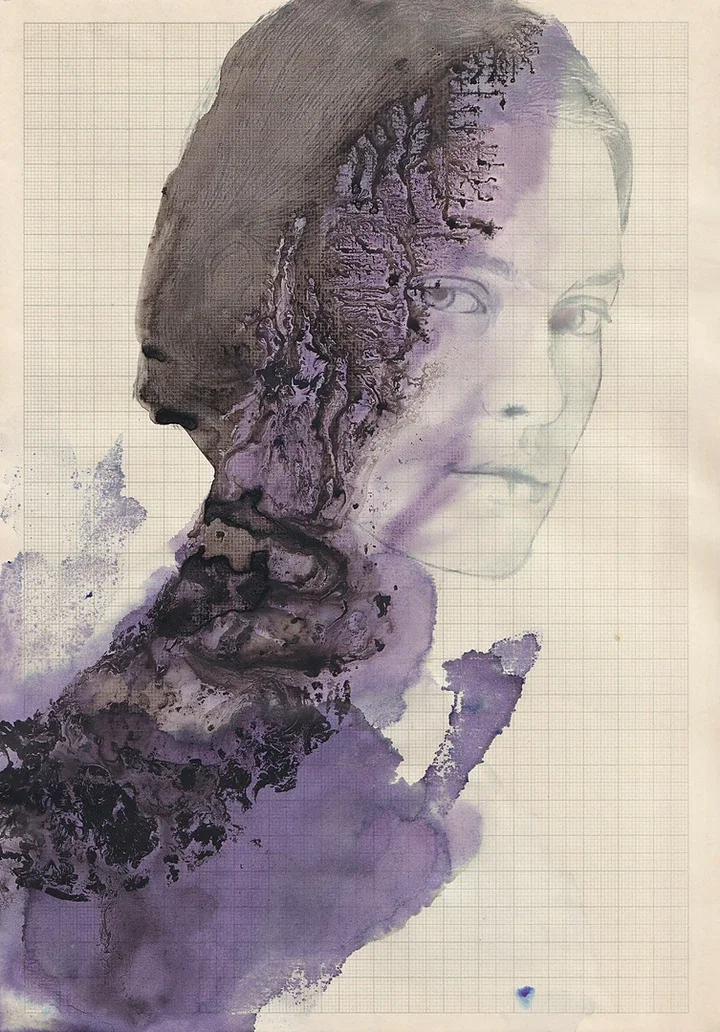
Gefen is drawn to paper that already has a past. Every sheet has been somewhere before it reaches her: at a flea market in Spain, in an old stationery shop, in a school notebook from the former GDR. Stains, notes, or traces left by previous hands are not imperfections to her. They are the beginning.
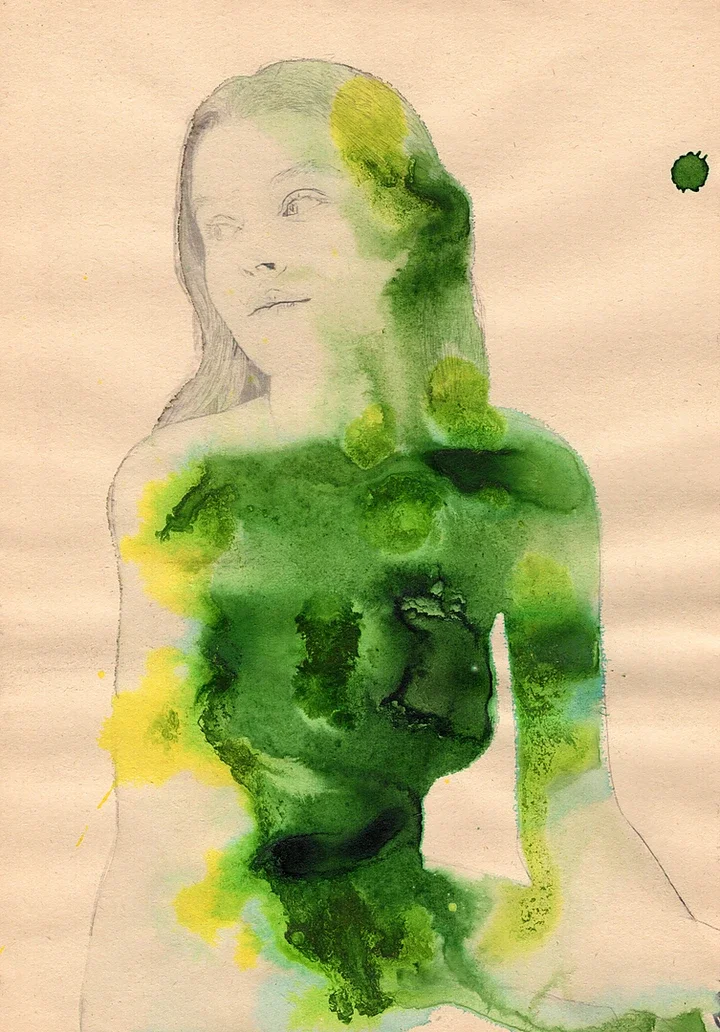
Moving between fine art and illustration, Gefen has developed a visual language that thrives on this openness to the unplanned. She often works on several pieces at once, building them layer by layer. Each material brings its own character, texture, and history. Gefen begins with an idea without anticipating its conclusion. She determines the direction, not the destination. Spontaneity, chance, and even mistakes are given room to alter the course of a work. Rather than resisting the unforeseen, she makes it a productive part of her art. The image thus evolves through an interplay of decision and discovery.
Nor does she try to force inspiration. “I don’t necessarily look for inspiration. I tend to collect impressions,” the artist says. People, landscapes, colours, surfaces, and incidental situations can remain in her memory for a long time before resurfacing elsewhere. The fact that Gefen has lived in different places and travelled extensively is therefore an intrinsic part of her visual thinking. For her, memory functions less like an ordered archive than a collage: impressions overlap, shift context, and form new connections.
Against this background, her admiration for Sophie Calle, whose work renders the boundaries between art and lived reality permeable, seems entirely consistent. Gefen’s art likewise draws its tension from its closeness to life. People, places, and everyday observations are not simply depicted, but filtered through memory, material, and artistic intuition.
The flexibility of this visual language is also evident in Gefen’s international work for clients such as Vogue Italia, The New York Times, The Washington Post, The Wall Street Journal, the United Nations, and MIT. Across fashion, culture, society, and political subjects, she continually finds new contexts for her distinctive hand. Fine art and applied illustration are not opposites in her practice, but two fields of the same ability: to look closely and transform complex impressions into a visual narrative of her own.
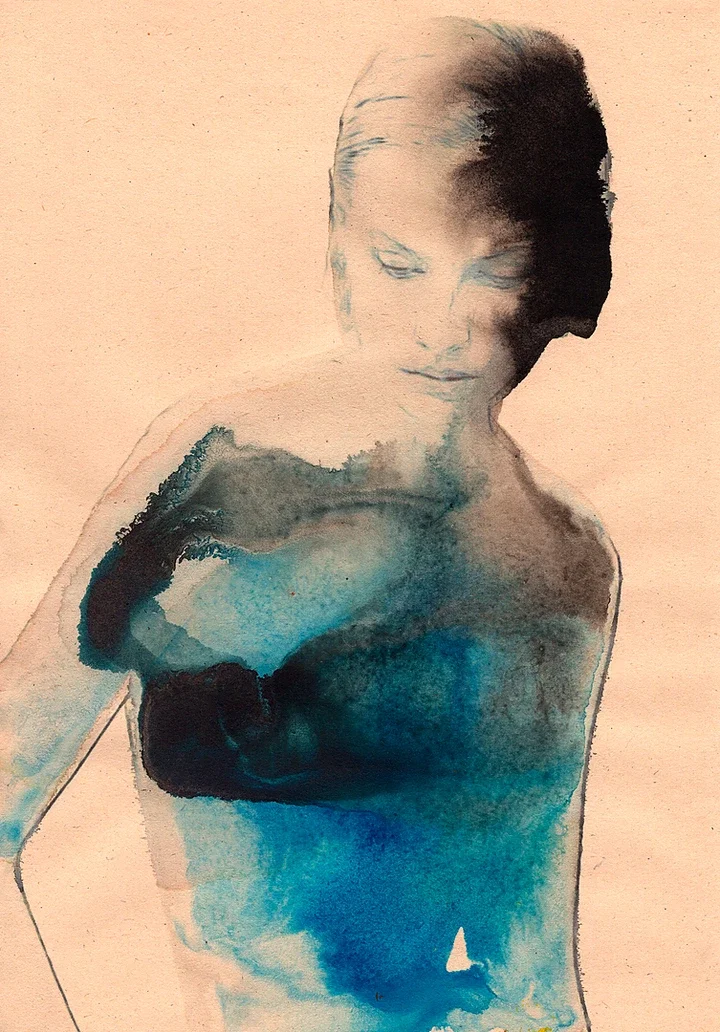
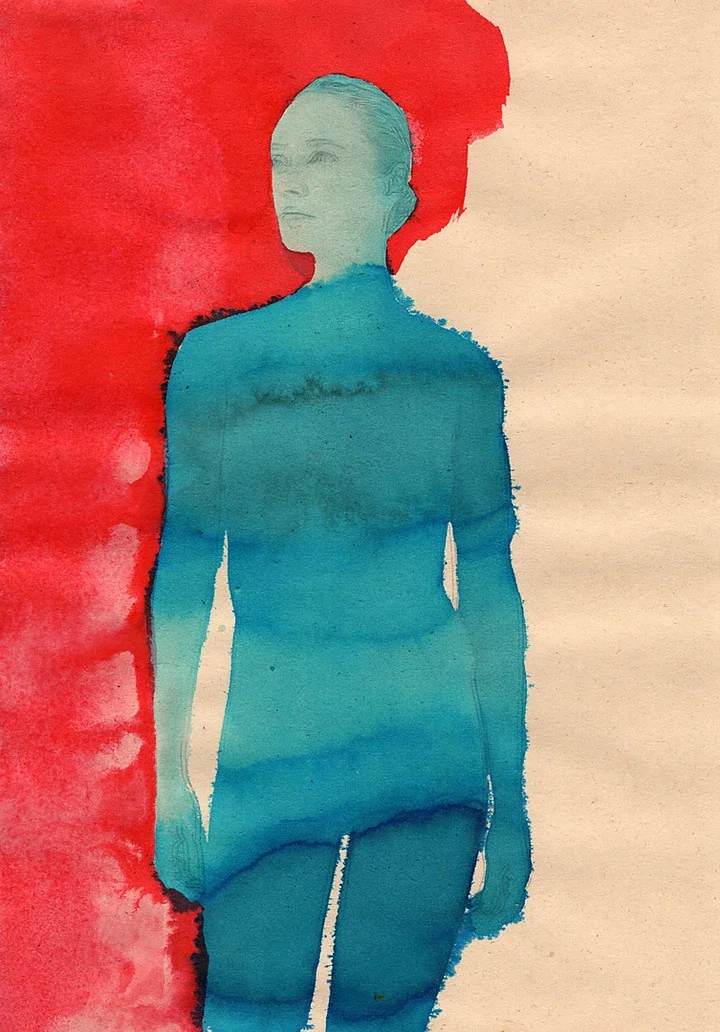
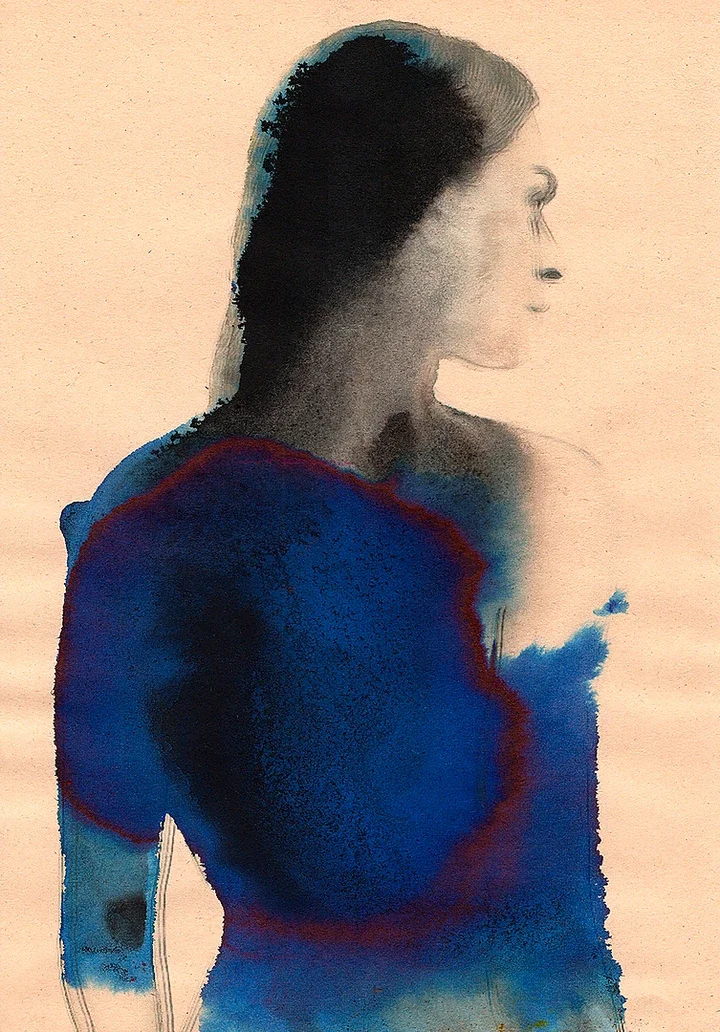
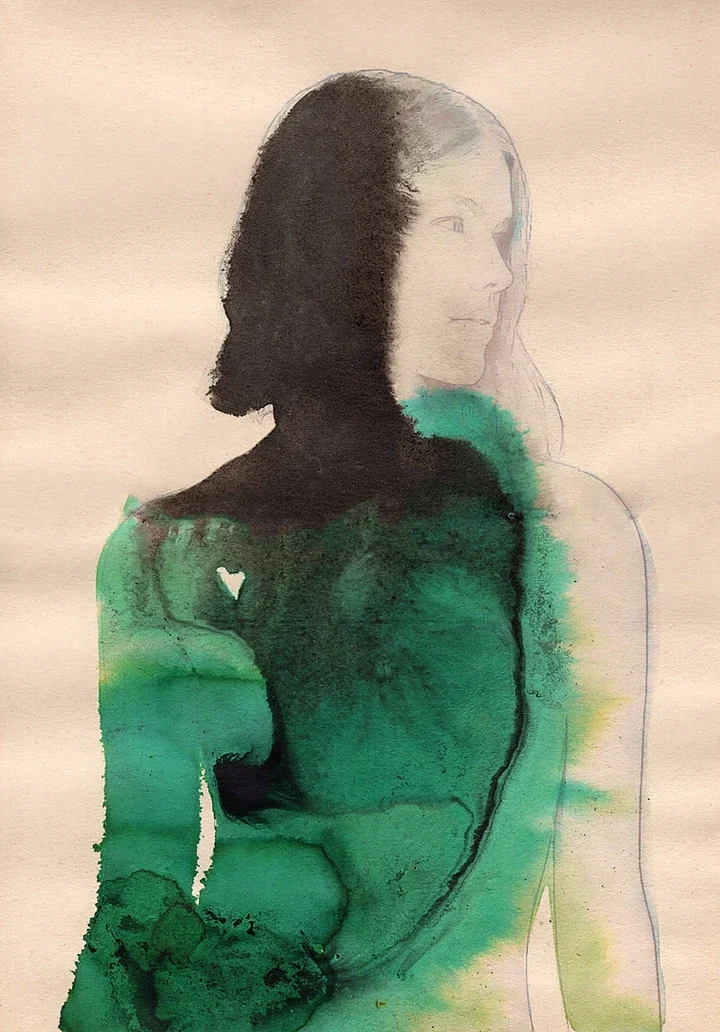
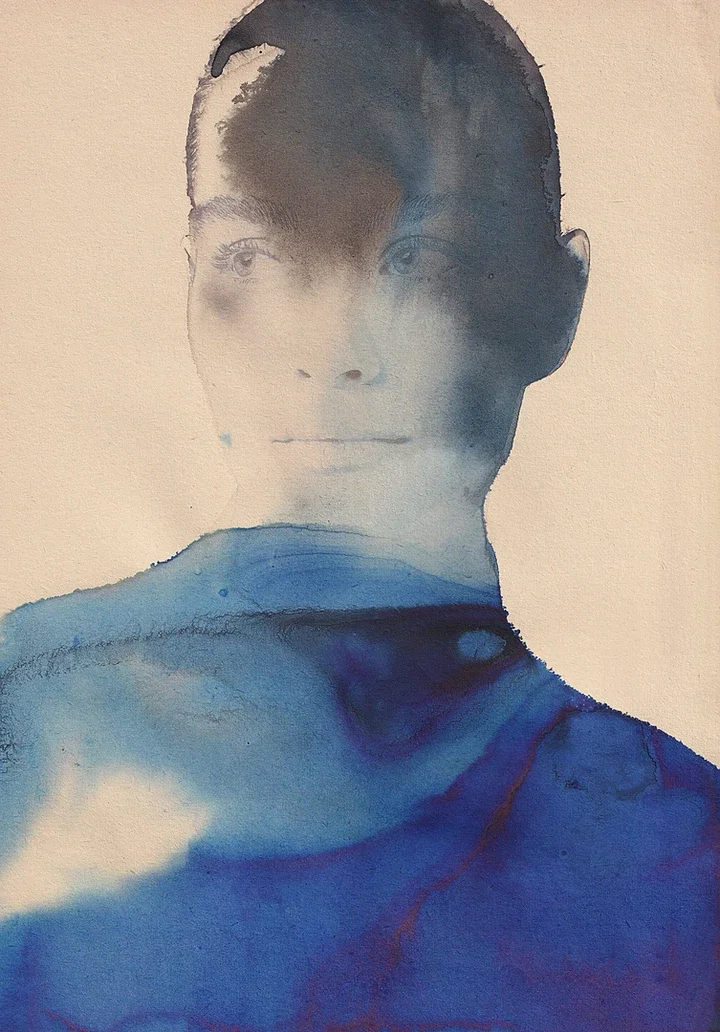
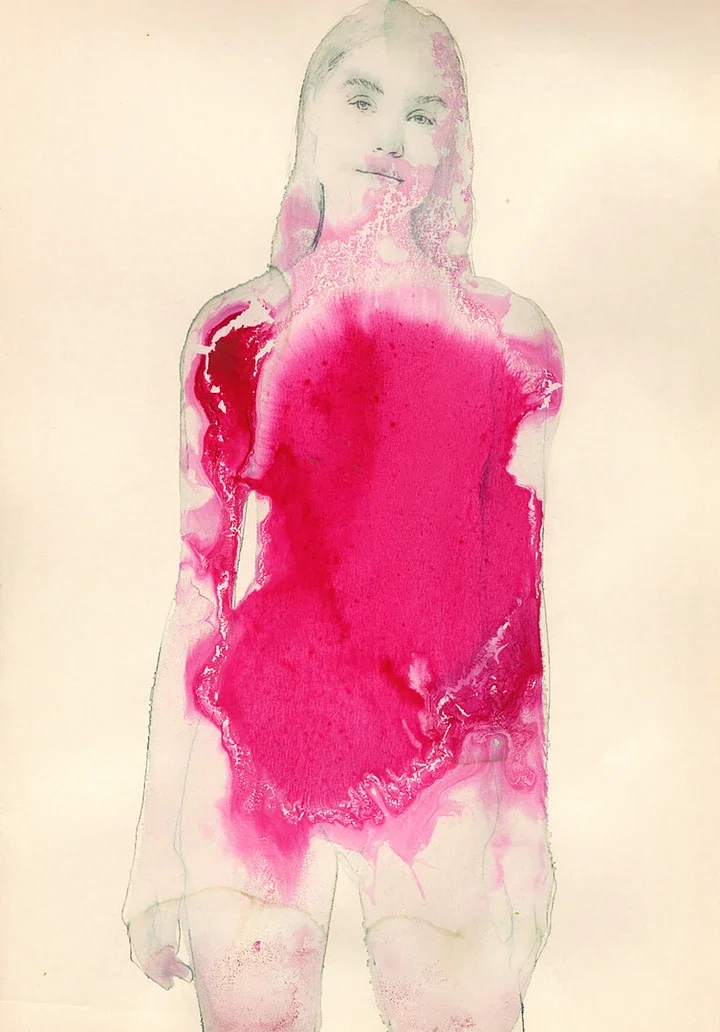
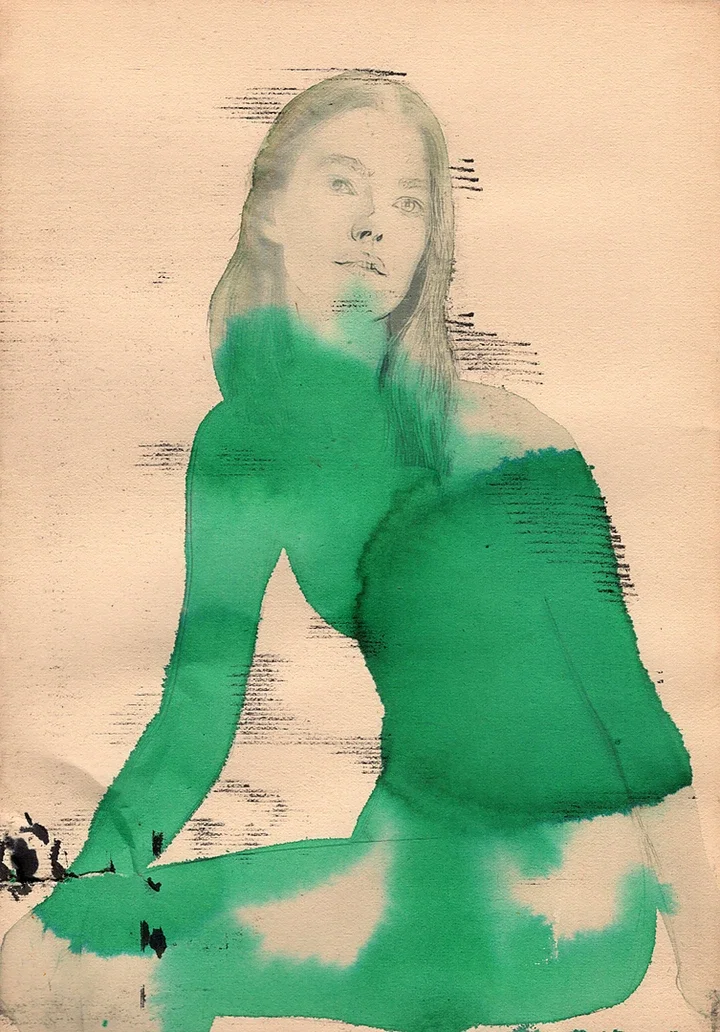
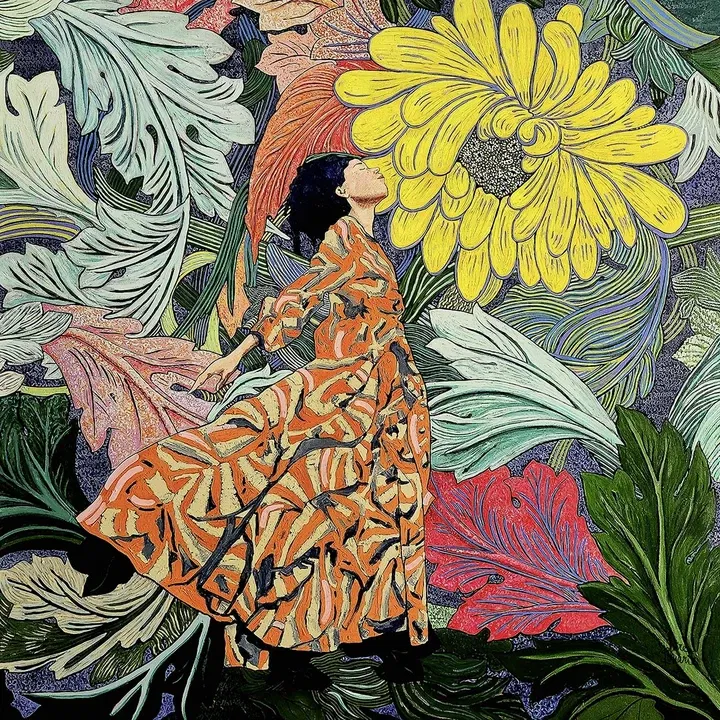
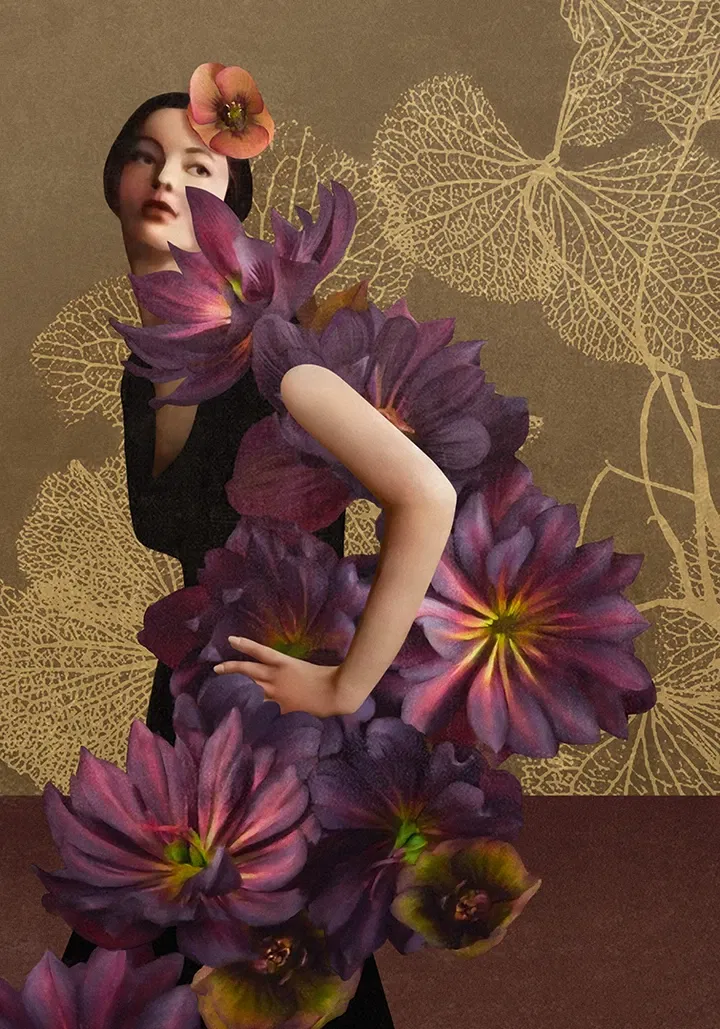
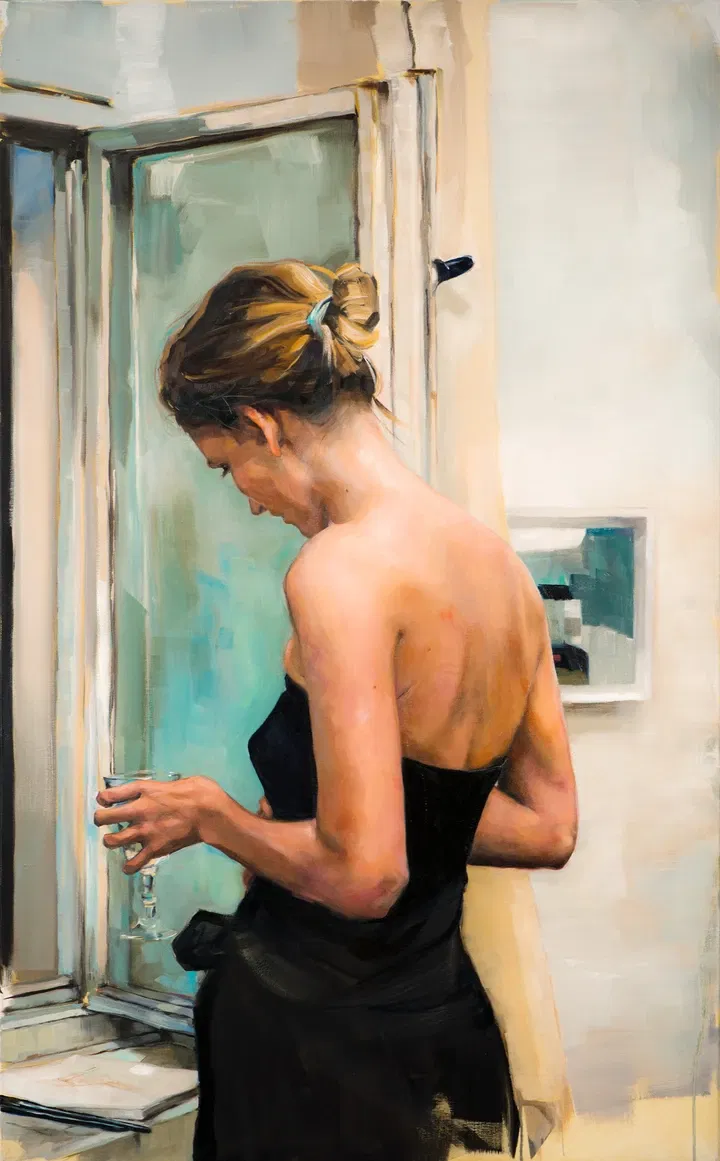
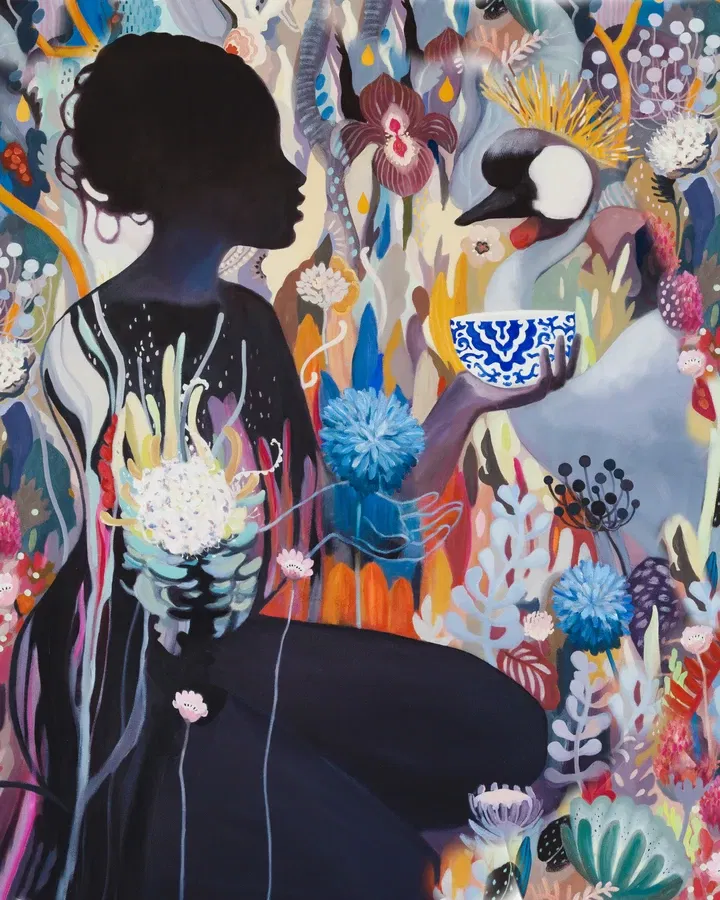
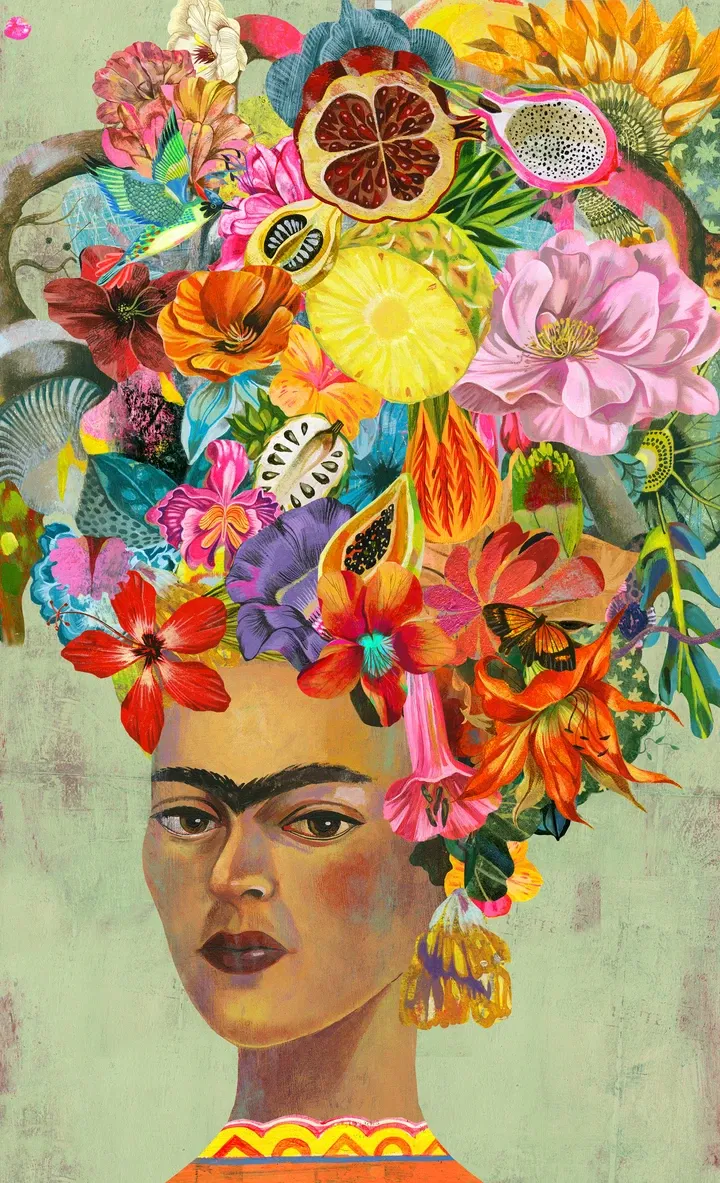
The female face repeatedly occupies a central place in her independent work. Not as a classical portrait or an attempt to reproduce an individual person as accurately as possible, but as a presence that reaches beyond the visible. It tells us not only what someone looks like, but how someone is present. In Gefen’s work, the face therefore becomes less a motif than an event.
Her work thus also touches on an art history in which female perspectives were long pushed to the margins and are now being reconsidered. In The Story of Art without Men, Katy Hessel has drawn attention precisely to these omissions: to women artists not as footnotes to an existing narrative, but as independent voices in their own right. Gefen’s work continues this idea not programmatically, but visually. In her art, the feminine does not need to be explained or elevated in order to acquire meaning. Its presence is sufficient in itself.
This attitude is echoed in her brushstrokes: strikingly gentle, at times almost casual, yet unmistakably deliberate. Her works assert their individuality as unique pieces — delicate and unmistakable, one after another.
The result is an art that does not attempt to smooth away every trace or fix every meaning in place. The paper brings its past with it; Gefen adds her perspective on the present. From the two emerges something that was never fully contained either in the material or in the original idea. Her particular strength lies not only in creating, but also in recognising the artistic potential already present in what exists.
Bio
Marianna Gefen is a Berlin-based artist and illustrator whose work combines watercolour, ink, collage, and mixed media. Moving between fine art and illustration, she creates atmospheric, multilayered compositions in which people, places, memories, and observations from everyday life come together.
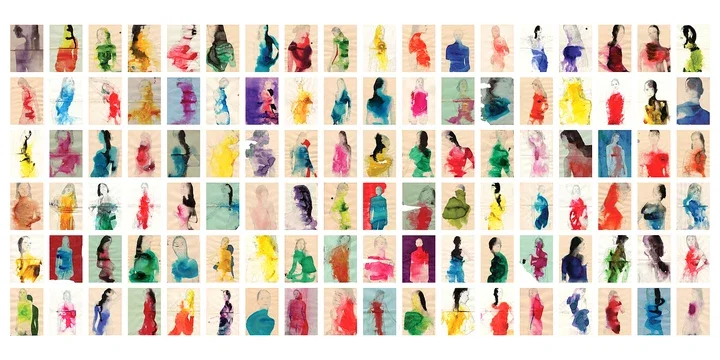
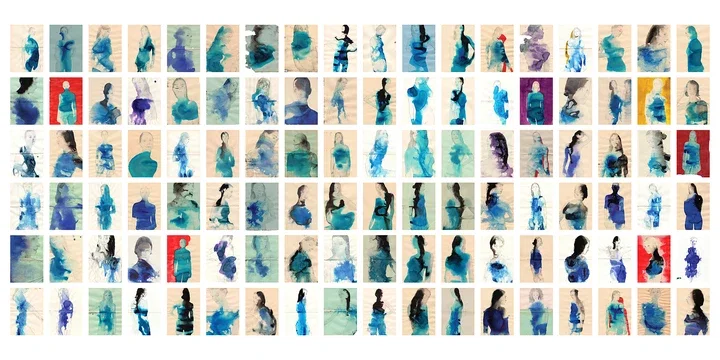
Her artistic process is intuitive and strongly shaped by the materials she uses. Gefen often works on several pieces simultaneously, building her compositions layer by layer. Accidental marks, irregularities, and the distinctive qualities of different materials are not concealed, but deliberately incorporated into the work.
Having lived in different places and travelled extensively has profoundly influenced Gefen’s perspective. People, landscapes, colours, textures, and incidental situations enter her work as accumulated impressions. Alongside her independent artistic practice, she works internationally for renowned clients across editorial, publishing, culture, and business. Her clients and collaborators include Vogue Italia, Vogue México, The New York Times, The Washington Post, The Wall Street Journal, the United Nations, MIT, Condé Nast, Stern, Die Zeit, FAZ, and GEO. Her original works are exhibited and collected internationally.
Interview
1. Picasso once said, “You don’t make art, you find it.” Where do you find your art?I actually find my art everywhere in everyday life. I like to stay curious, try things out, and keep opening myself up to new experiences — visiting exhibitions, traveling, learning new hobbies, simply doing things I haven’t done before. I think it’s important to keep your eyes open. Often it’s very incidental things — a color, a shape, a piece of paper, a situation in the street — that stay in my mind and eventually reappear in my work. I don’t necessarily look for inspiration. I tend to collect impressions instead.
2. From idea to realization: how do you approach your work?
I prefer to work without a completely fixed plan. I like spontaneity, chance, and also mistakes — just as in real life. I often start with an idea, but deliberately leave open where it might lead. I work intuitively, try things out, and see what happens. Sometimes something completely different emerges from what I originally imagined — and that is exactly what I find exciting. For me, this element of surprise is part of the creative process.
3. Your favorite book?
I’m more on team biographies, artists’ diaries, and psychology. I’m interested in real stories, real people, and what goes on in their minds. I like reality — it’s usually interesting enough.
4. Which artist would you like to have coffee with, and what would you talk about?
Sophie Calle. I love her work because she blurs the boundaries between art and real life in a very distinctive way. She takes everyday situations, personal stories, and human relationships and turns them into art — often with a mixture of curiosity, humor, and a certain degree of unpredictability.
5. How did you get into art?
It was actually a very natural process. It was never a conscious decision; it was simply always there. Over time, it developed into my profession and my own artistic language. Somehow, I just kept going.
6. Which people around you influence you?
My family and my friends. They somehow always manage to turn a bad day into something good. They make me laugh, keep me grounded, and at the same time give me the motivation I need. I think that also influences my work — good energy, curiosity, and a certain lightness are important to me.
7. Imagine you have a time machine. Where would you go?
An impossible decision. The 1970s would definitely appeal to me — the music, the fashion, the design, the whole atmosphere. I would probably just get out somewhere in New York and see what happens.
8. Your greatest passion outside of art?
Traveling. I find it fantastic to discover new places, go with the flow, and step outside my usual environment. I love getting to know new people, cultures, and landscapes — and most of the time, I come home not only with memories but also with plenty of new impressions and ideas.
9. What are you working on at the moment?
At the moment, I have several commissions on my desk at the same time — and that is exactly what I like. Working on different topics and perspectives in parallel keeps me alert and brings variety into my everyday life. For The Wall Street Journal, I’m currently exploring how travel can affect our mental health. For Vogue Italia, I’m illustrating Fashion Week for the September issue, and for a London-based publication I’m working on an illustration on a political topic.