New
The Conversation
from € 1,290
2 sizes available
Unfortunately, this artwork cannot be added to the room view.


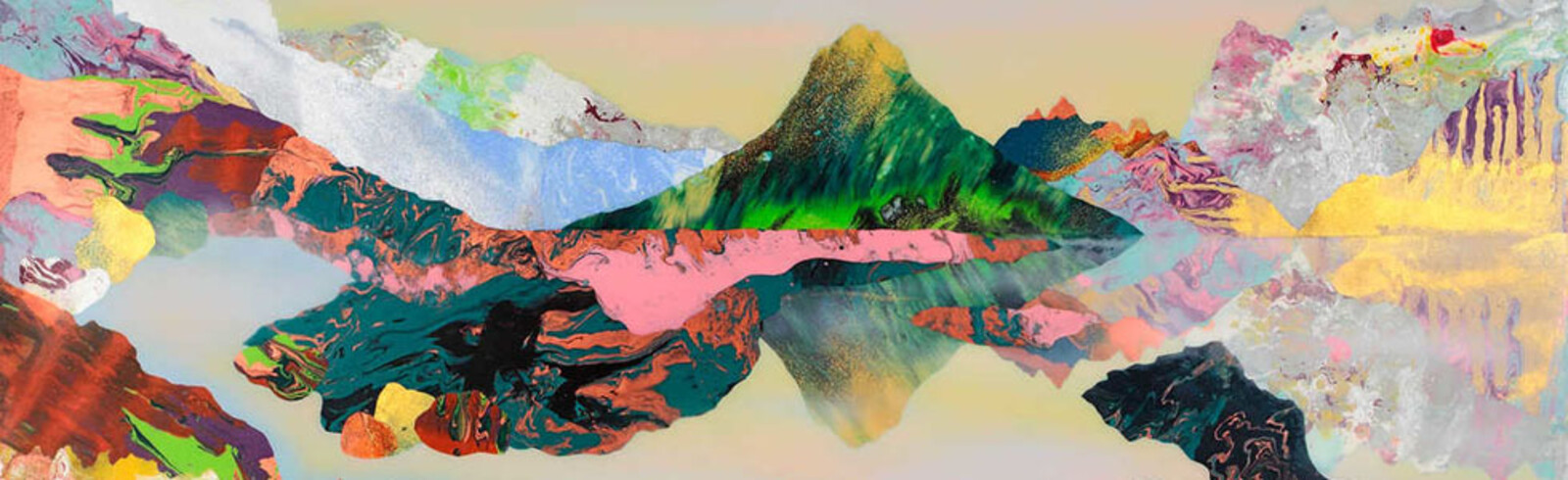

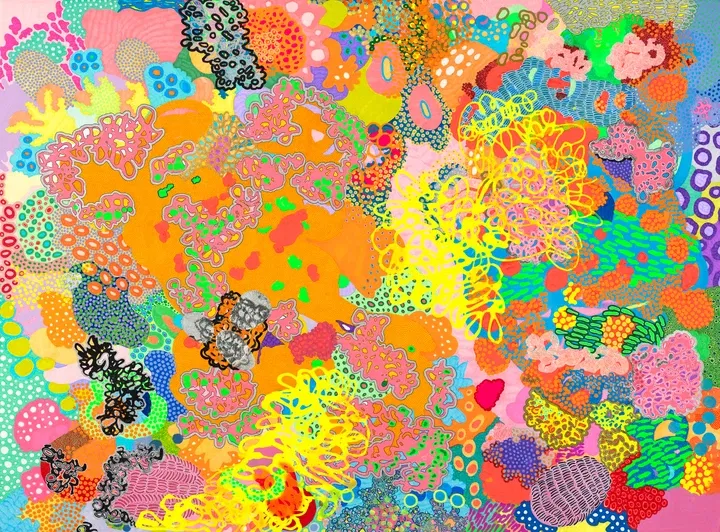
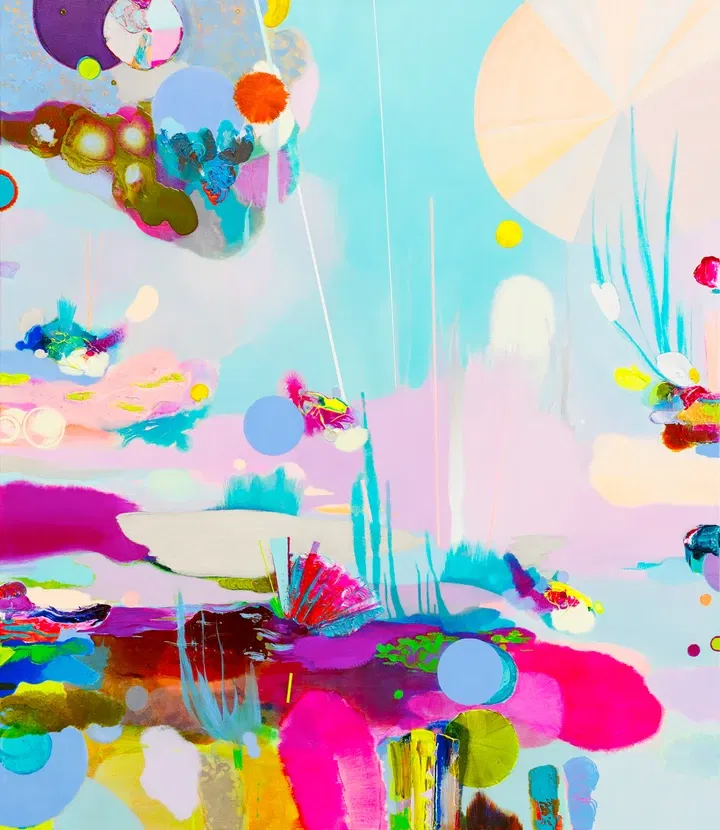
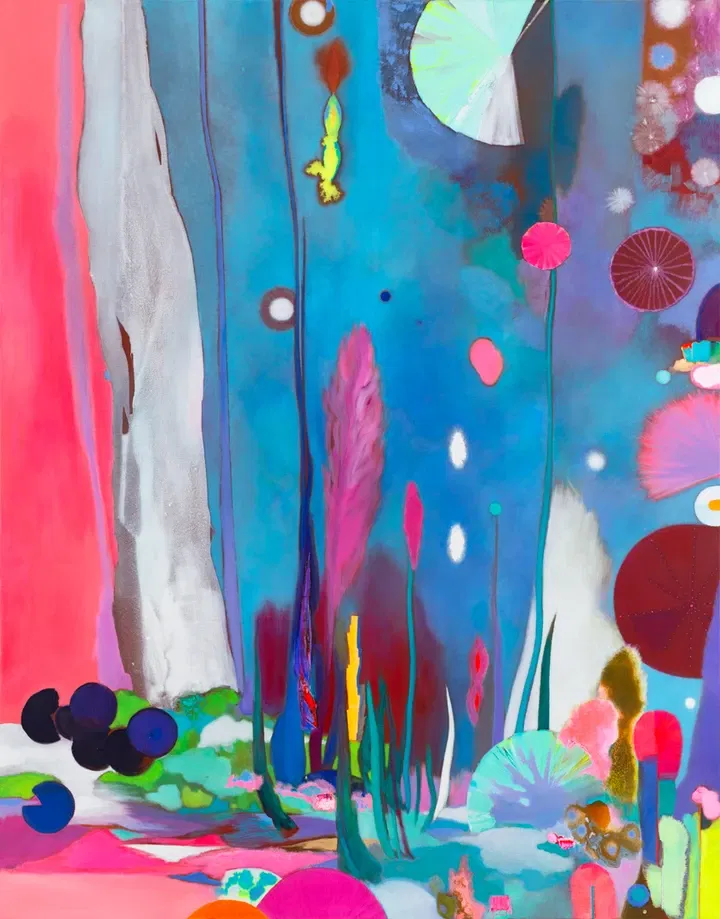
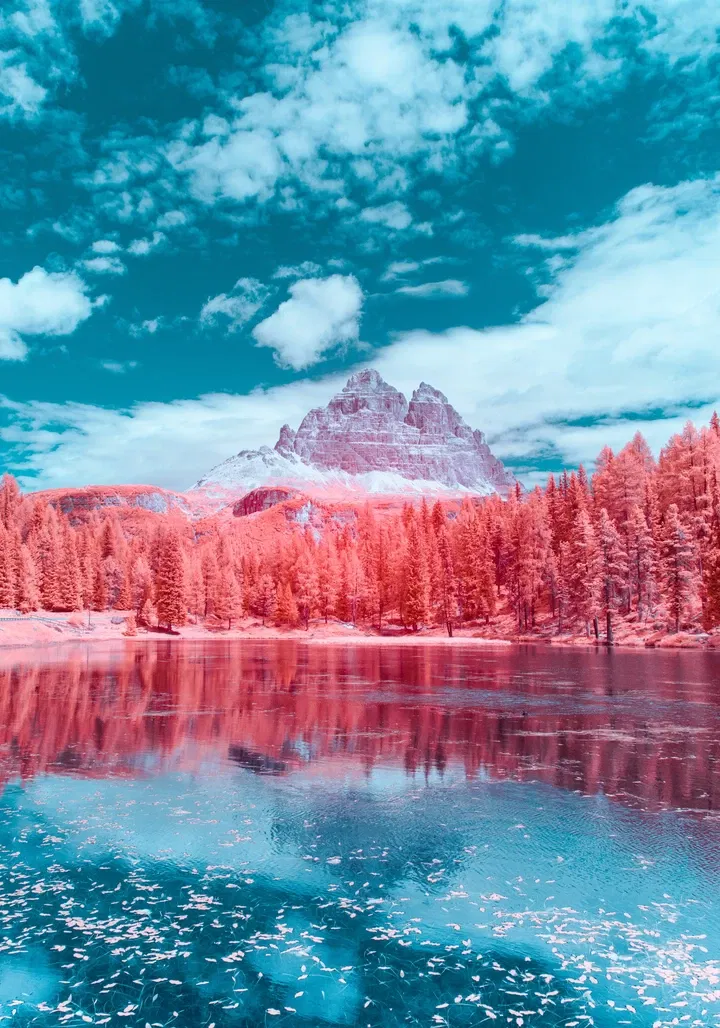
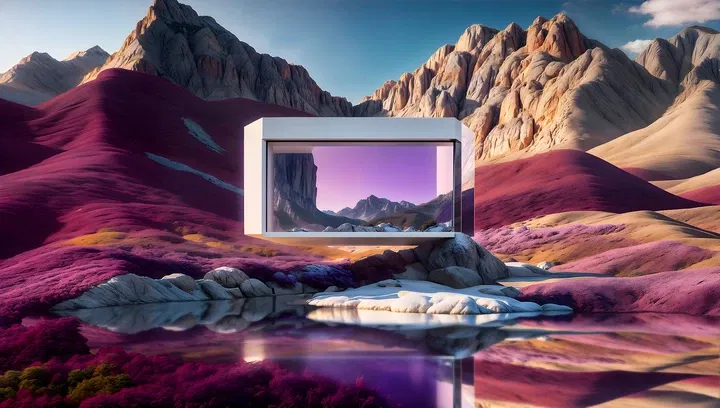
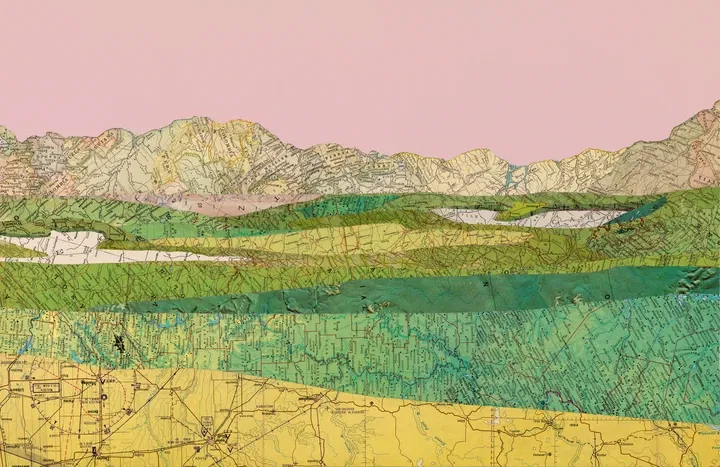
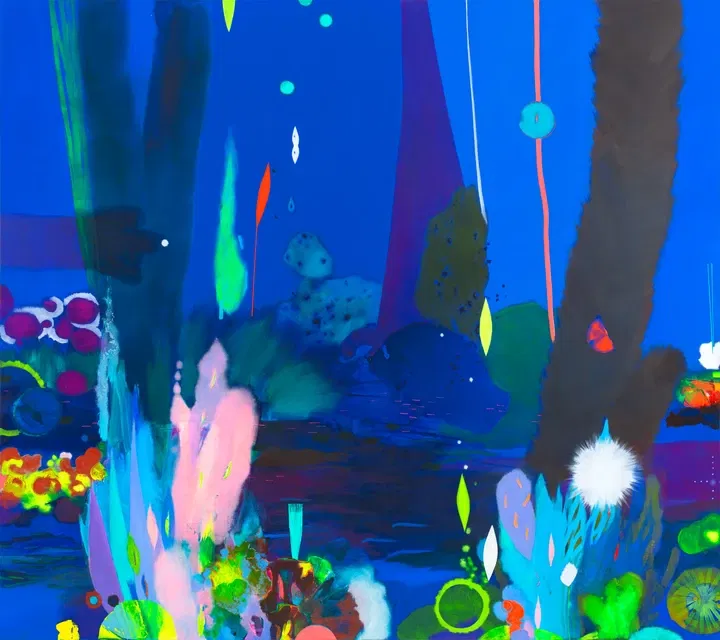
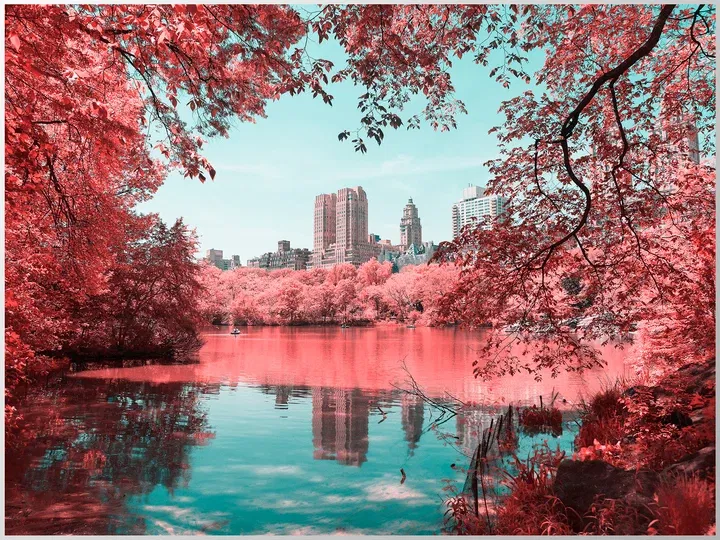
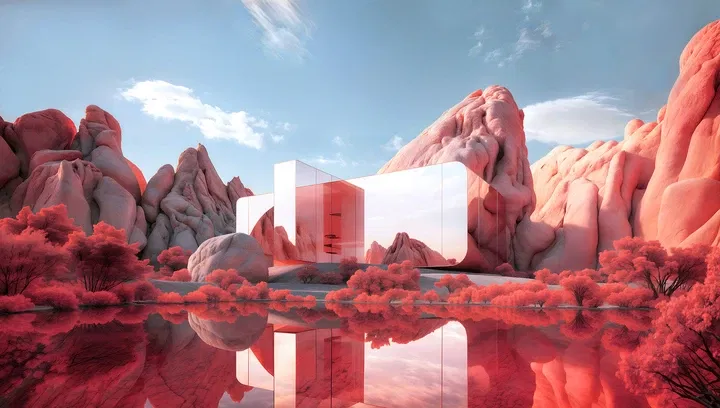
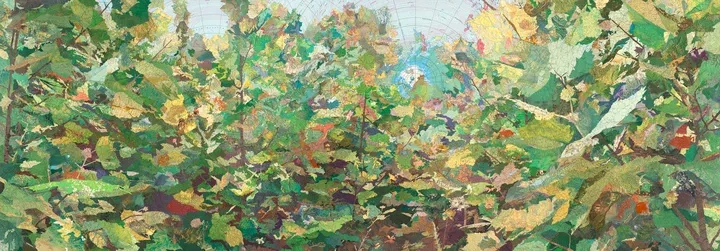
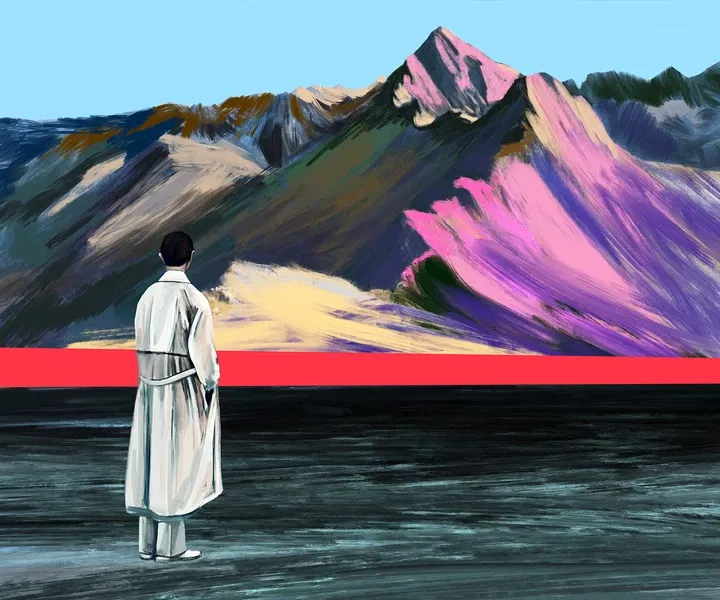
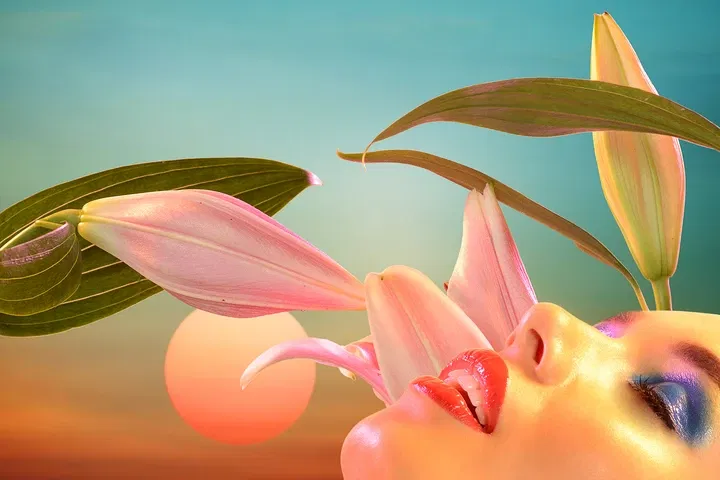
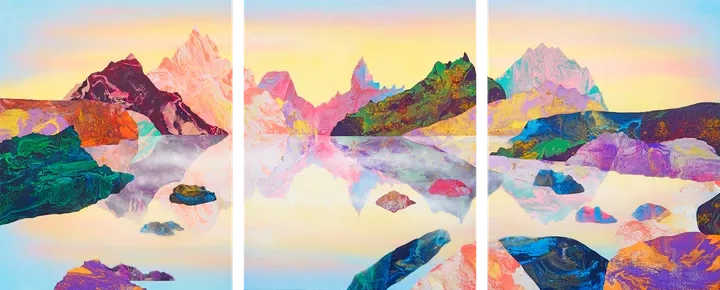
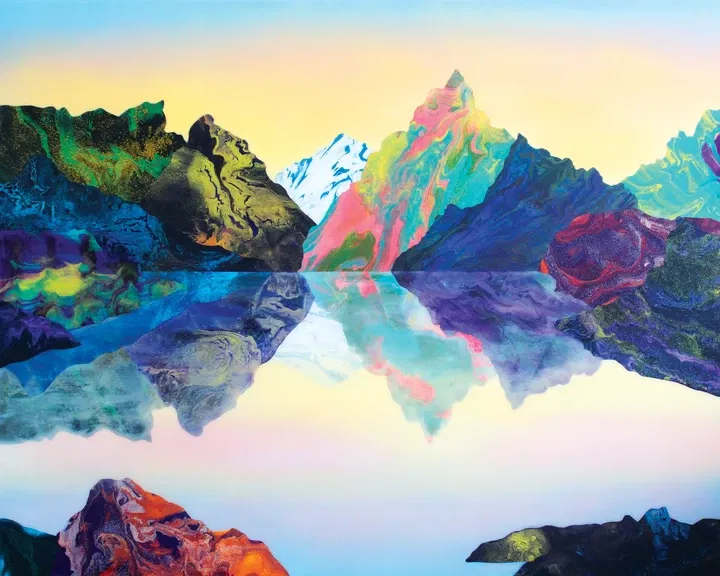
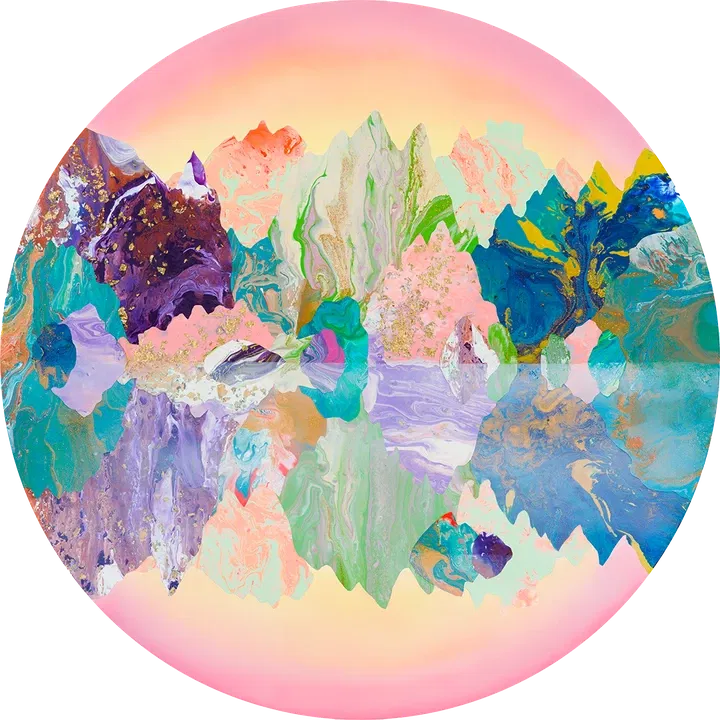
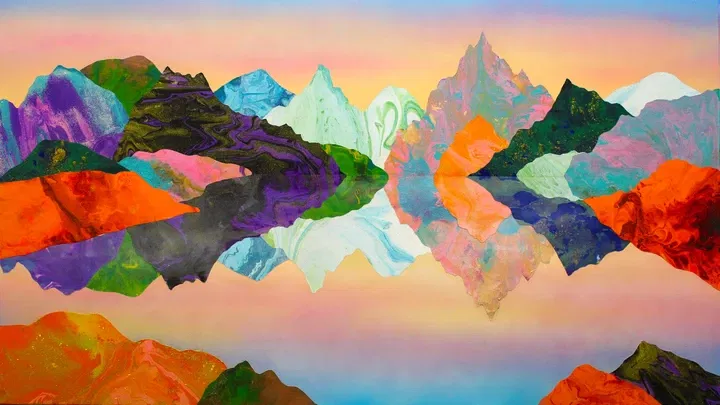
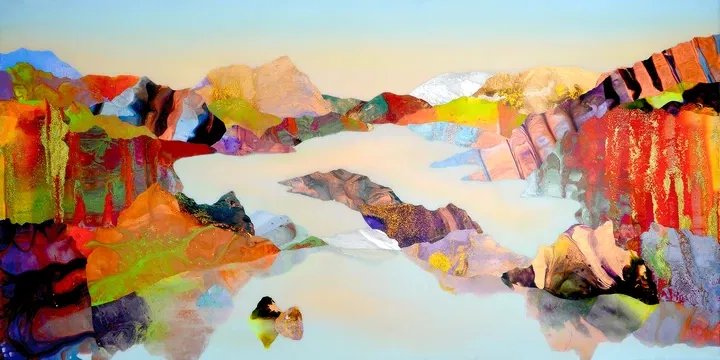
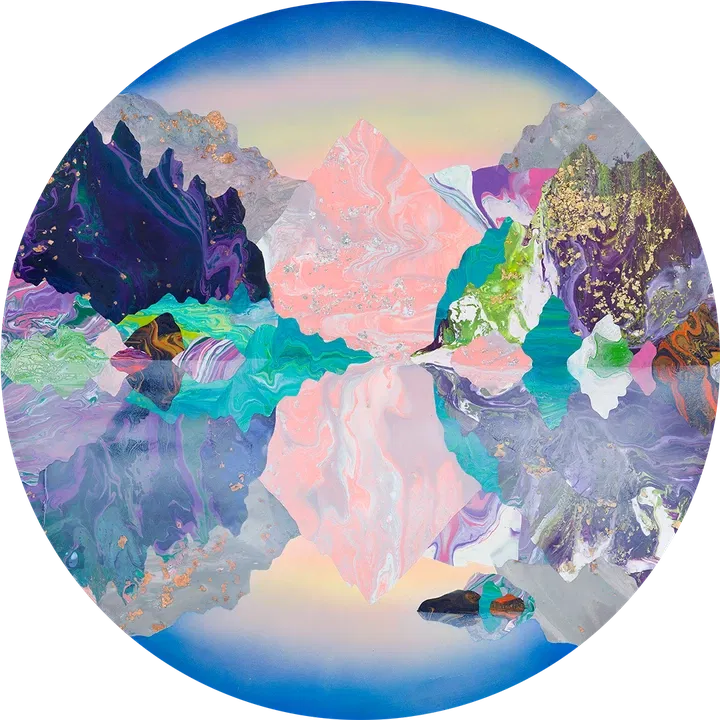
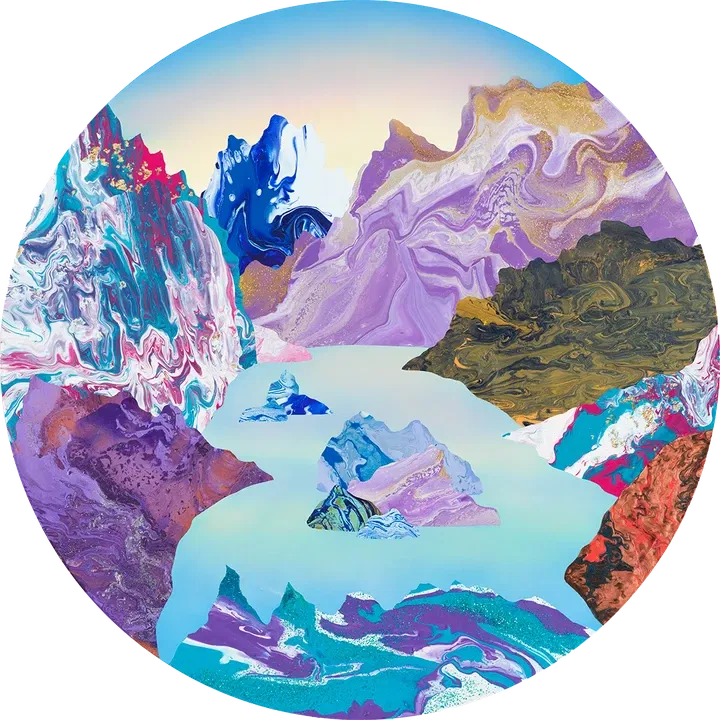
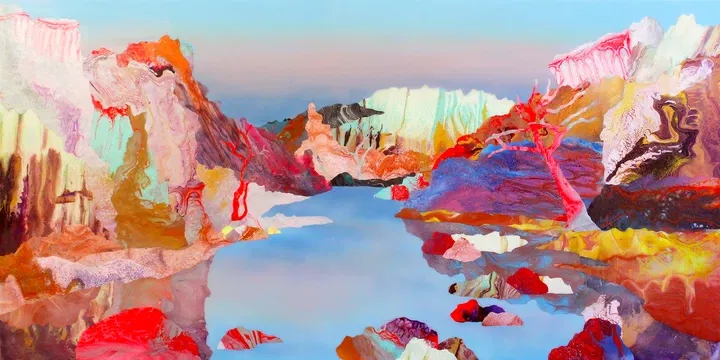
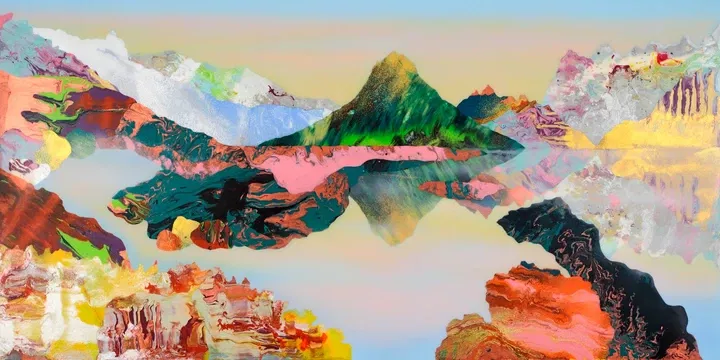
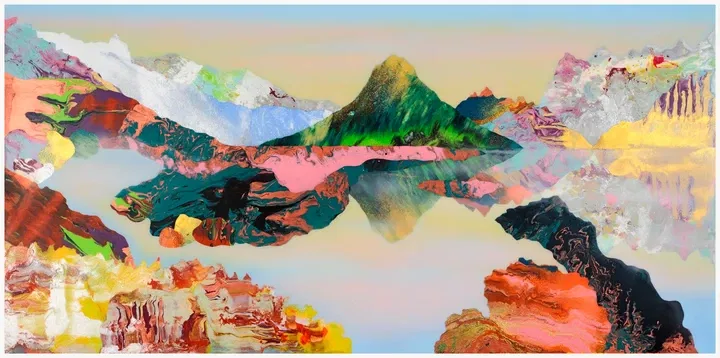
With neon colours, pastels, and glitter, Australian artist Kate Show creates spectacular psychedelic landscapes. We may feel as if we have stumbled upon another planet, but these fantastical scenes… Read more
Bio Interview
Picasso once said, “you don’t make art, you find it.” Where do you find your art?
I find my art in the quiet moments—between things, in the cracks of the day. Sometimes it’s in a fleeting shadow, sometimes in a conversation overheard on the street. Living on Phillip Island, I’m constantly surrounded by the raw beauty of nature—windswept coastlines, expressive trees, and migrating birds. The landscape here is both fragile and powerful, and it influences everything I do. Art, to me, is something uncovered more than invented.
From an idea to its materialization: How do you approach your work?
It usually starts with a feeling or a question. I don’t always know what I’m looking for, but I know when something resonates. Living in a place so deeply connected to the rhythms of the natural world means ideas often emerge from seasonal changes, ecological shifts, or the emotional impact of a certain light or texture. I sketch loosely, gather references—sometimes poems, photos, or scientific texts—and begin layering. My process is intuitive and physical; I let the materials guide me as much as the idea.
What is your favorite book?
That’s hard to narrow down, but The Overstory by Richard Powers struck me deeply. It merges ecological awareness with personal story in a way that feels both urgent and beautiful. It speaks to the interconnectedness of all living things—something I witness daily on Phillip Island.
Which artist would you like to have coffee with and what would you discuss?
Tracey Emin. I love her tenacity—in both art and life. I’d want to talk about vulnerability, endurance, and what it means to keep going no matter what. I imagine we’d discuss how place, memory, and pain can be turned into strength and form.
How did you get into art?
It wasn’t a single moment—it was more like a slow unfolding. As a child, I drew constantly. But it wasn’t until I became more aware of the world’s complexities that I realized art could be a way to make sense of things, to question, and to heal. Over time, it became a way of being, and eventually, a life.
Who are the people in your surroundings that influence you?
Other artists, of course—but also gardeners, scientists, children, and people who work with their hands. On Phillip Island, I’m influenced by conservationists and local ecologists who work to preserve this unique environment. My friends who are trying to live thoughtfully and resist the pace of modern life—they influence me more than they know.
Imagine you have a time machine. Where would you go?
I’d go to the deep future, to see what becomes of our planet and whether we’ve learned to live in harmony with it. Or maybe to a prehistoric forest—to witness Earth in its wildest form, long before human interference.
Other than art, what are you most passionate about?
Ecology, definitely. Living in a place like Phillip Island deepens that connection. I’m also passionate about storytelling in all its forms—film, music, myth—and about the spaces we inhabit—how we shape them, and how they shape us.
What are you working on right now?
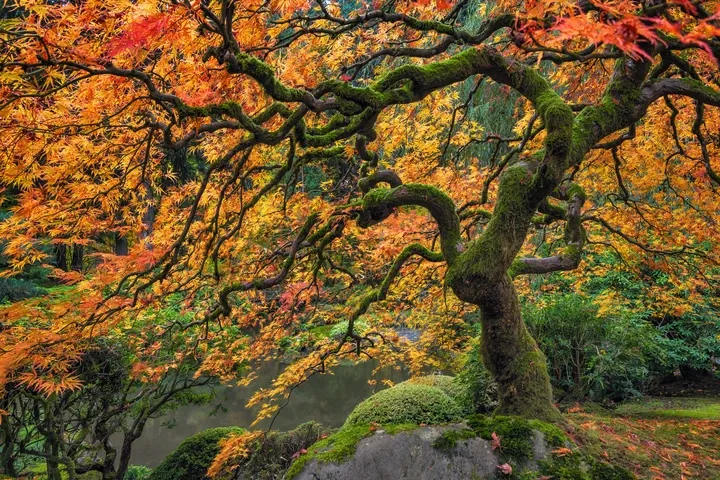
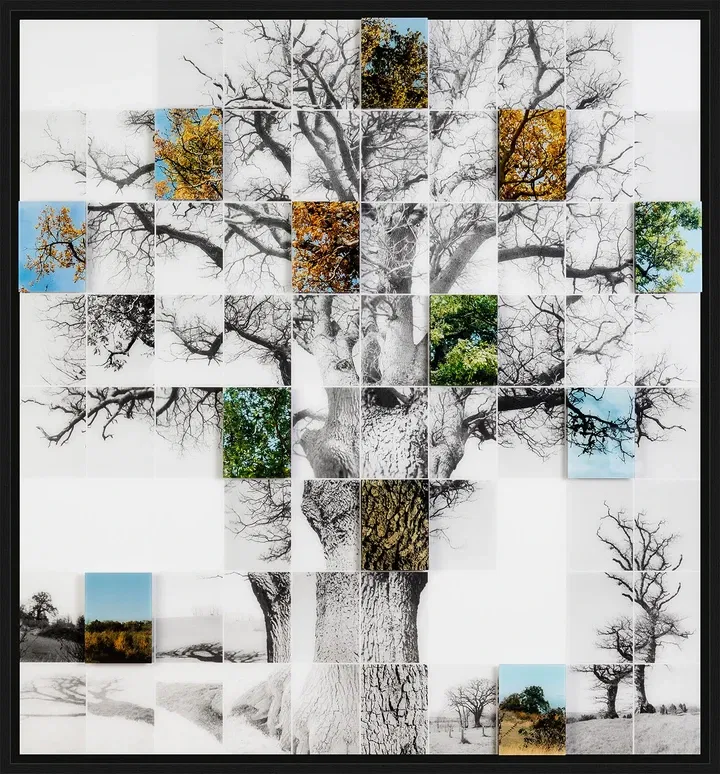
I live on Phillip Island, which is largely protected as a nature park. The trees here are incredible—twisted, resilient, and full of character. They seem to hold stories in their branches. I’m currently working on a series of paintings that explore these trees as living witnesses—of time, weather, and human impact. It’s a meditative process that allows me to reflect on both the environment and my place within it.