








- Exclusive offers
- Inspiring new releases
- Personal invitations to Art Events


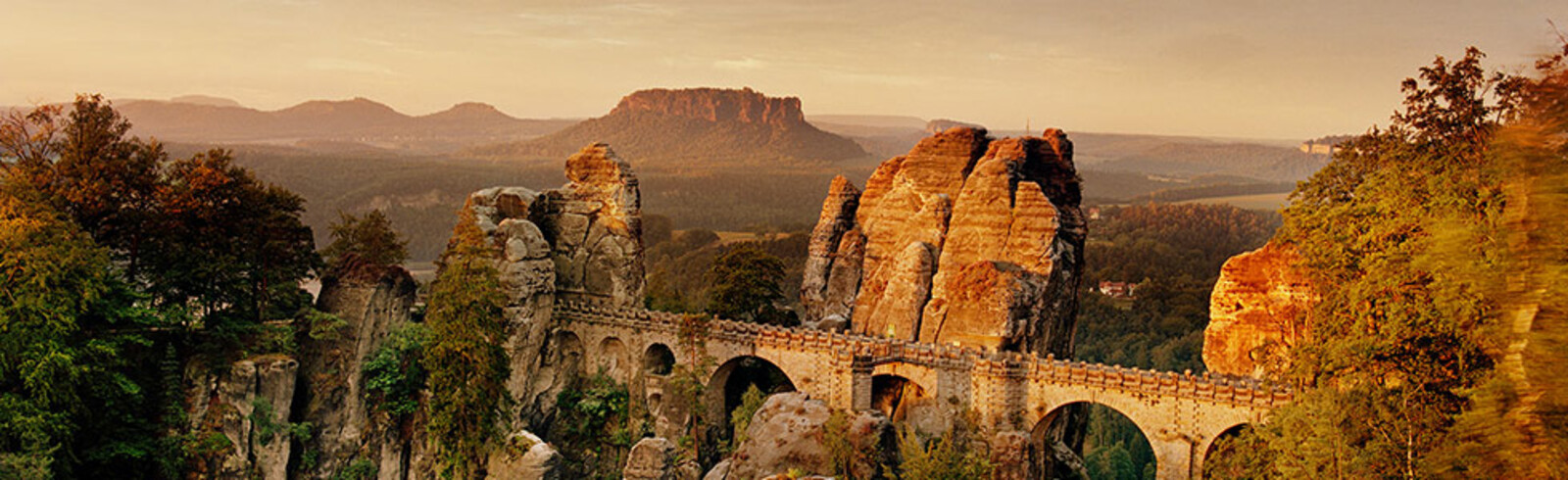
Dawn or dusk bathes enchanted forests, deep gorges, and striking rock formations in atmospheric light. Time and again, the sun reshapes expansive valleys, meadows, and fields anew: photographer… Read more
Bio Exhibitions Interview
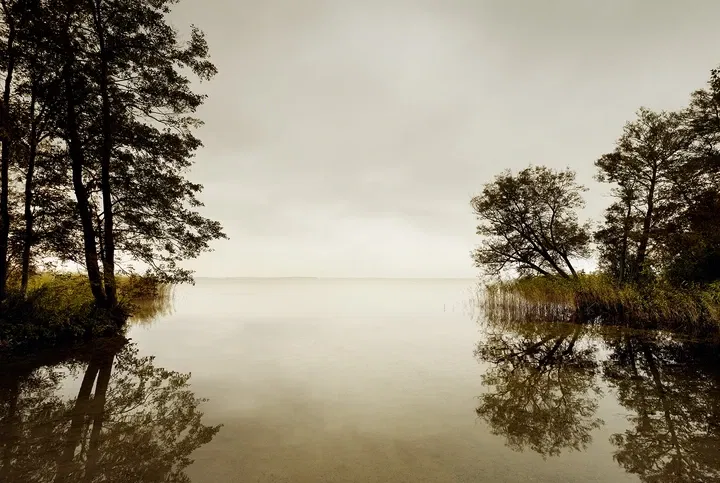
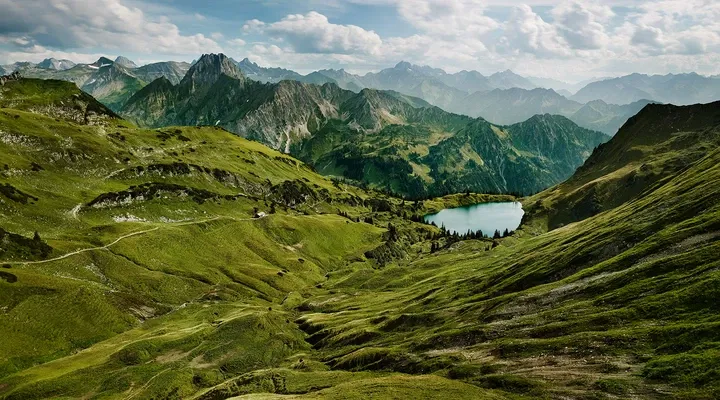
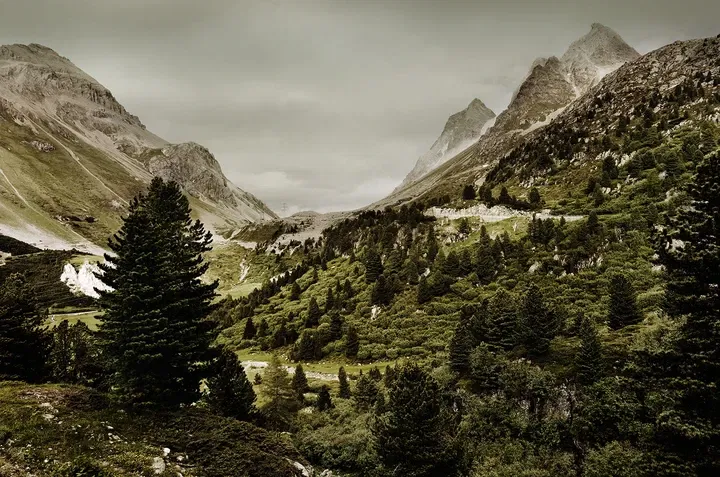
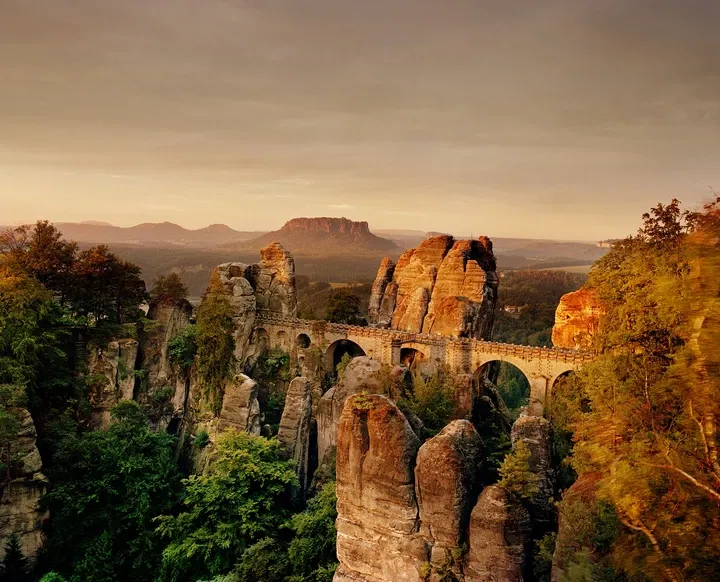
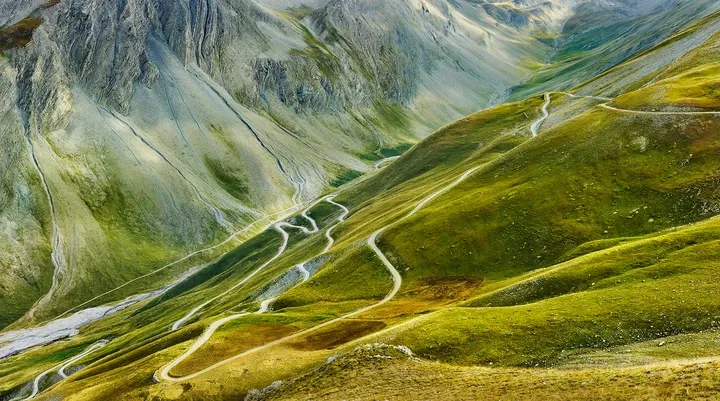
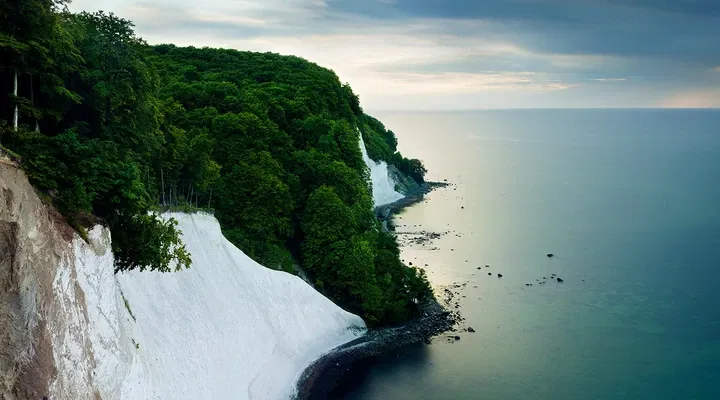
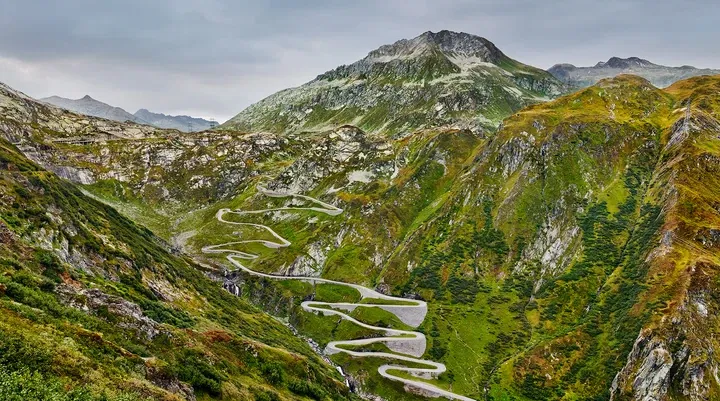
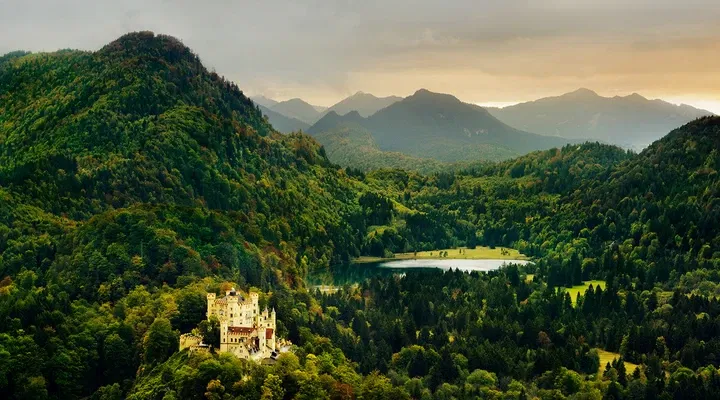
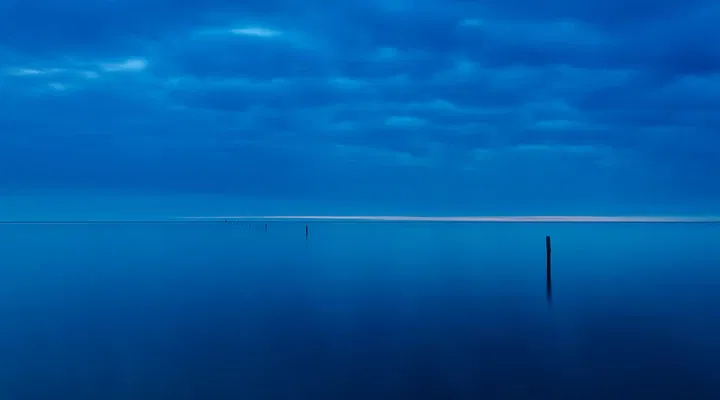
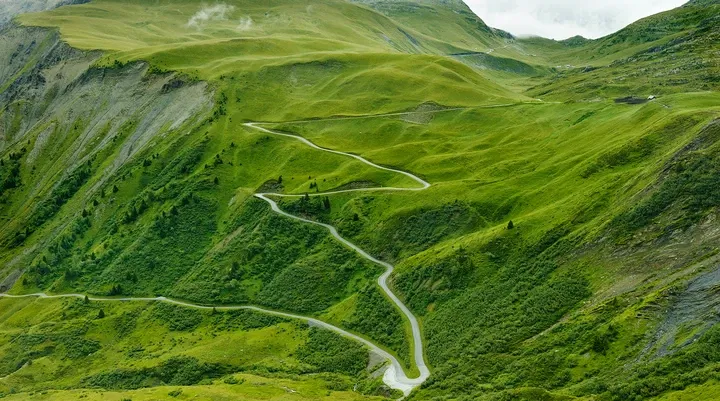
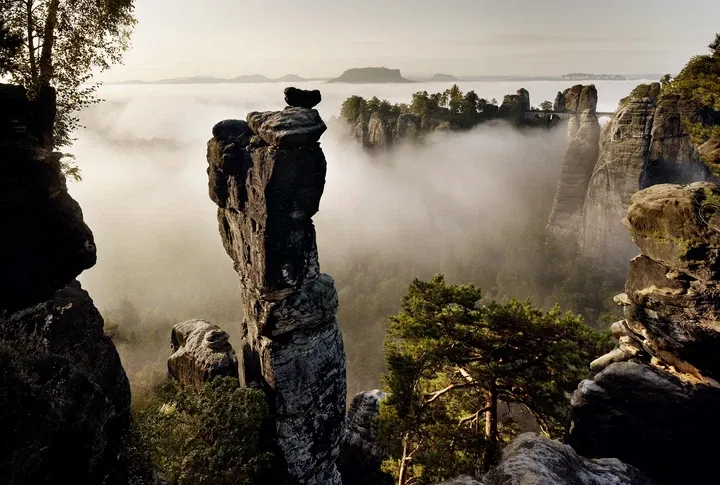
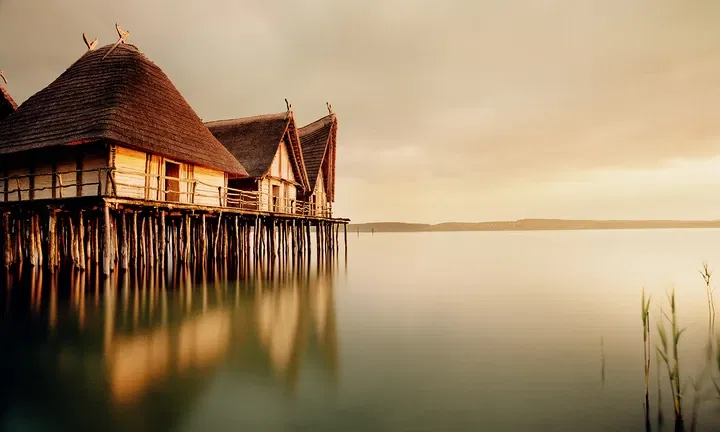
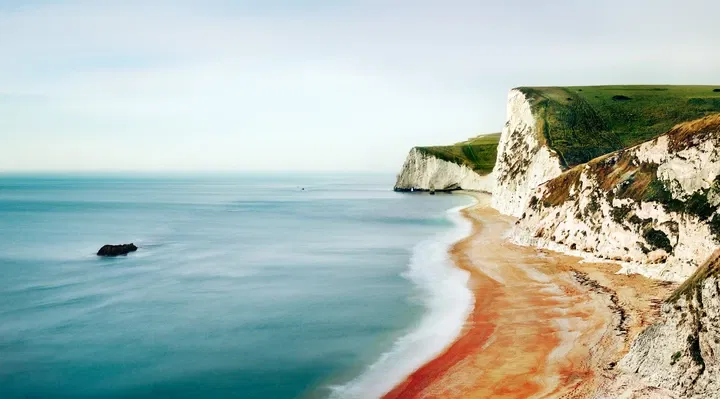
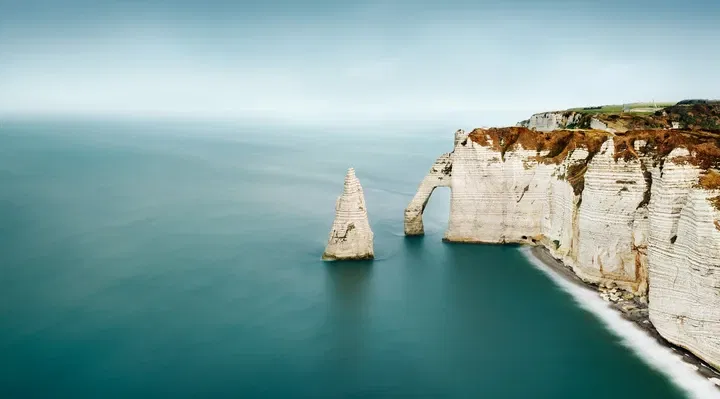
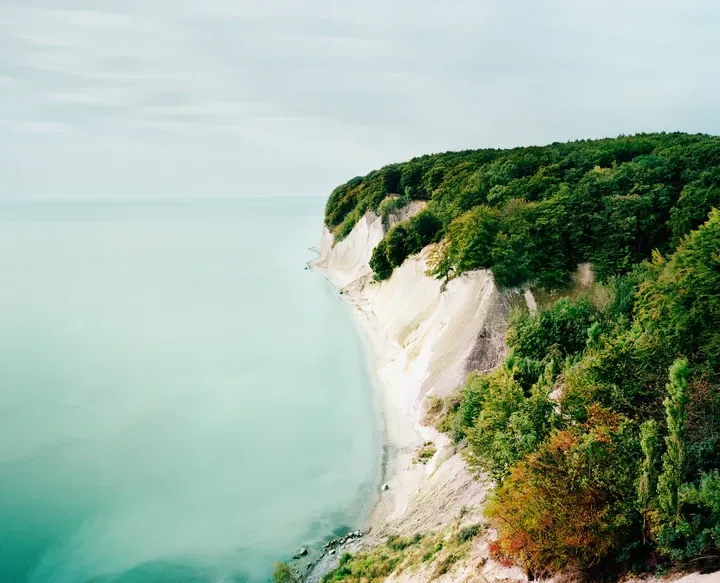
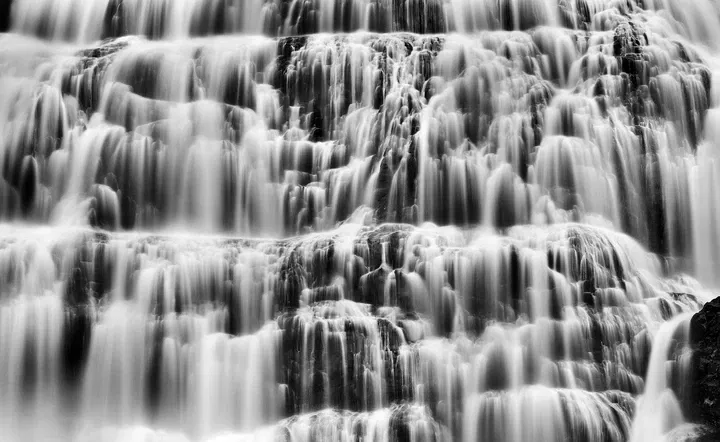
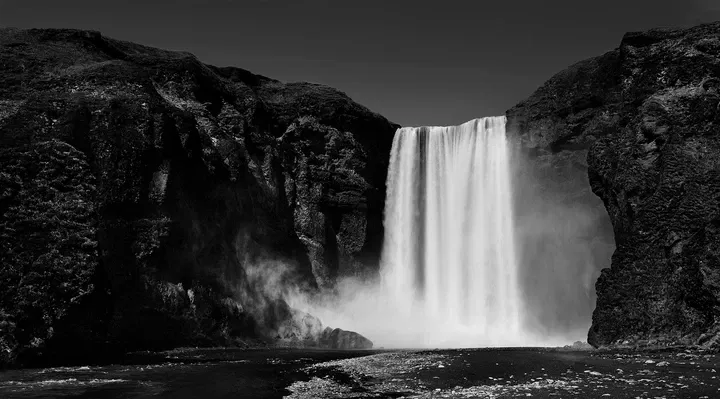
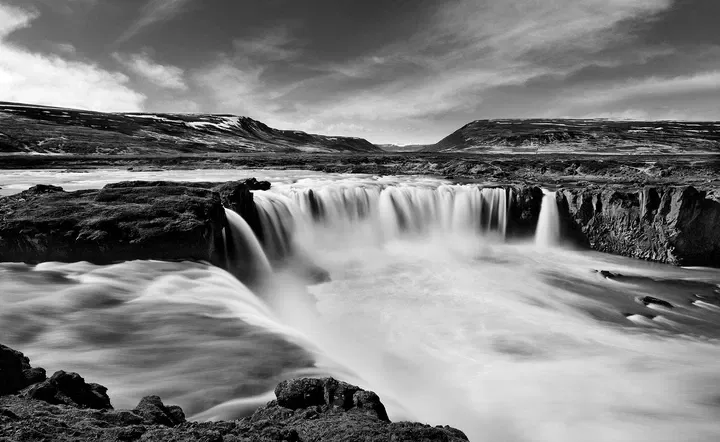
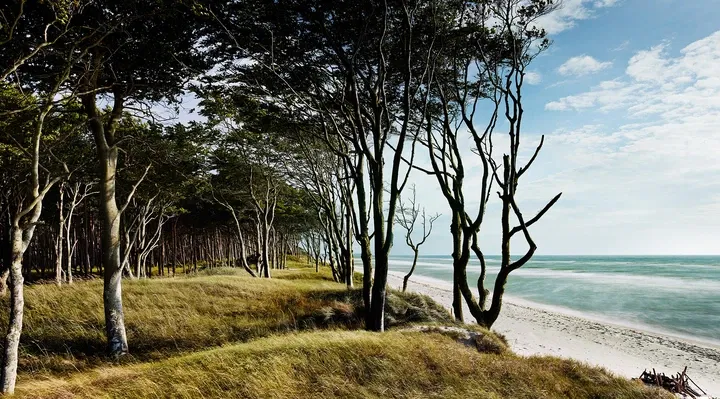
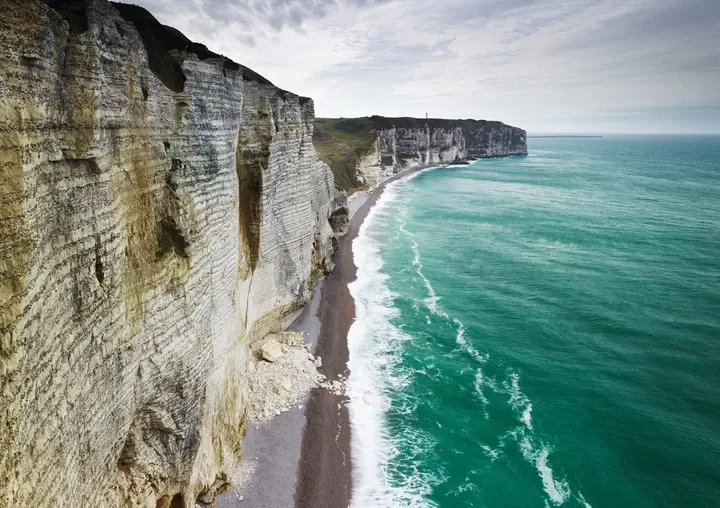
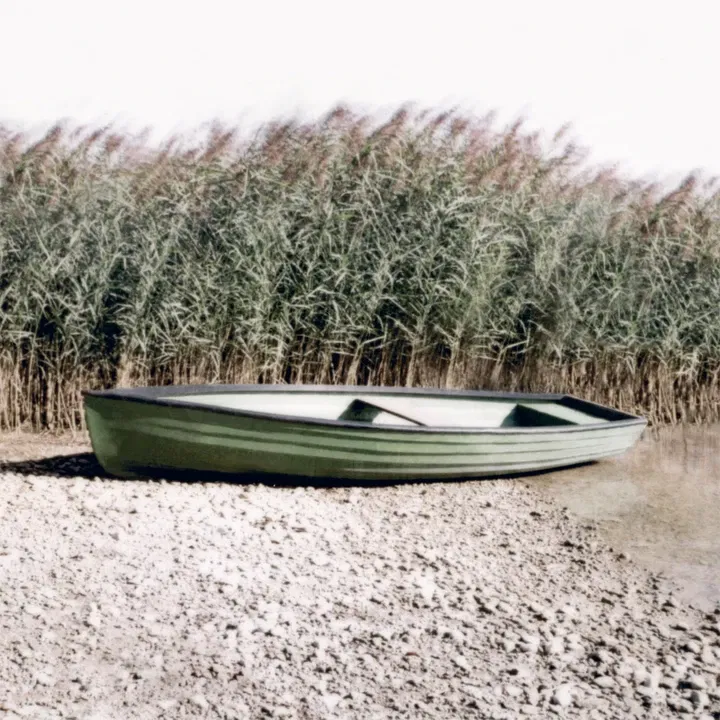
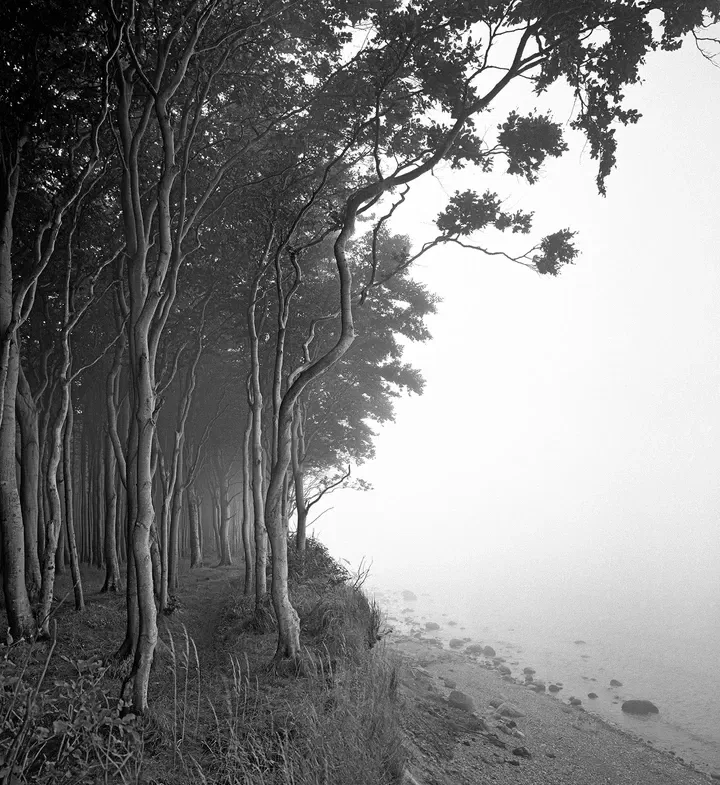
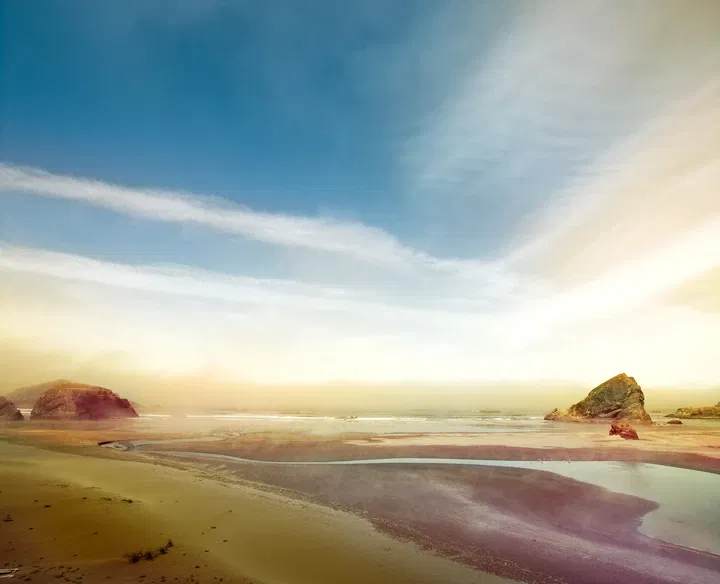
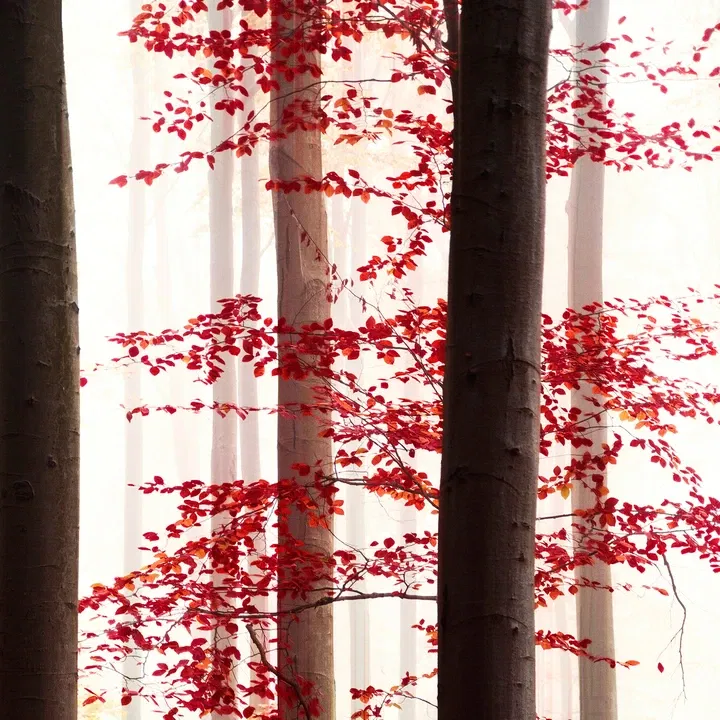
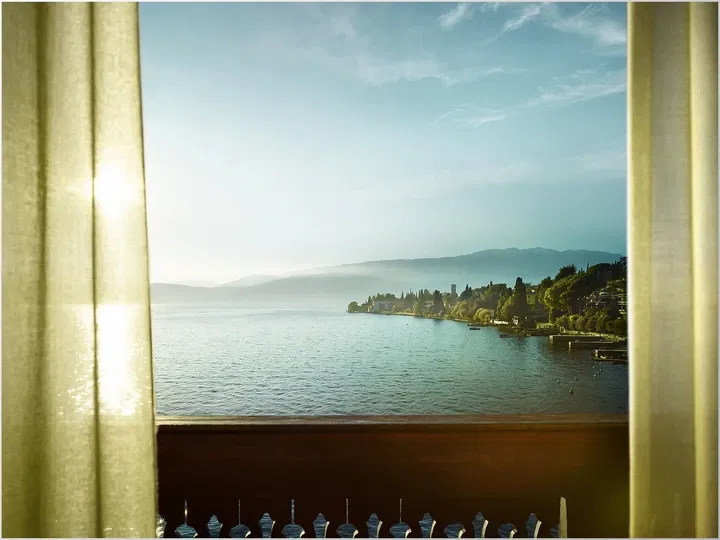
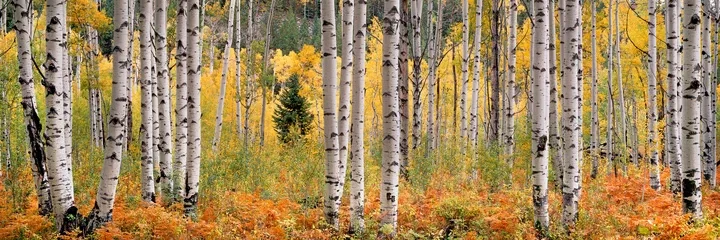
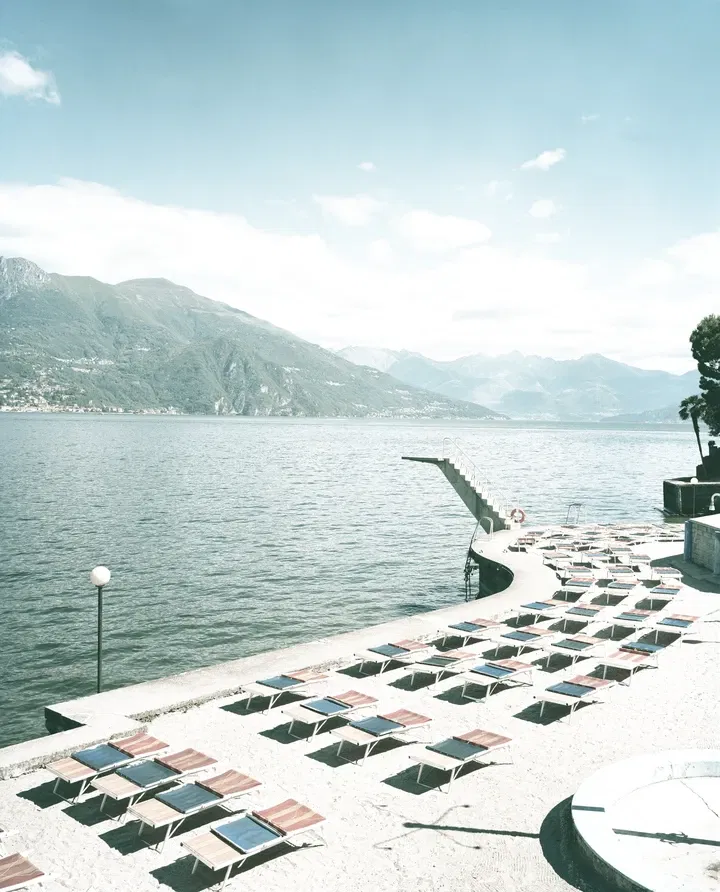
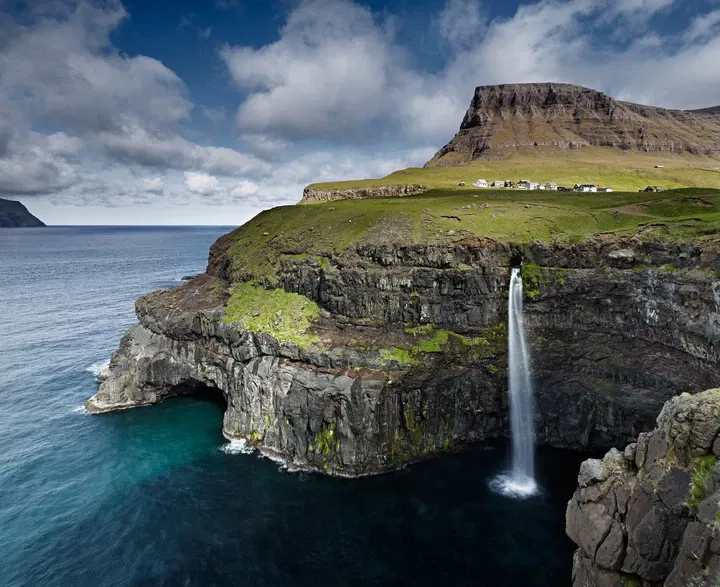
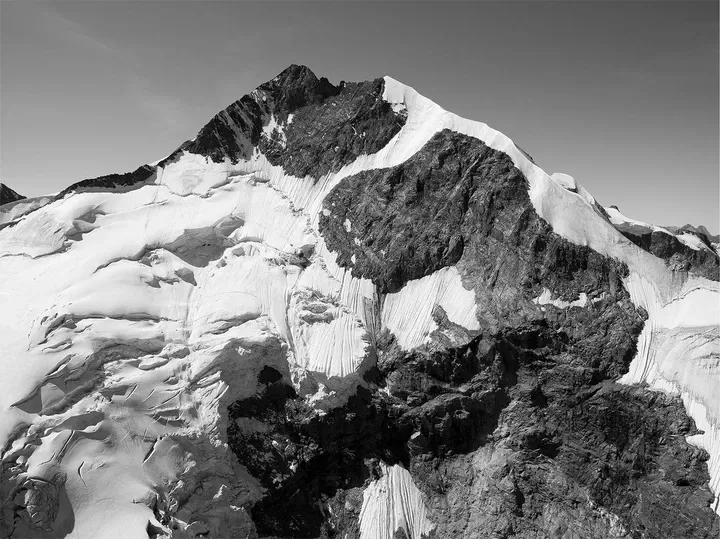
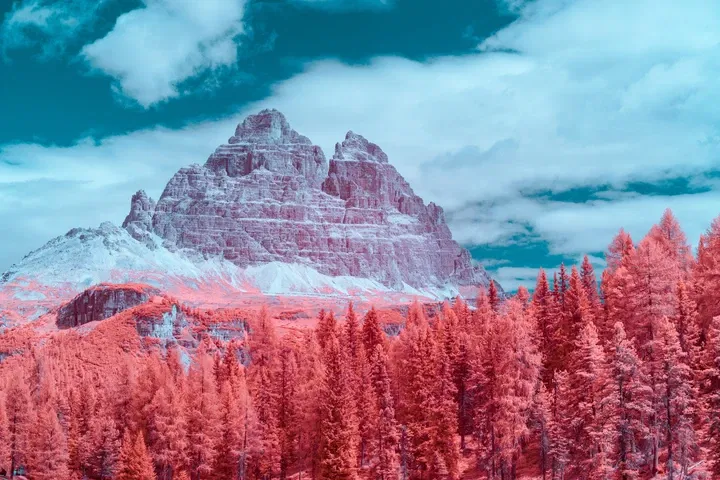
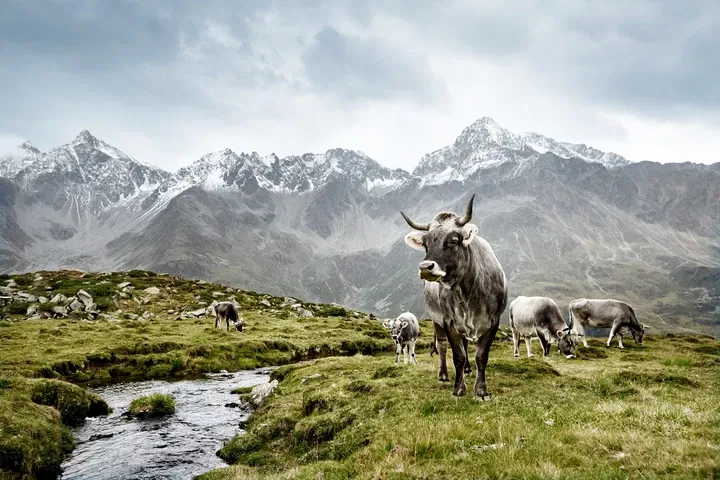
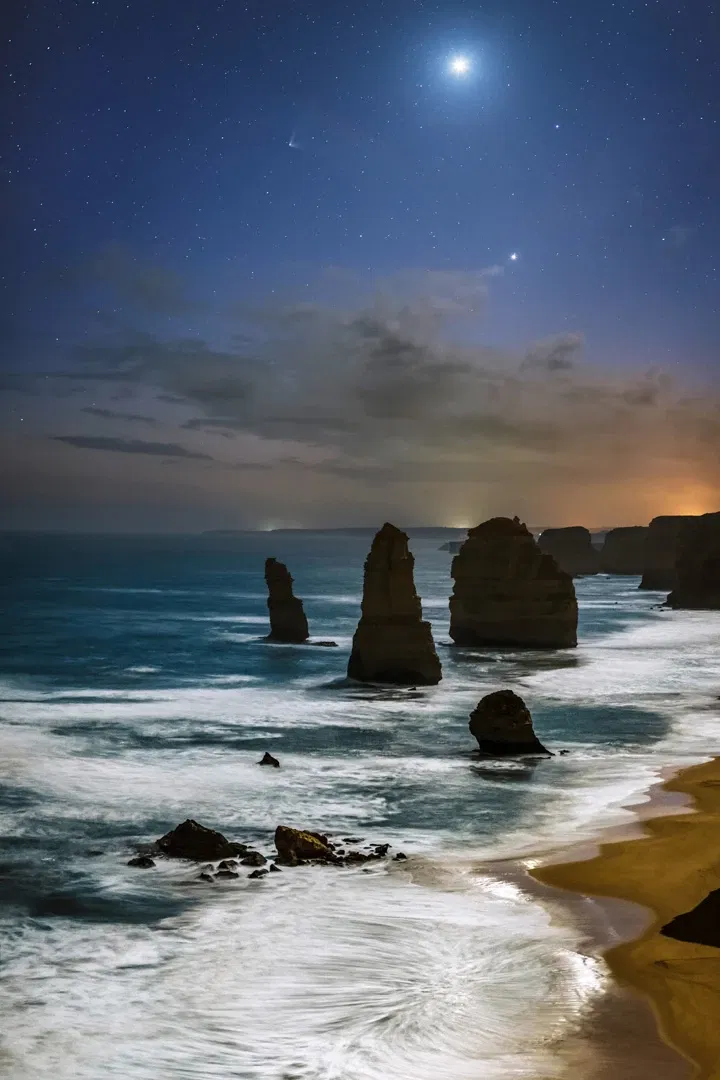
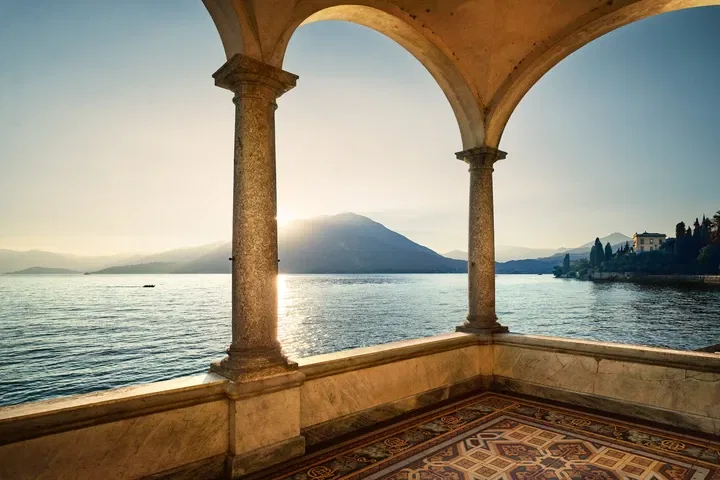
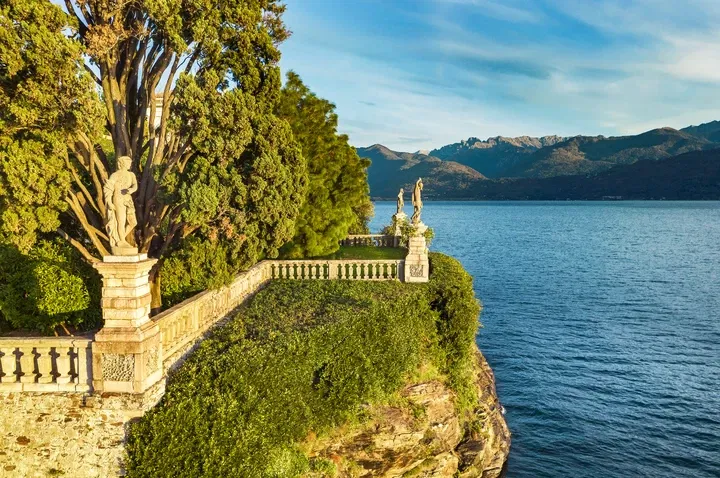
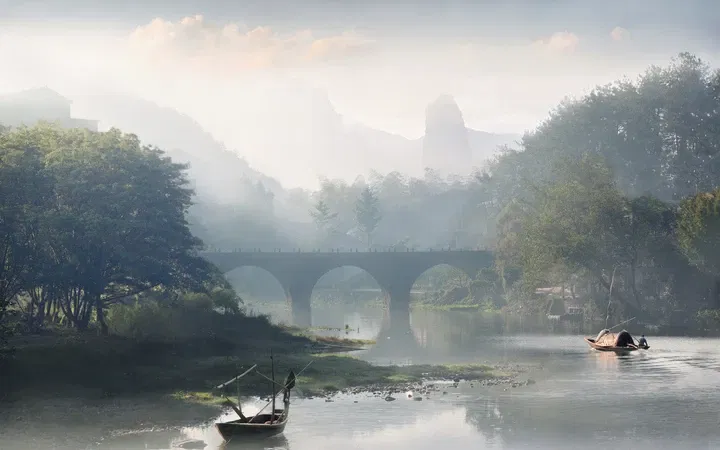
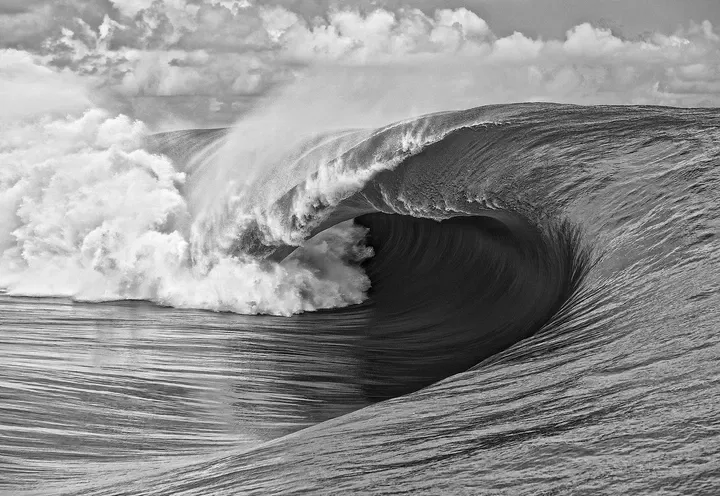
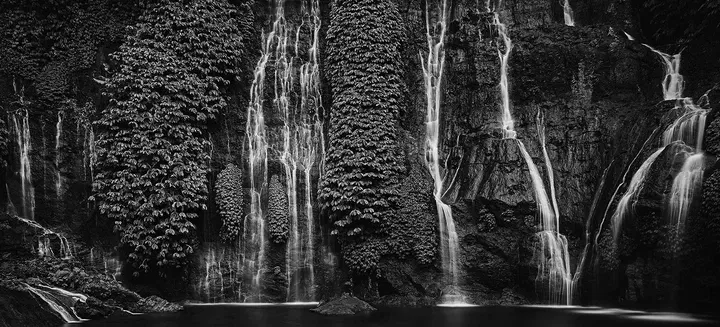
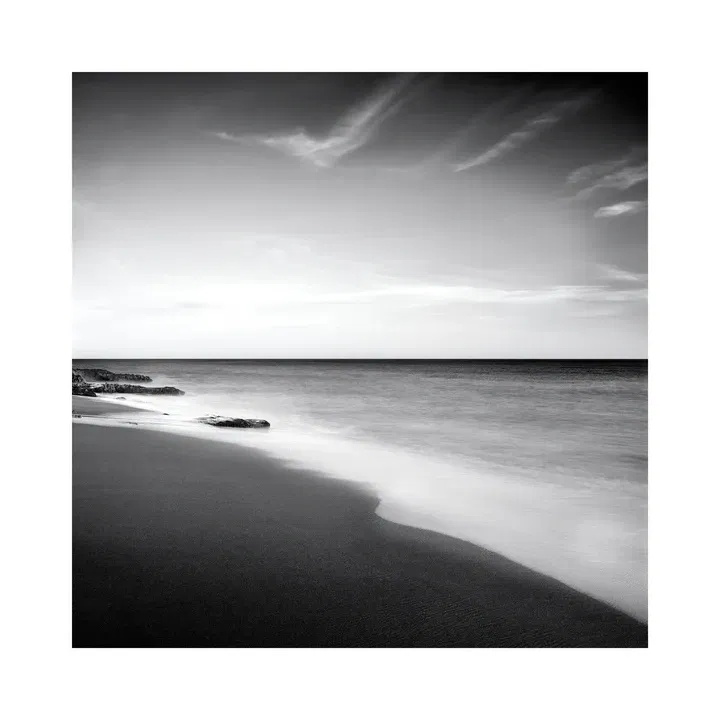
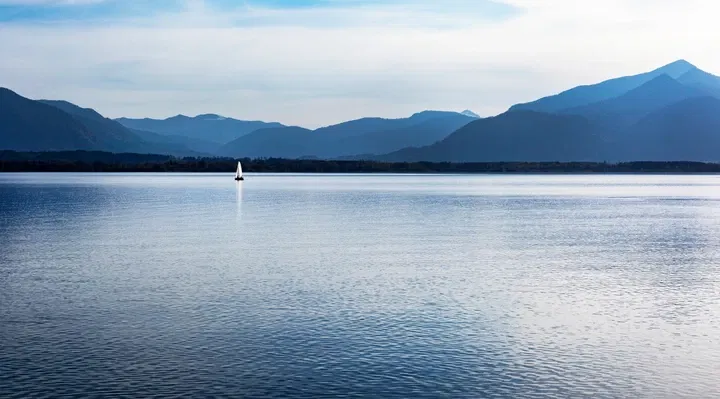
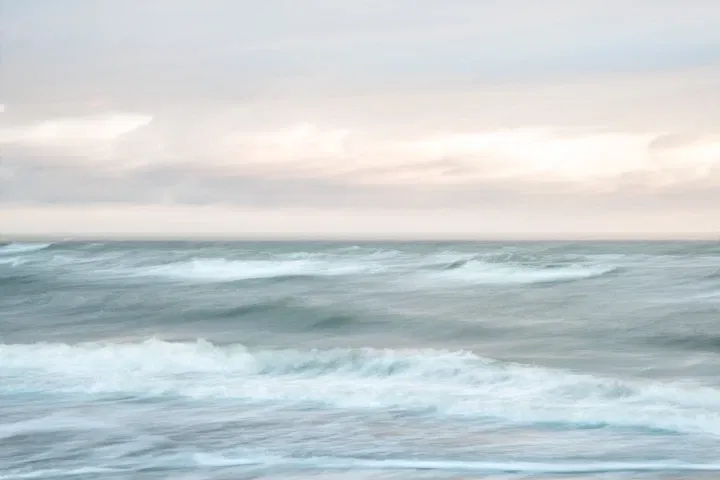
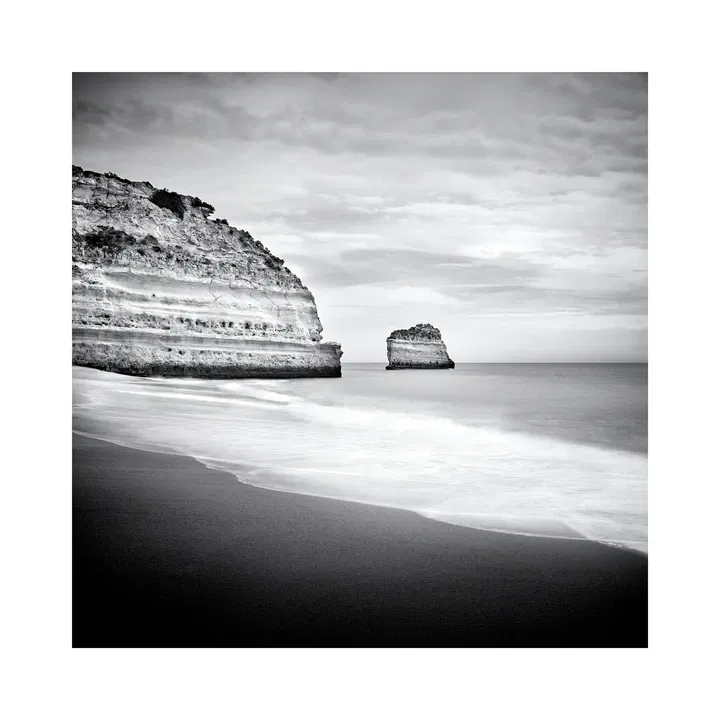
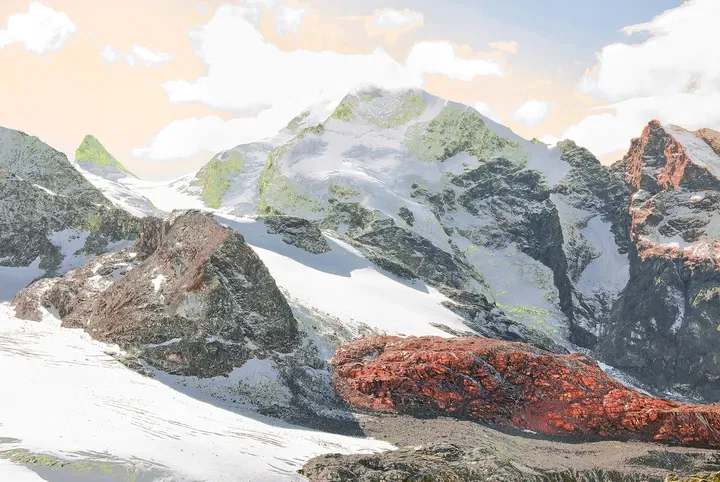
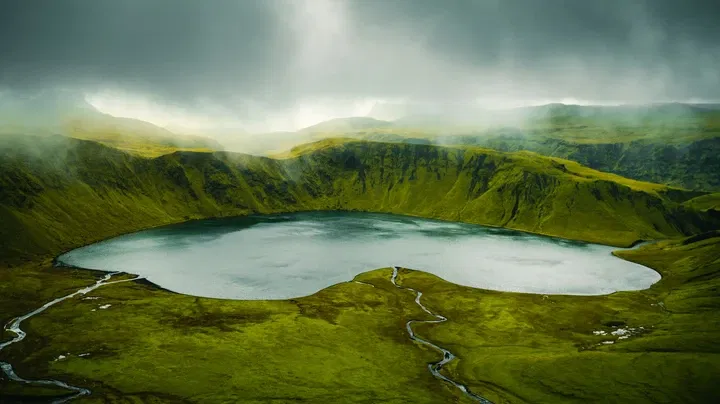
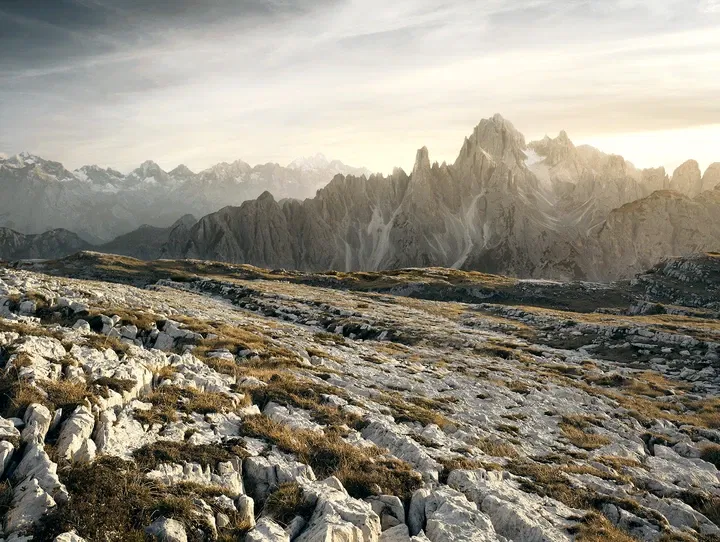
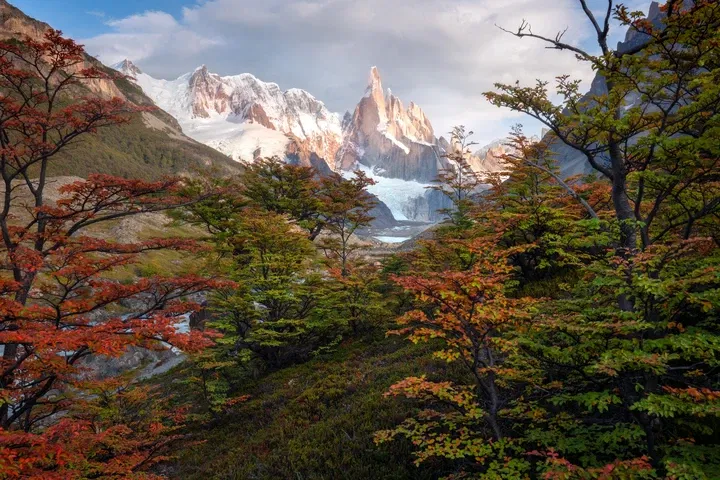
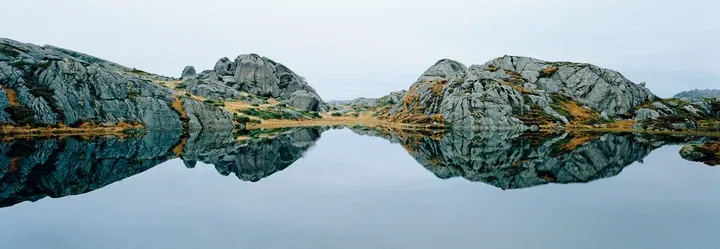
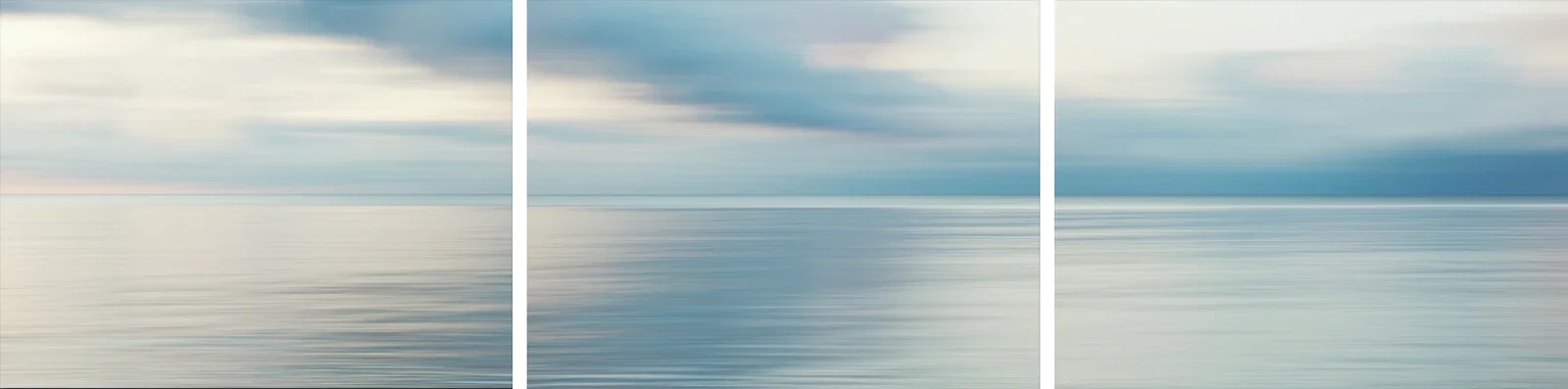
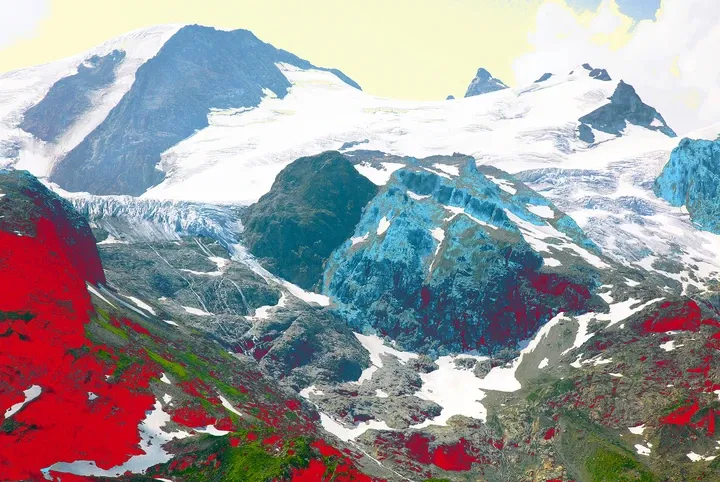
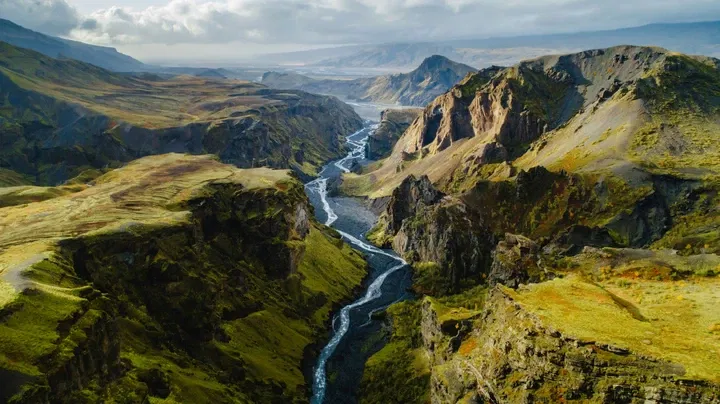
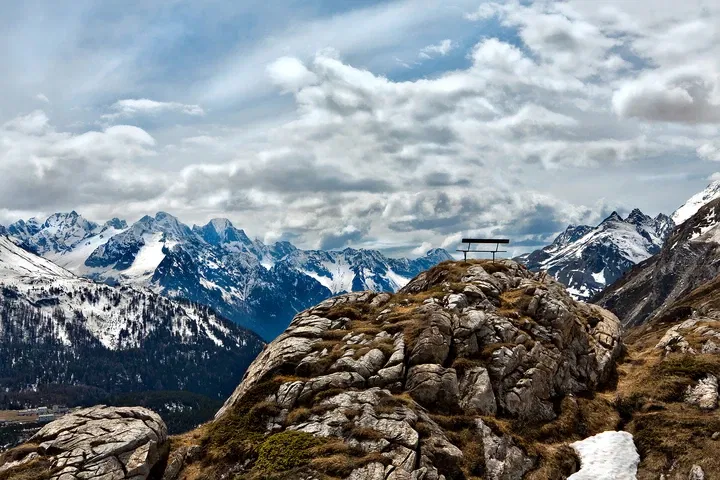
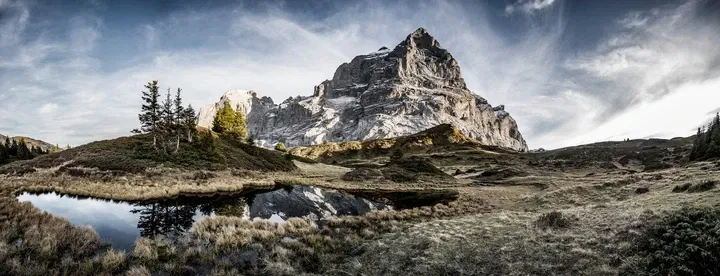
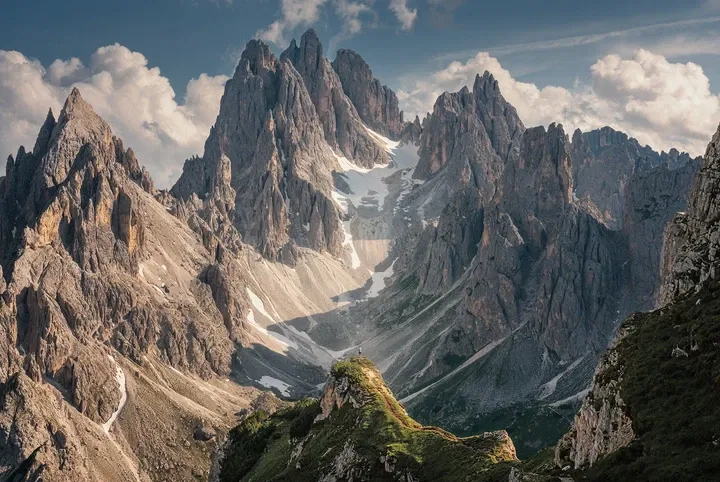
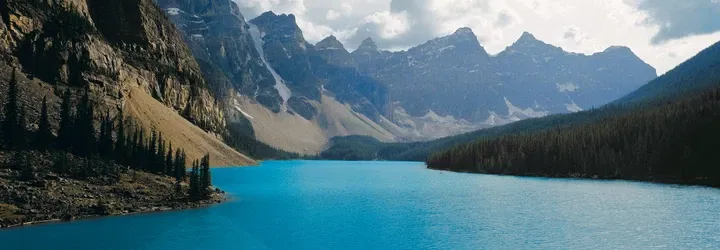
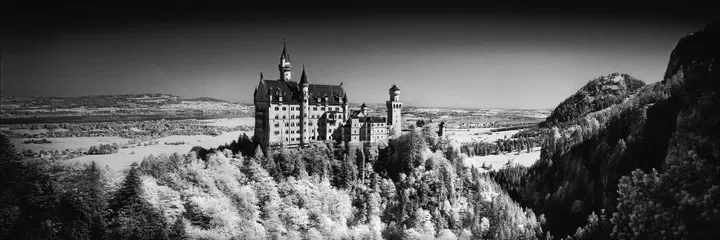
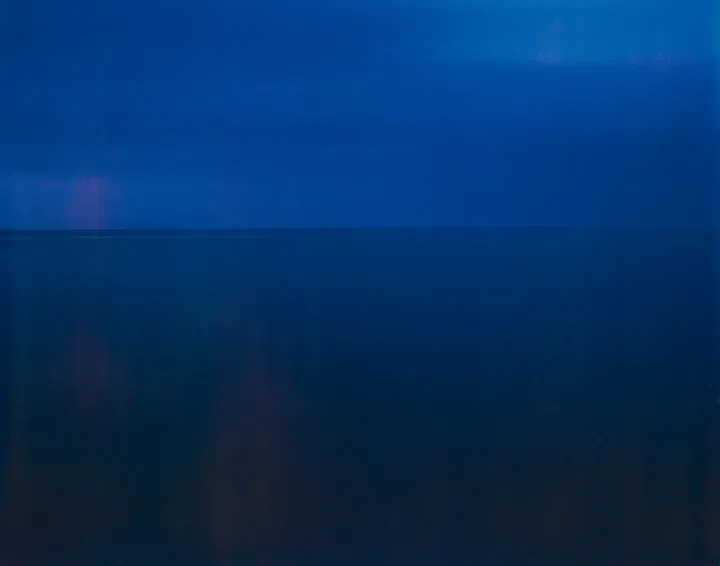
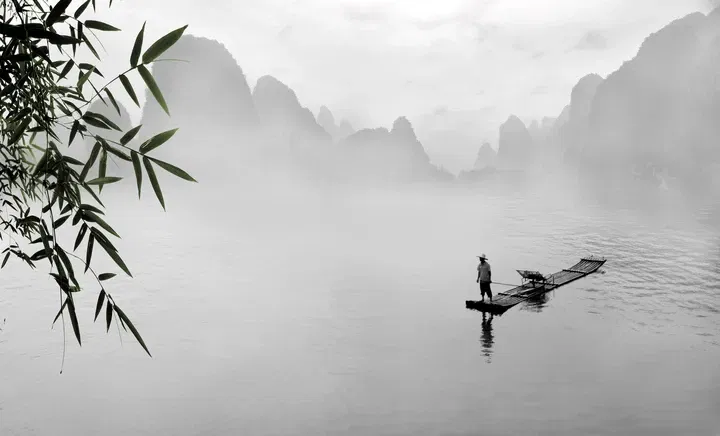
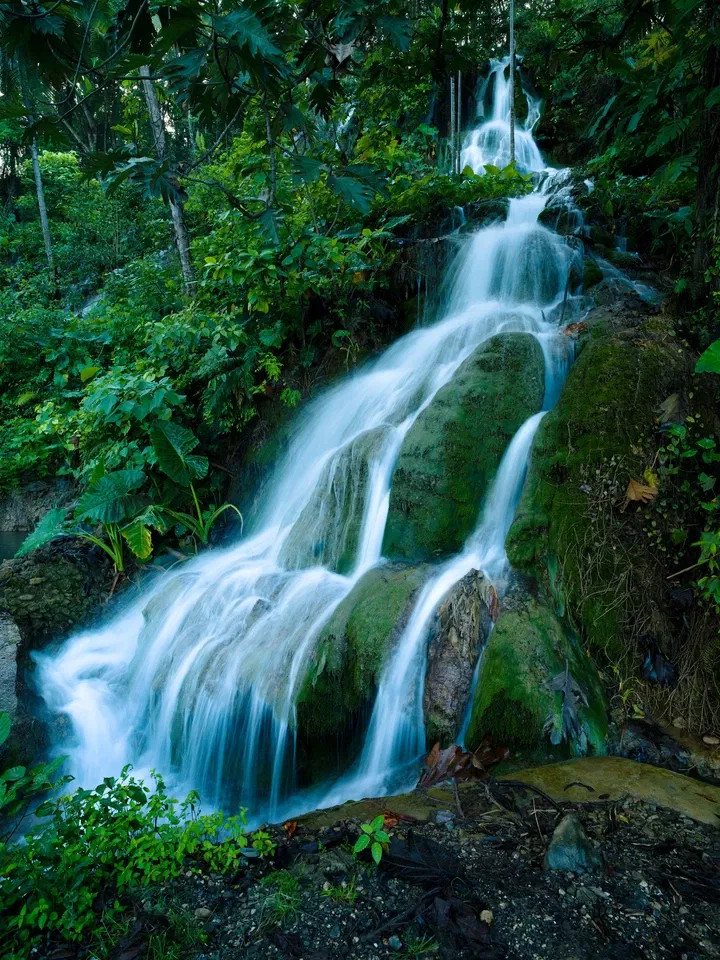
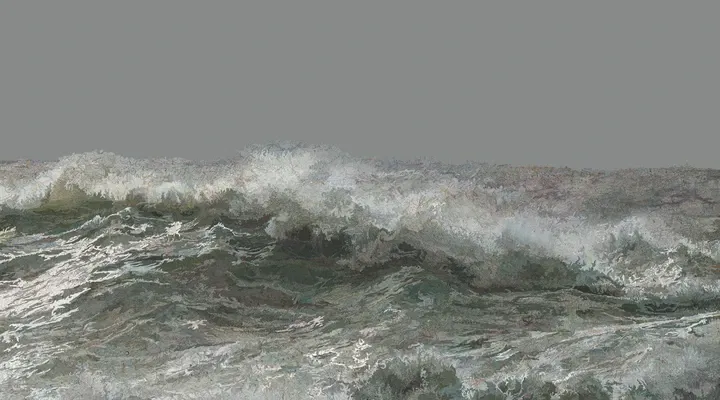
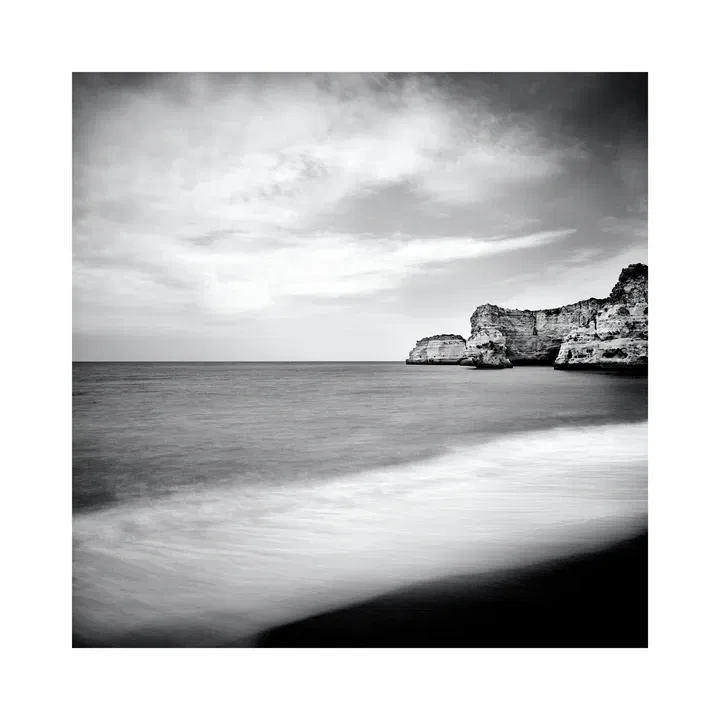
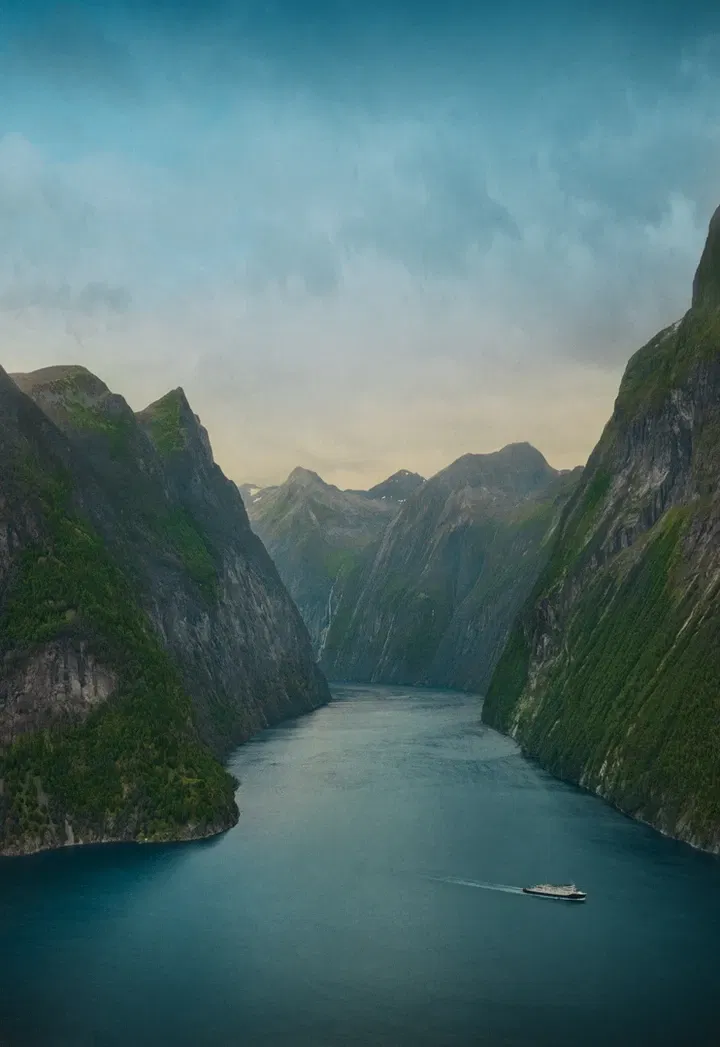
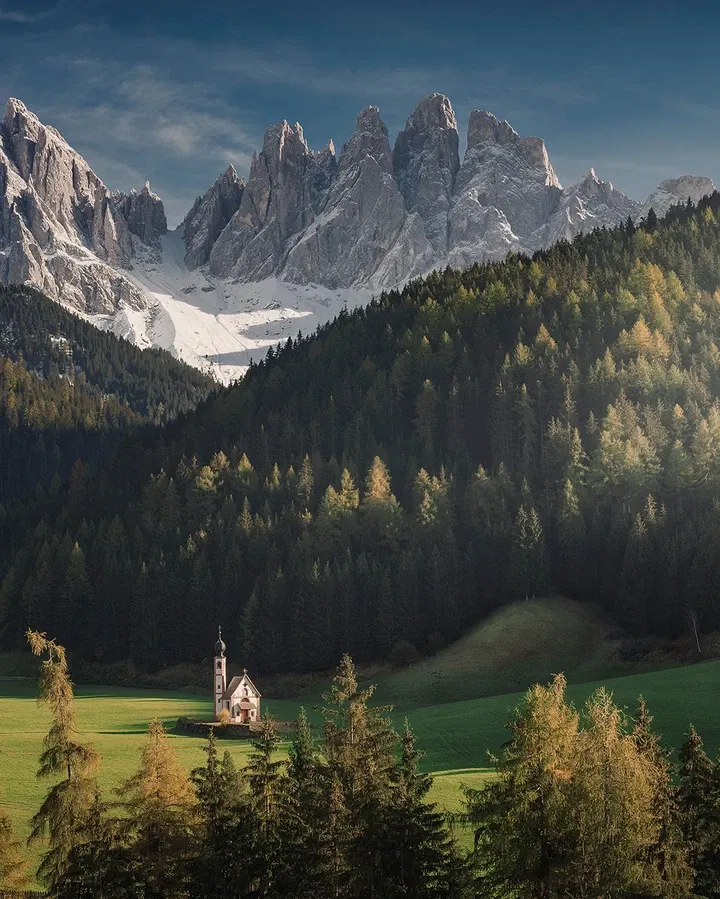
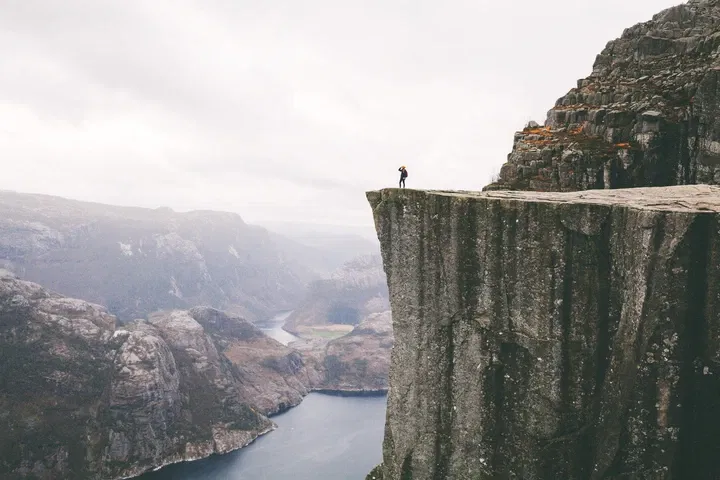
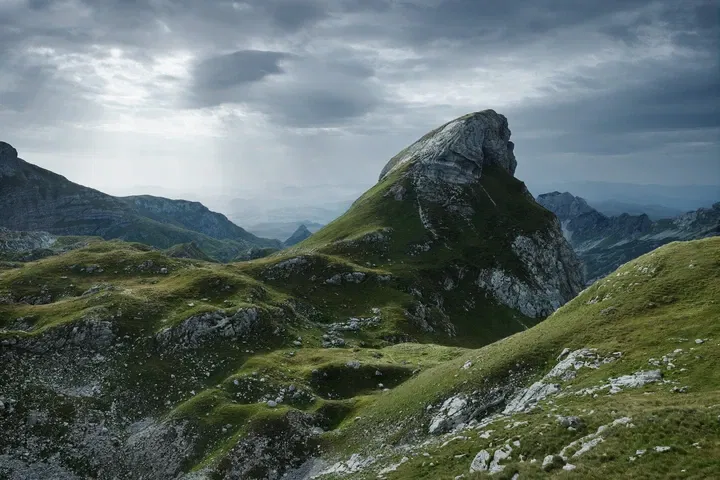
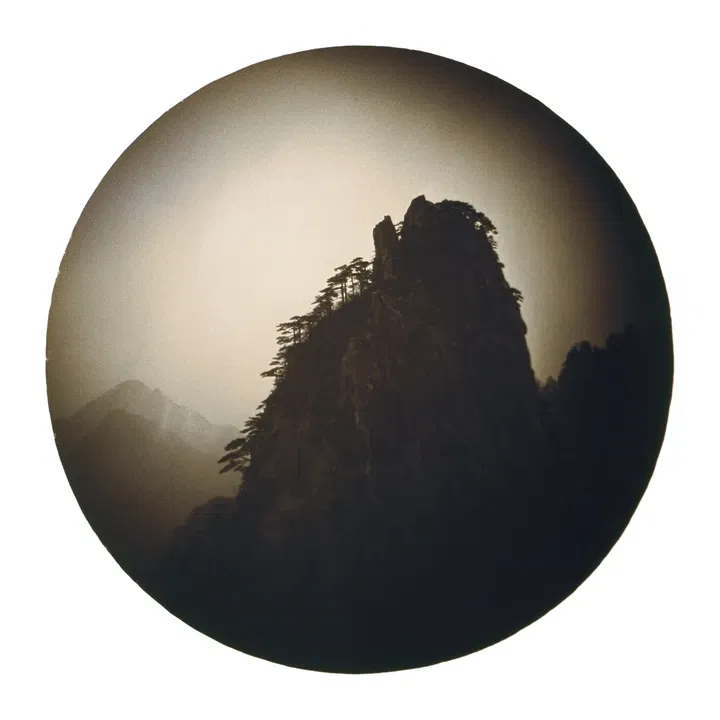
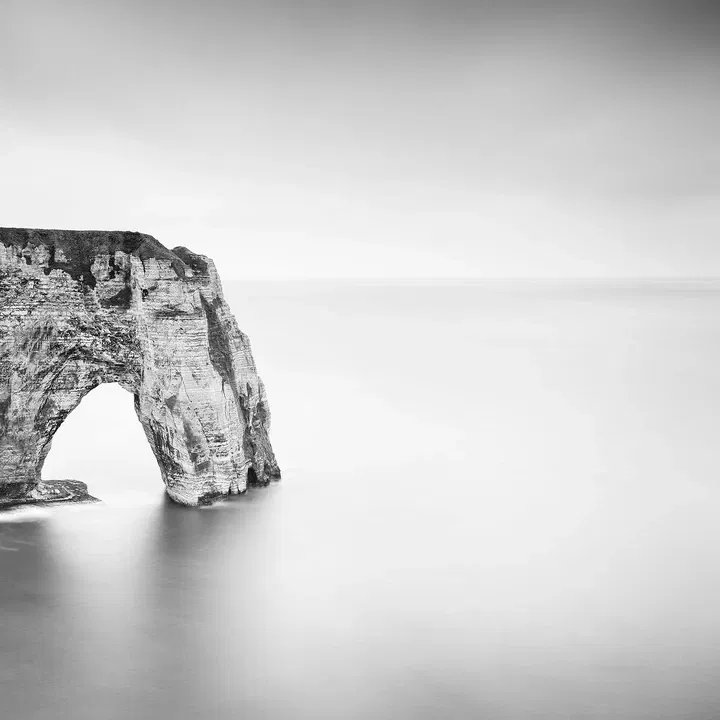
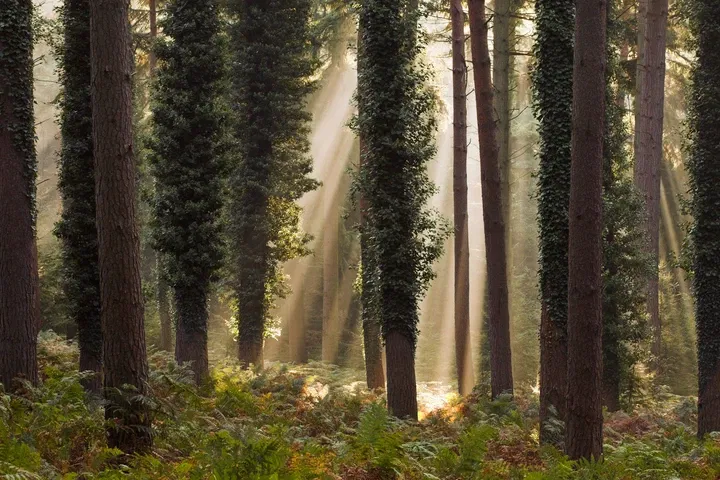
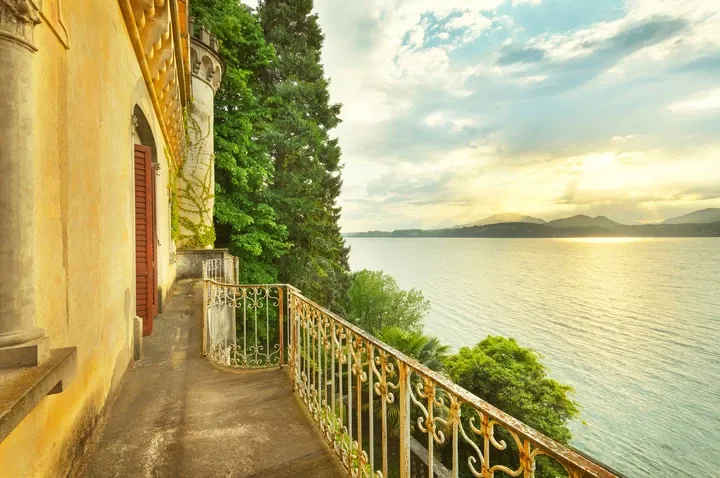
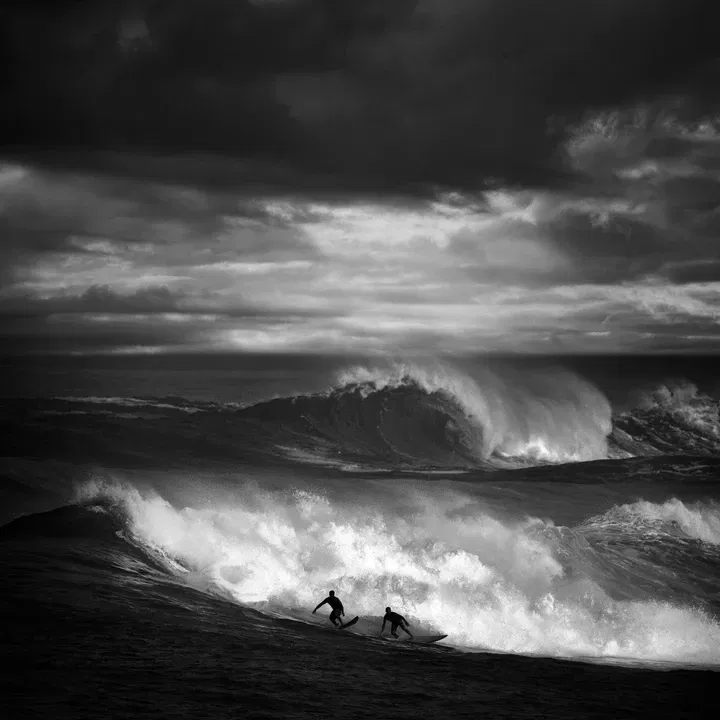
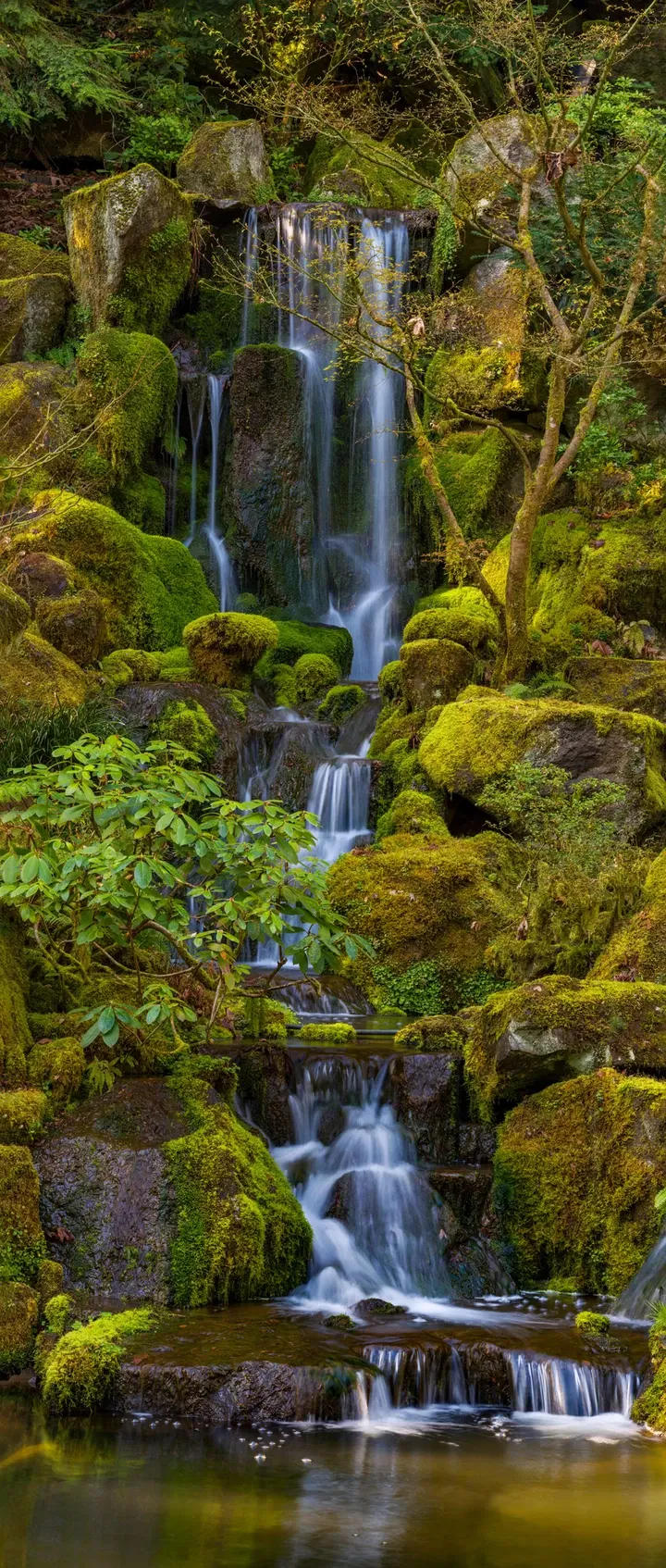
Dawn or dusk bathes enchanted forests, deep gorges, and striking rock formations in atmospheric light. Time and again, the sun reshapes expansive valleys, meadows, and fields anew: photographer Berthold Steinhilber dedicates his work to breathtaking landscapes and places of quiet inspiration. In his series Landscapes, he reveals unseen sides of Germany and the Netherlands – and in more recent works, expands this gaze to include the dramatic lines of alpine mountain passes and the powerful stillness of Nordic nature.
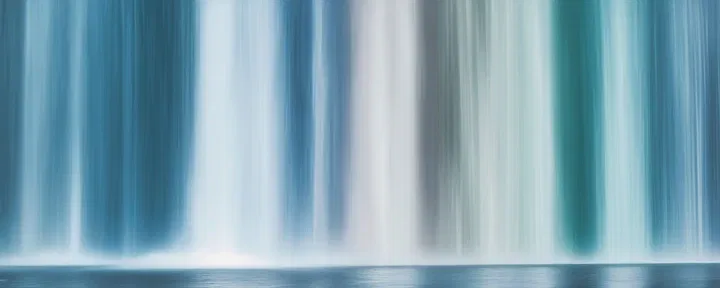
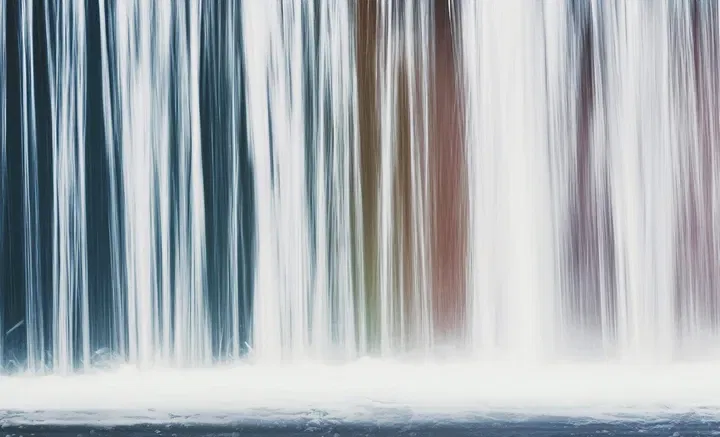
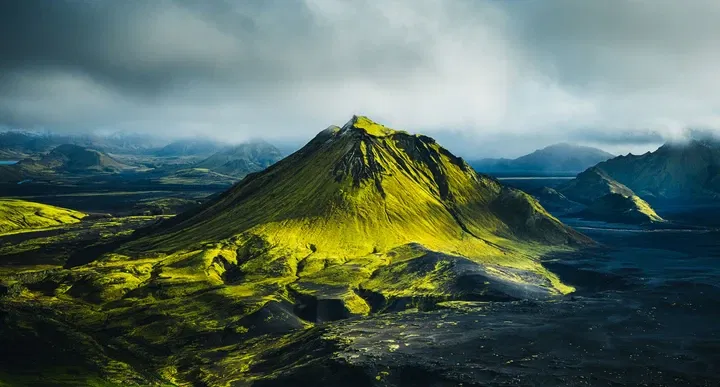
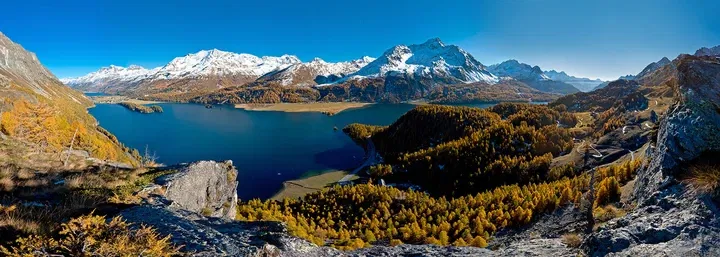
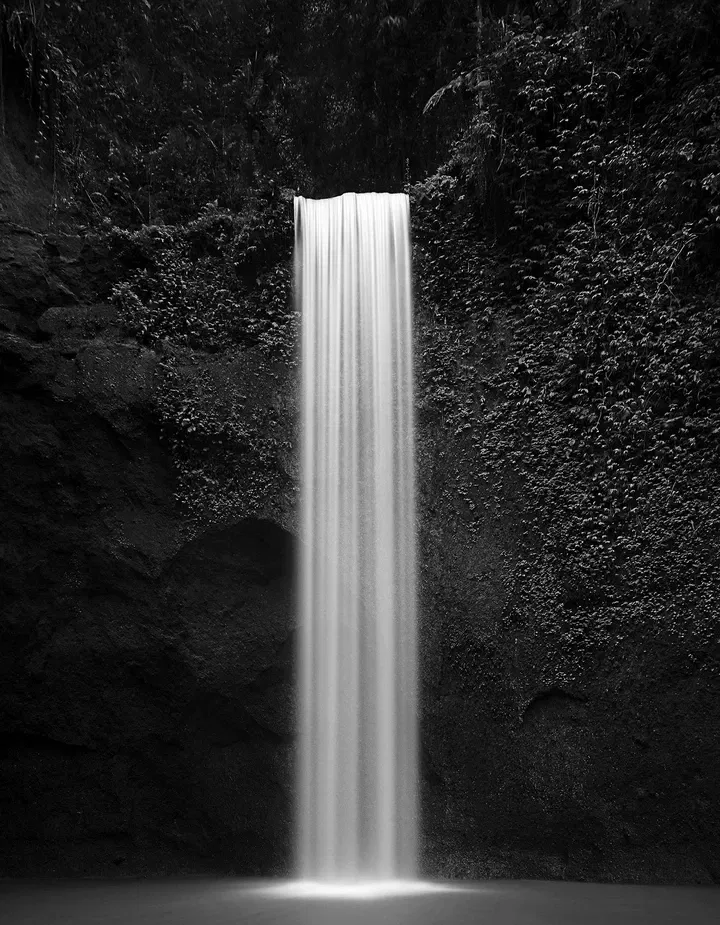
His compositions capture airy heights and endless horizons: sometimes it's the Allgäu’s Lech Gorge glowing in seductive azure, other times the lush green hills around Lake Seealpsee. Or the viewer is drawn into the curves of serpentine roads winding through the rugged terrain of the Alps. It is nature’s dynamism that Steinhilber captures with precise intuition – also on his journeys through Iceland, where cascading waterfalls meet graphic clarity and monochromatic reduction. It is no coincidence that color – whether in its richness or intentional absence – is one of Steinhilber’s great passions.
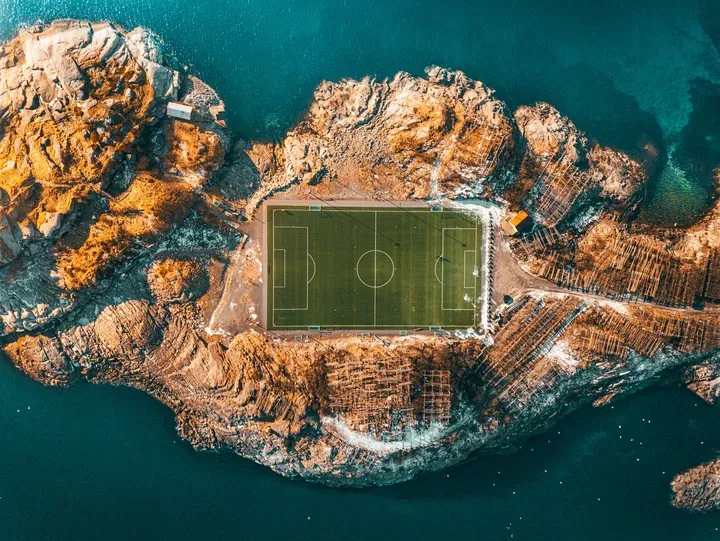
For the Stuttgart-based photographer, authenticity is central to his process. He aims to capture his subjects as if staged by nature itself. His photographs are both exacting and open. To achieve such unfiltered results, Berthold Steinhilber works with an ALPA camera. Again and again, he sets out to explore, studying his subjects at different times of day and in changing weather – until he finds the right light and, above all, the perfect vantage point. In each image, Steinhilber surprises with fresh perspectives, evoking a sense of near-weightlessness for the viewer.
With virtuosity, he composes images that draw you in. In the distance, delicate viaducts weave through the rock formations of Saxon Switzerland; morning mist lifts from the Elbe Sandstone Mountains to reveal a breathtaking panorama.
Steinhilber succeeds where many only aspire: translating the classical landscape motif into the present – with a visual language that is modern, atmospheric, and as pure as it is sensitive. The result is imagery of quiet intensity, holding onto fleeting moments without freezing them. Be it alpine passes, Nordic waterfalls, or native forests – his photographs transport us to places as contemplative as they are powerful.
| 2009 | World Press Photo Award |
| 2001 | BFF Young Talent Award |
| Young Talent Award – Special Prize for Photography from the German Art Directors Club | |
| 1998 | Reinhold Wolf Award |
| 1996 | Kodak Young Talent Prize |
| Reinhold Wolf Award | |
| 1995 | German Photo Prize |
| 2014 | Ghost Towns of the American West, DAZ – Deutsch-Amerikanisches-Zentrum, Stuttgart, Germany |
| 2003 | Berthold Steinhilber – Ghost Towns of the American West, Galerie Wittenbrink, Munich, Germany |
| 2014 | Jenseits der Ansichtskarte – Die Alpen in der Fotografie, Vorarlberg Museum, Bregenz, Austria |
| 2013 | Jenseits der Ansichtskarte – Die Alpen in der Fotografie, Galerie Stihl, Waiblingen, Germany |
| 2012 | Passio und Compassio – Vom Leben und Sterben der Heiligen, Galerie der Stadt, Backnang, Germany |
| 2011 | Blues für den blauen Planeten – Gemeinschaftsausstellung des BFF, Haus der Wirtschaft, Stuttgart, Germany |
| 2010 | Fotosommer Stuttgart – Fokus 0711, Württembergischer Kunstverein, Stuttgart Germany |
| 2008 | Bilderberg – Fotografie ist Kommunikation, Galerie im Medienhaven, Bremen, Germany |
| 2005 | Fokus 0711, Württembergischer Kunstverein, Stuttgart, Germany |
| Lightworks, Kunstverein Neckar-Odenwald, Mosbach, Germany |